Ljubljana, Lake Bled and Bohinj: Slovenia Travel Guide
Ljubljana, Slovenia
Ljubljana is Slovenia’s capital and largest city. One October, we based ourselves here for a wide-ranging trip around Slovenia with dear friends. In a country this green, autumn colours and clear lakes make the season especially beautiful. We constantly saw people hiking, cycling and canoeing in nature, while winter brings skiing in several parts of Slovenia.
Central Ljubljana feels like a fairy-tale city: a castle above the rooftops, the Ljubljanica River flowing through its heart and dragons appearing on everything from flags to bridges. Its lively social scene, excellent café service, music spilling into the streets and surprisingly modern graffiti make this historic city enormously enjoyable.
Central Ljubljana feels like a fairy-tale city: a castle above the rooftops, the Ljubljanica River flowing through its heart and dragons appearing on everything from flags to bridges. Its lively social scene, excellent café service, music spilling into the streets and surprisingly modern graffiti make this historic city enormously enjoyable.
THINGS TO DO IN LJUBLJANA
Ljubljana is a compact, art-filled university city where it is easy to have a wonderful time. Architect Jože Plečnik shaped many of its defining public spaces; his works in Ljubljana were inscribed on the UNESCO World Heritage List in 2021. You can see the historic centre in a day, but we recommend at least three days if you also want time for the city’s cafés, nightlife and nearby lakes.
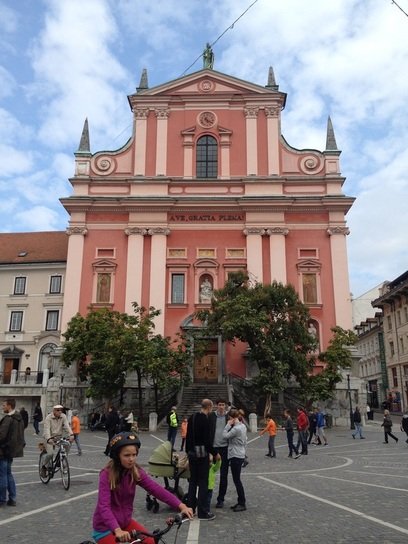
Prešeren Square forms the heart of the historic centre. Young people often meet here, and musicians regularly perform near the steps of the Franciscan Church of the Annunciation. The square also contains a statue of the poet France Prešeren, who wrote Zdravljica; its seventh stanza became Slovenia’s national anthem.
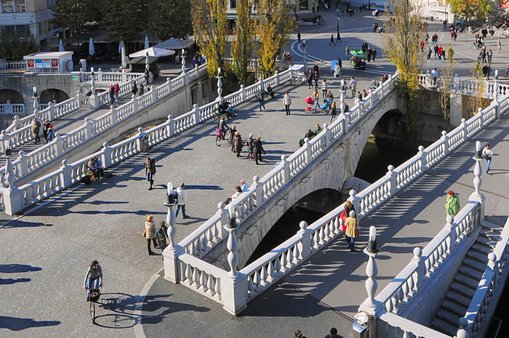
Tromostovje—the Triple Bridge—stands beside Prešeren Square and is one of Ljubljana’s landmarks. The central stone bridge dates from 1842; Plečnik added two pedestrian side bridges between 1929 and 1932. Illuminated at night, the bridges lead naturally towards the cafés and bars lining the river.
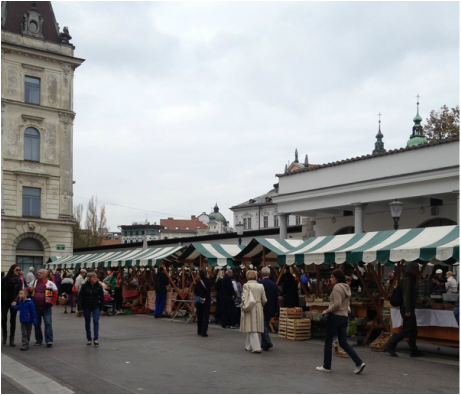
Vodnik Square sits beside Ljubljana Central Market. The original article confused the buildings here: Plečnik designed the riverside market colonnade, not Ljubljana Town Hall. Stalls sell fruit, vegetables, flowers and local products, while the covered market offers foods such as cheese, bread, meat and fish. Opening days and hours vary, so check the current market schedule.
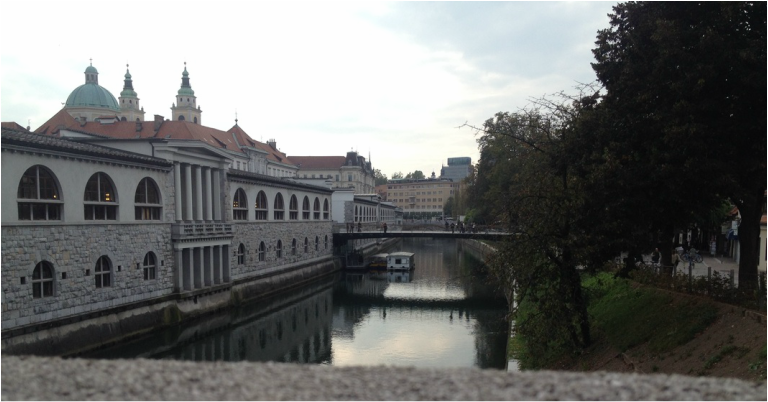
The Ljubljanica River flows through the centre of Ljubljana, lined with cafés and bars. Sightseeing boats also operate on the river, with schedules depending on the season and water conditions.
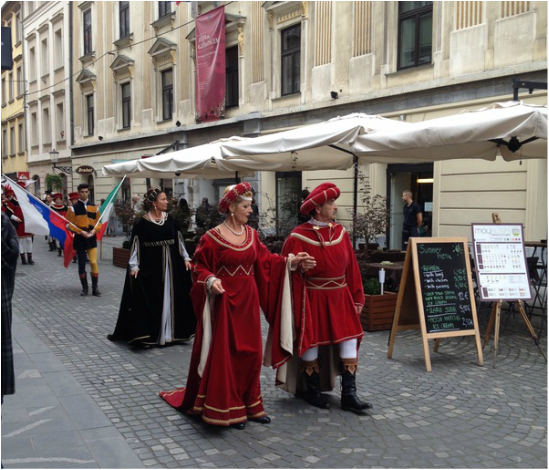
Stari Trg, or Old Square, is one of the atmospheric streets running through the old town near the Ljubljanica, busy with shops and cafés. A medieval festival and procession were taking place when we visited.
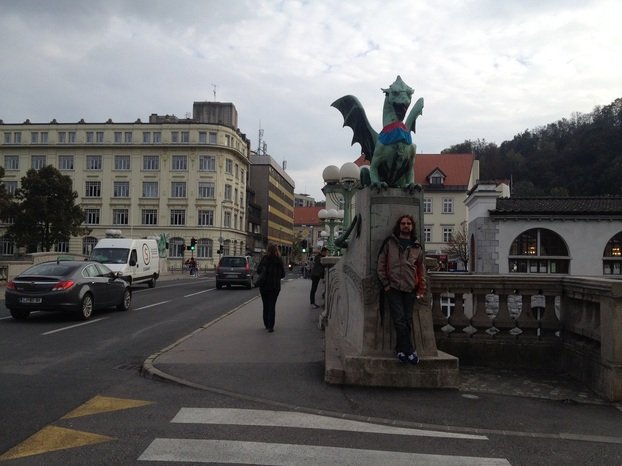
The Dragon Bridge is the city’s most famous dragon-covered bridge. A playful local legend says that the dragons at its four corners wag their tails when a virgin crosses—an unlikely event, the joke adds, though modern retellings usually leave age out of it.
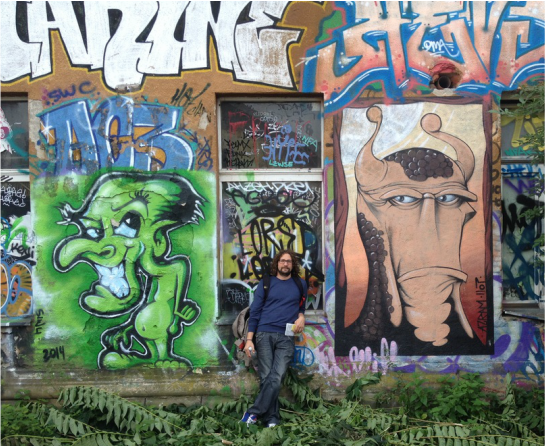
For us, the city’s most striking area was Metelkova. After crossing Dragon Bridge, we walked towards Metelkova along Vidovdanska Street. Entering the former military-barracks complex felt like discovering a hidden film set. We spent several hours photographing monumental graffiti, mosaics and eerie sculptures assembled from wood and scrap materials. The Museum of Contemporary Art Metelkova and the Slovene Ethnographic Museum are nearby. So are second-hand shops, cafés and hostels. Metelkova remains an autonomous cultural centre and nightlife venue, but it is a real community rather than just a tourist backdrop; respect events, residents and photography boundaries.
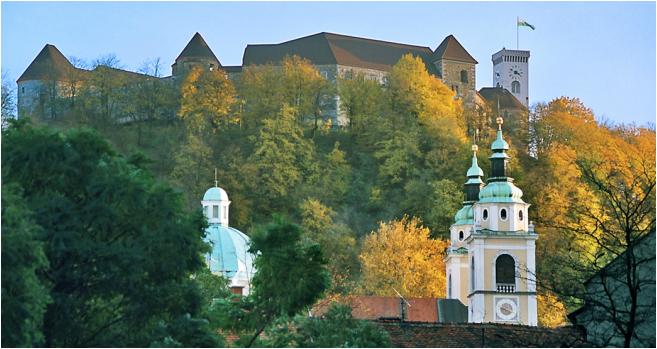
Ljubljana Castle stands on a hill immediately above the old town and offers broad city views. Walking through parts of the courtyard is free, while the viewing tower, exhibitions and other attractions require a ticket. We took transport up from the old town; the €3 ‘little train’ fare in the original article is historical. As of August 2026, the official combined adult castle ticket with a return funicular ride is €19. The glass funicular takes about one minute; check the official castle site for current individual fares and hours.
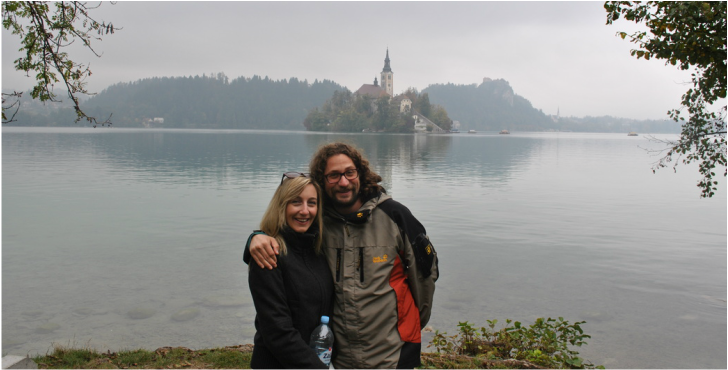
Near Ljubljana, Lake Bled is Slovenia’s most famous lake and looks almost painted into the landscape. Traditional pletna boats carry passengers to the island. The €12 fare in our original notes is no longer current: the official Bled information listed a €20 adult return trip in August 2026, with departures generally waiting until the boat fills. The claim that a single family controls every pletna is also unverified; the craft is traditionally passed between local boatmen. You can alternatively rent a rowing boat. Prices, hours and weather operations can change.
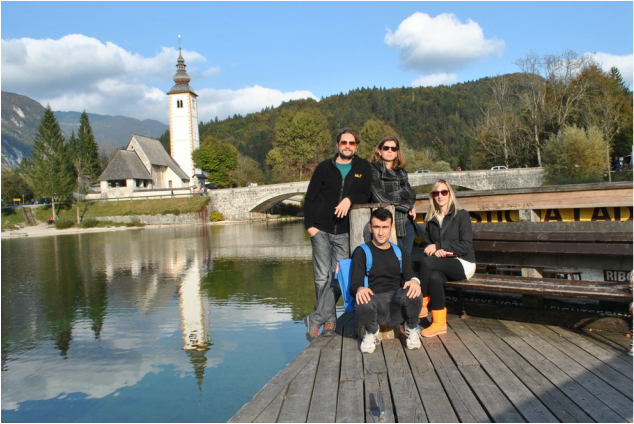
Triglav National Park surrounds much of Lake Bohinj, Slovenia’s largest natural permanent lake, and the scenery looks straight from a postcard. This corrects the original reference to ‘Tivoli National Park’: Tivoli is Ljubljana’s city park, not a national park near Bohinj. The medieval Church of St John the Baptist, wooden Alpine buildings and steep mountain backdrop complete the scene. We lost track of time watching the water from the bridge.
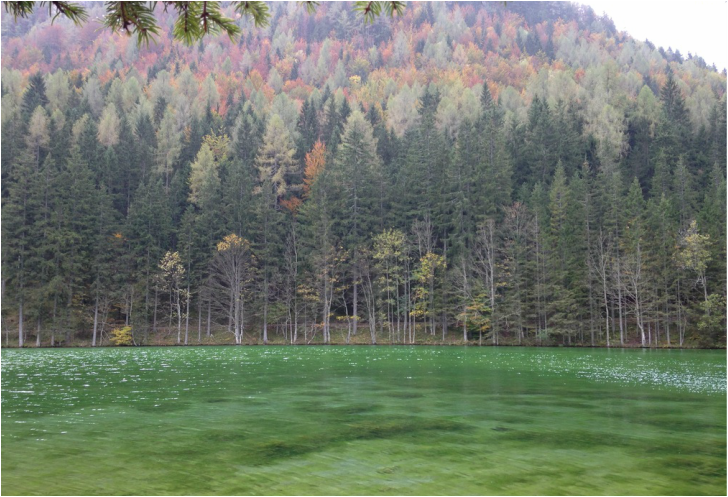
Roughly an hour to an hour and a half from Ljubljana by road, depending on traffic, Planšarsko Jezero is much smaller than Bled or Bohinj but deeply atmospheric. Its green water and the red trees on the opposite hillside looked especially vivid in the rain. We bought hot chocolate at the lakeside restaurant and absorbed every shade of green from a wooden bench. The original ‘40 minutes from Ljubljana’ was too optimistic for normal driving conditions.
WHAT TO EAT IN LJUBLJANA
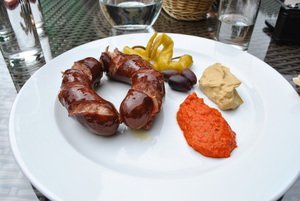
One food worth trying in Ljubljana is Kranjska klobasa, the protected Slovenian Carniolan sausage. It is served boiled or grilled, often in whole or half portions. We tried it at Klobasarna (Ciril-Metodov trg 15) and were very happy with it. Restaurant status, addresses and menus can change, so verify them before making a special trip.
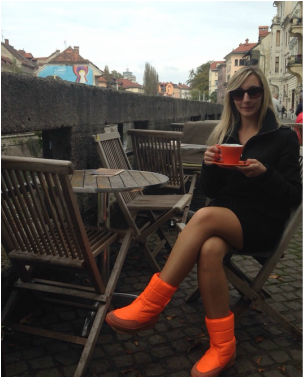 | 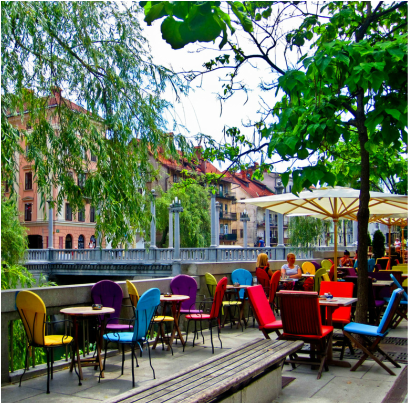 |
Every café beside the river is tempting, but we especially liked TOZD (Gallusovo nabrežje 27). Both the interior and coffee were excellent during our visit; check its present hours and location.
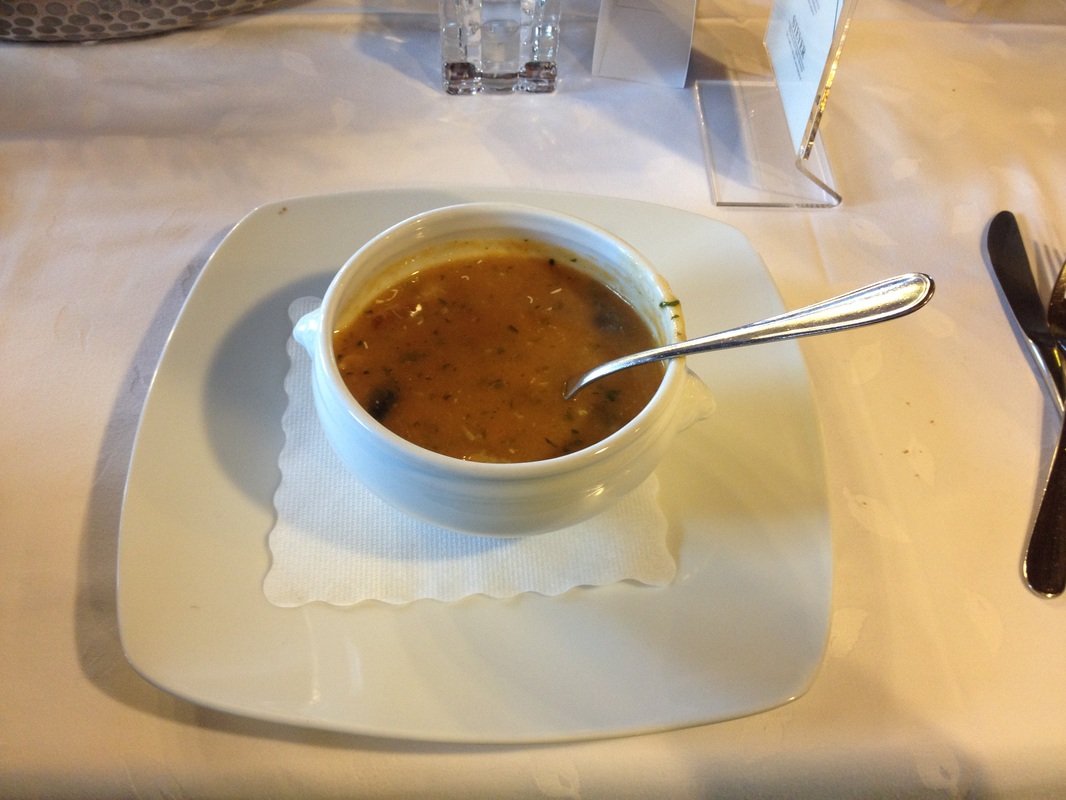 | 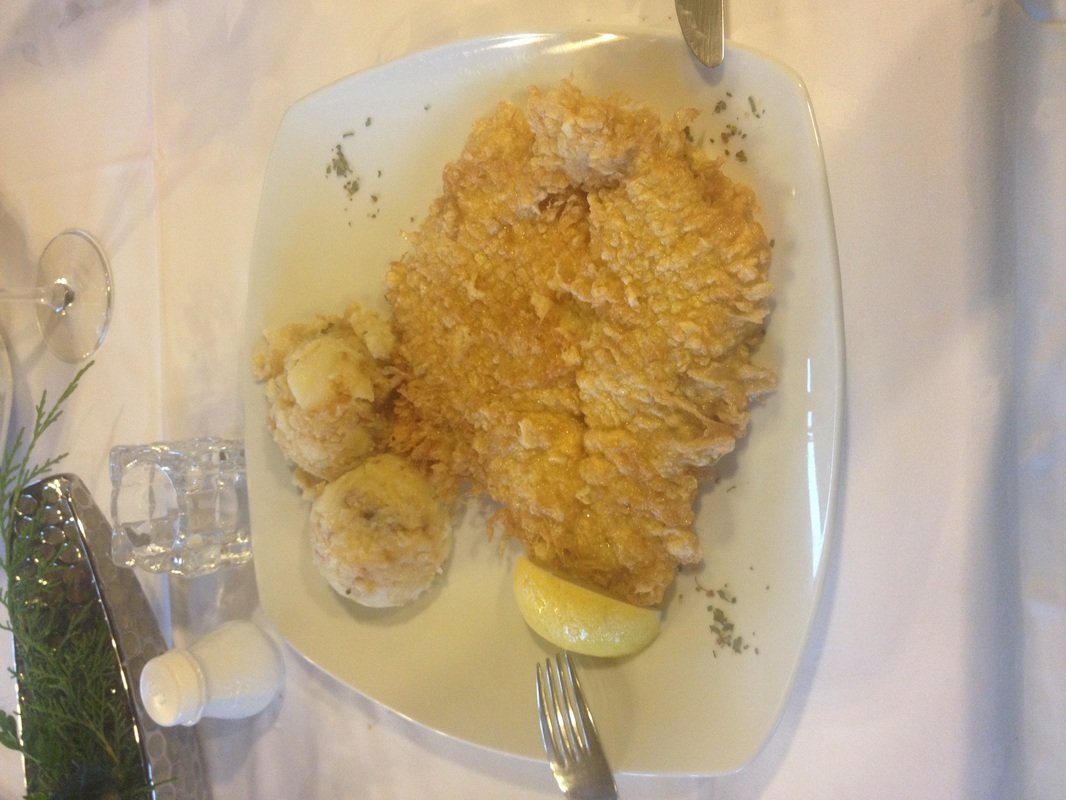 |
A little outside the centre, Gostilna Ančka (Delavska cesta 18) served excellent food despite prices that felt slightly high at the time. We particularly enjoyed the broth and schnitzel, as well as a dough-based speciality available in sweet or cheese-filled versions. For something then more affordable, Harambaša (Vrtna ulica 8) was a very local restaurant with excellent ćevapi. These are memories from our trip, not guarantees that either restaurant still operates unchanged; confirm current details first.
WHERE TO STAY IN LJUBLJANA
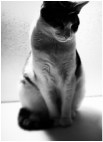
On this trip we stayed in the very central home of friends of our travelling companions, together with their wonderful cat Yorki. If you need accommodation, compare recent guest reviews and current prices among Ljubljana hotels; the historic centre is convenient for a short first visit, while areas just outside it can offer better value.
WHAT TO BUY IN LJUBLJANA
Slovenia has a strong beekeeping tradition, and honey makes a fitting souvenir. We brought home vanilla-and-cinnamon honey that was perfect with tea; many other varieties were available. We also found magnets based on painted beehive panels, a distinctive Slovenian folk-art tradition. Check customs rules before carrying honey across borders. Destination facts and prices were checked against Visit Ljubljana, Ljubljana Castle, Bled and Bohinj official sources in August 2026.
If You Have Upcoming Travel Plans...
When you make a purchase by clicking our links, we get to earn a small commission but you still pay the same price. So, it's a win-win for everyone!

Book hotels via Booking.com | 
Find Cheap Flights via Skyscanner | 
Get a Travel Insurance via World Nomads | 
Make International Money Transfer via Wise |

Book Tours & Attractions via Getyourguide | 
Book a Cruise | 
Book Bus/Ferry/Train/Transfer via 12goAsia | 
Find free accommodation in exchange for petsitting |