HOW I ENTERED THE UNITED STATES WITHOUT THE PASSPORT CONTAINING MY US VISA
Just after our wedding at the end of May, our family planned a trip to Canada for my dear sister’s graduation. Since we had travelled that far, naturally we decided to squeeze New York into the itinerary as well. Gökay, my sister and I already had US visas, and my parents had obtained theirs without difficulty a few months before the trip.
Our İzmir–Montreal flights had been bought at a very good price through turna.com, all our hotel reservations along the route were arranged and even the car was booked. Although our wedding preparations had actually been fairly easy, a huge weight had lifted from our shoulders, and this Canada and United States trip one week after the wedding promised to be exactly what we needed.
On the morning of 3 June 2017, we picked up our suitcases, locked the door and reached Montreal comfortably via London. I say ‘without a problem’, although we discovered at Montreal Airport that my father’s suitcase had gone missing, which caused considerable stress—but that belongs in our Montreal story. Our five-night stay was delightful, and the weather seemed to cycle through every season from spring to winter. Just when everything appeared perfectly organised, near the end of our fourth night I suddenly remembered that I had left my old passport—the one containing my valid US visa—at home. The day before our flight, fear of flying had made me anxious, and I had taken half a prescribed Xanax to calm down. Whatever went wrong happened after that: although I normally pack in half an hour, I spent four or five hours watching television while packing and forgot one of the most important things for the trip—my US visa.
After a brief ‘No, this cannot be happening’ moment, I thought of my dear cousin Sezin in İzmir. I immediately called and asked her to collect our key from the building caretaker, enter our flat and send my old passport by DHL. She kindly dropped everything to rescue me and, despite the caretaker’s resistance, retrieved the passport from my drawer and sent it by DHL Express. Because we would be driving from Montreal to Toronto within a day, we addressed the shipment to one of my sister’s friends who lived in Toronto.
I felt relieved. I had made a terrible mistake, but modern logistics would surely carry an old passport sitting in a drawer in İzmir all the way to Toronto within two days. On the sixth day of our trip, we collected our hire car and completed the long drive from Montreal to Toronto. We settled into our Airbnb and, at two in the morning, were drinking tea in front of the television with one eye almost closed when another alarming thought struck me: the expected delivery day was Saturday, and DHL did not provide the relevant Saturday delivery service there. We were due to enter the United States by road on Sunday via the US–Canada border at Niagara Falls.
I immediately called DHL customer service. As I feared, I eventually learned from an agent that they would not deliver it on Saturday and that, instead of reaching Toronto, my passport was inexplicably circulating somewhere in Kentucky. Sending my warmest regards to DHL—but at that moment we needed a much more immediate solution.
While wondering what to do and whom to call, I could not ignore how tragicomic the situation was. I effectively needed to say to the United States, ‘Excuse me, may I just pop over to New York? By the way, I am a Turkish citizen and left the passport containing my valid visa at home.’ I had not yet found anyone to whom I could even tell this absurd story. Once I began thinking more calmly, I tried to believe the situation was not entirely hopeless: I had a US visa valid until November 2018 and had visited the country several times before. I had my Canadian visa, a paid return ticket from Montreal to Türkiye, and—because bureaucracy and I are frequent acquaintances—digital copies of all my previous visas. I decided to take a chance: perhaps the officers could confirm my valid visa in their system and consider my complete itinerary and the family travelling with me. So I used the contact page at https://www.cbp.gov/contact and sent a hopeful message to the US side of the Rainbow Bridge crossing, chosen largely because I liked its name.
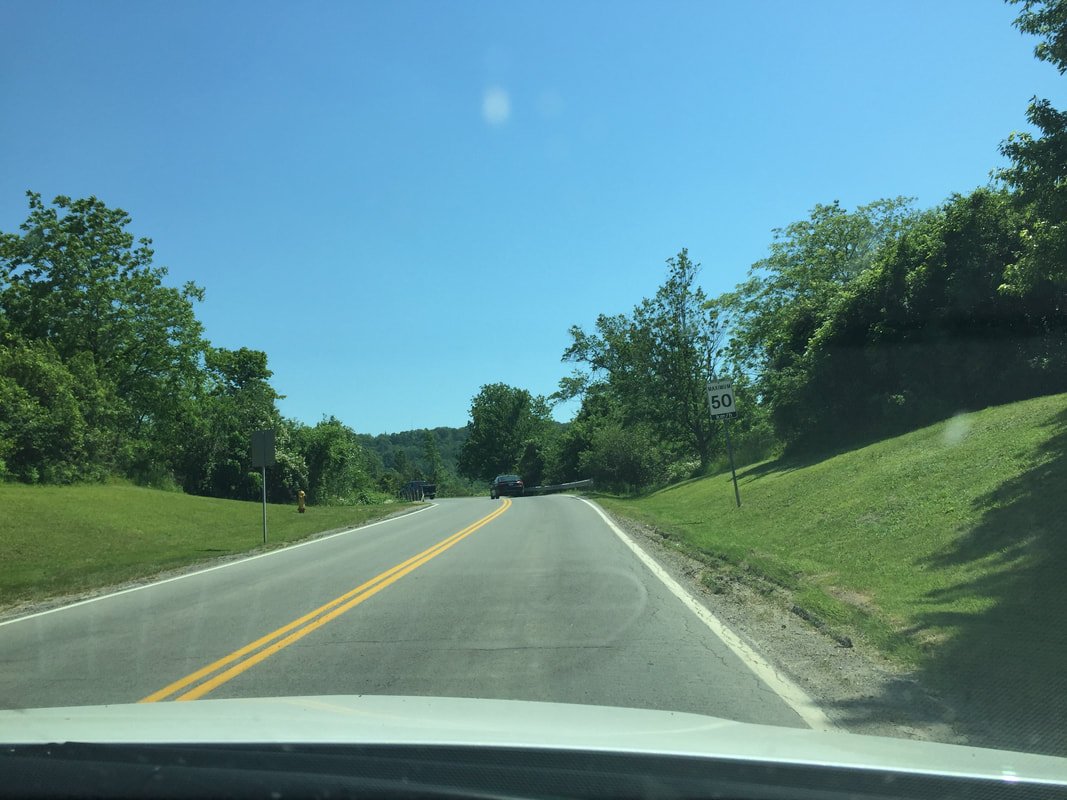
Even while anxious, we did not give up sightseeing and visited the Canadian side of Niagara Falls.
Meanwhile, a melancholy comedy played out in the house. We imagined saying goodbye at the border like characters in the Turkish film Propaganda: my parents would continue to New York, while Gökay and I would retreat to one of the gaudy casino hotels around Niagara Falls. Oddly, despite receiving no news whatsoever, my father remained convinced that the officers would let me through. But neither a telephone call nor an email arrived.
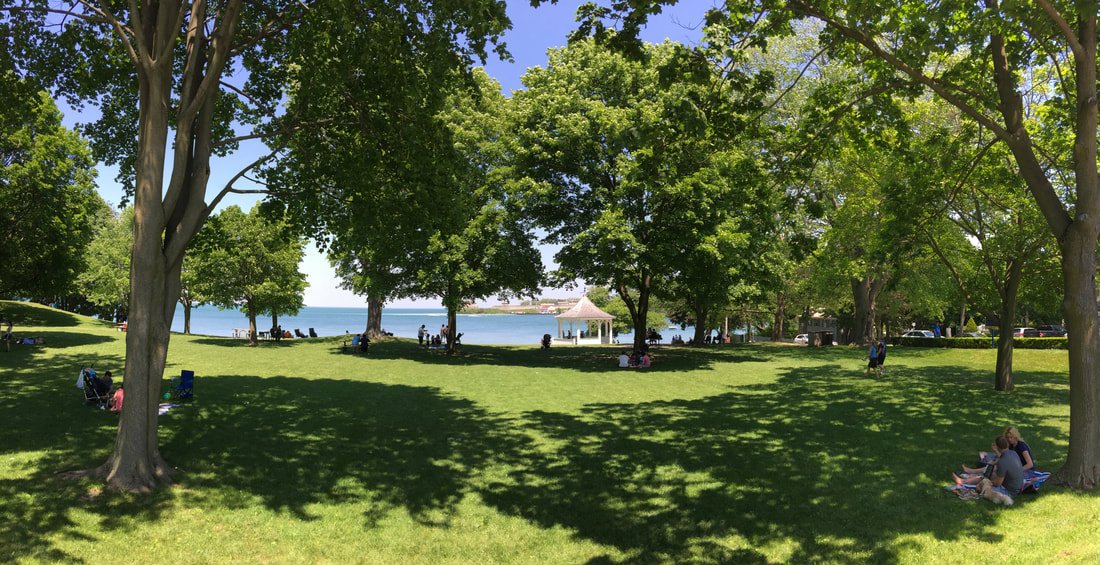
The beautiful park at Niagara-on-the-Lake. | 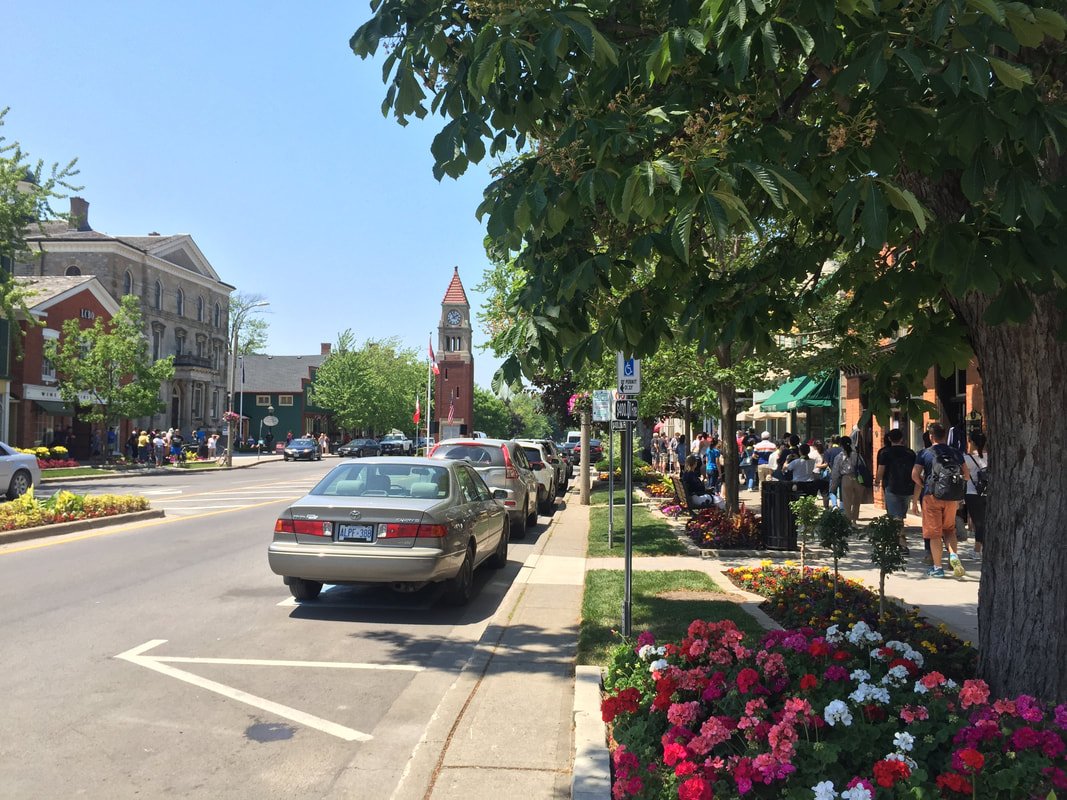
Niagara-on-the-Lake is an exceptionally charming town. |
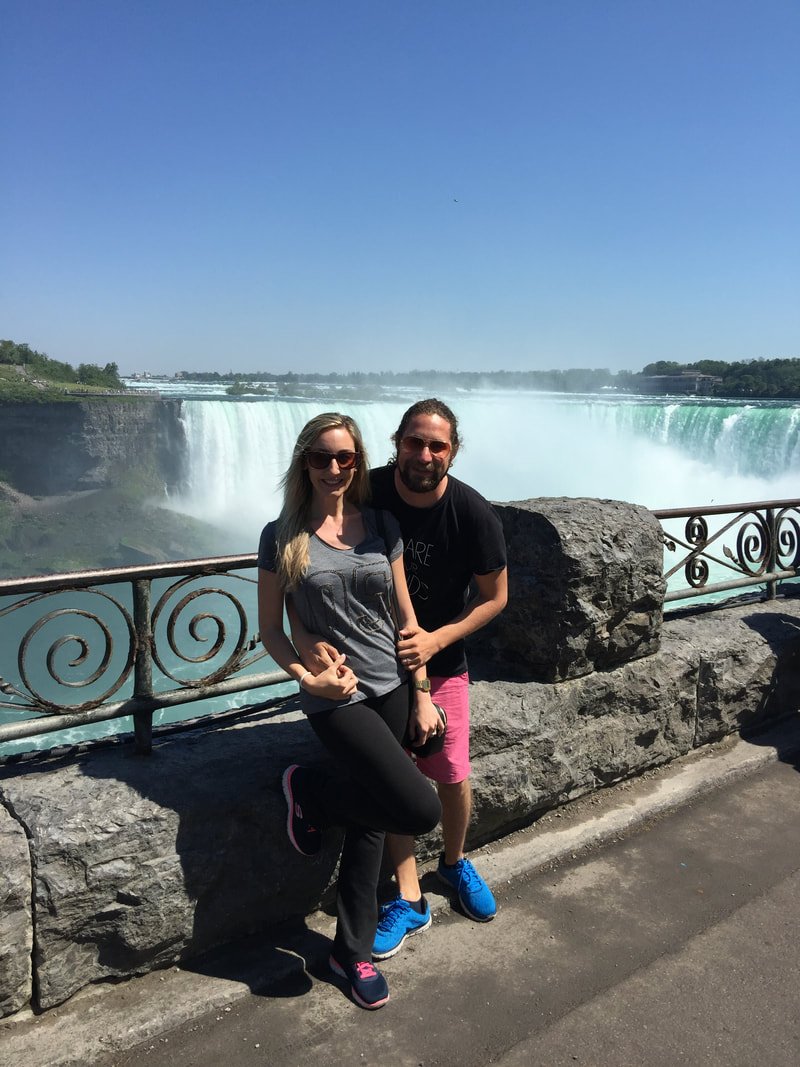
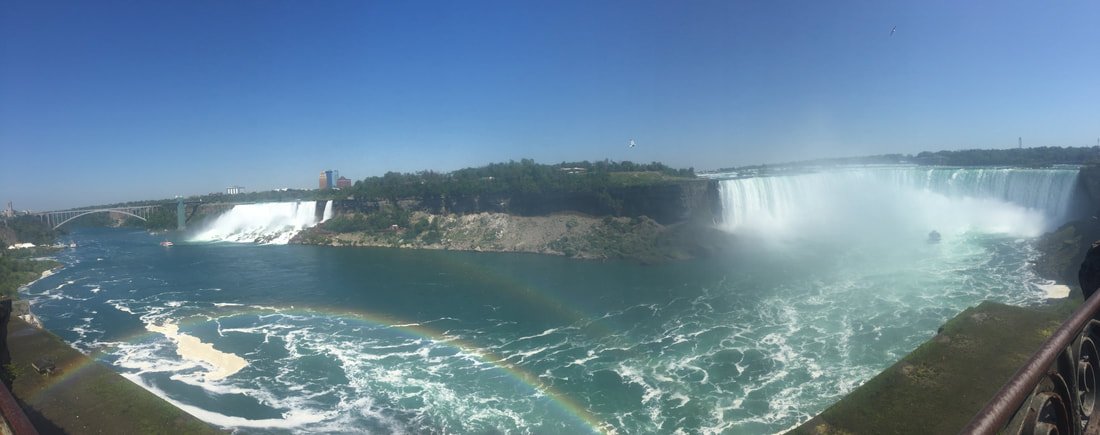
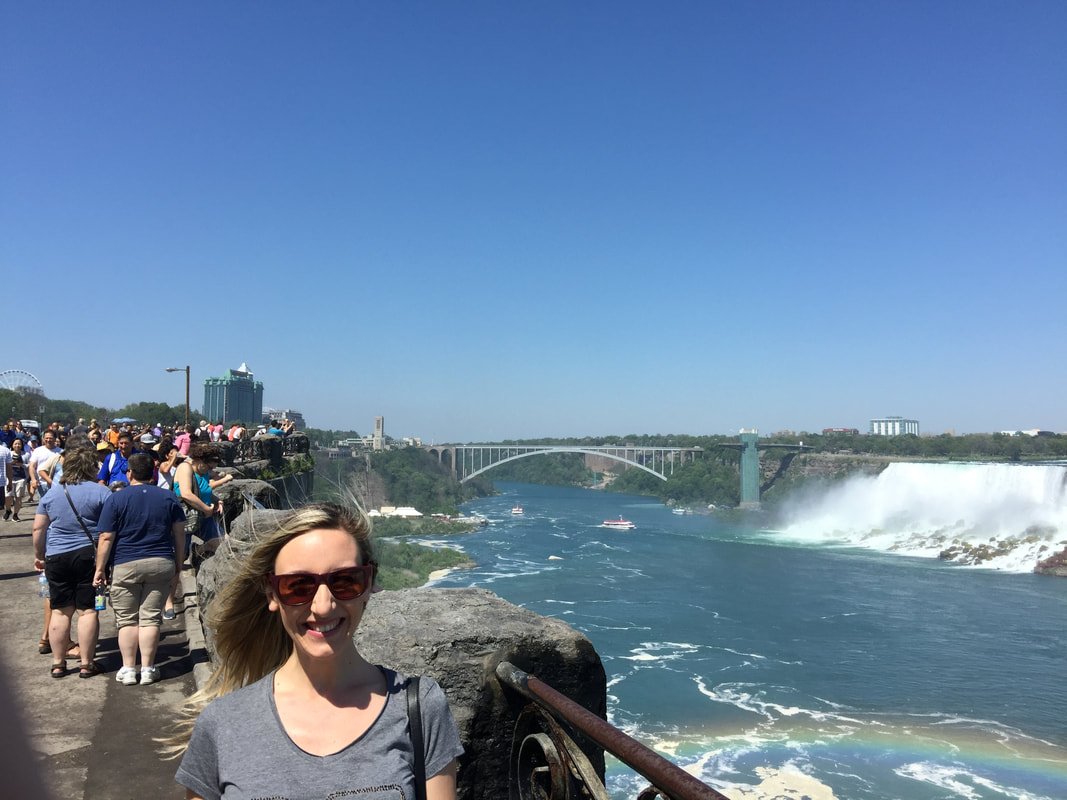
On Sunday morning, Gökay and I packed two different suitcases for the two possible outcomes and quietly left Toronto. Pretending nothing was wrong, we wandered through lovely Niagara-on-the-Lake near the falls, admiring million-dollar houses, eating a hot dog by the lake and even taking photographs at Niagara Falls.
| 
|
Half an hour before reaching Rainbow Bridge, I checked my email one last time—and there it was. The crossing had taken me seriously and had even provided a telephone number. I called from my sister’s Canadian phone and explained the situation. The officer spoke exceptionally clear English and spent twenty minutes explaining, with remarkable patience and positivity, that no promise or approval could be given by telephone: I needed to present myself at the port of entry, where officers would assess the situation again. In other words, ‘Come here and we will see.’ Hardly believing it, I said we would arrive in half an hour. The car filled with celebration and my father laughed, ‘I knew it,’ although I still had doubts. To be safe, I carried a folder containing my Montreal-to-Türkiye return ticket, our New York accommodation confirmation and copies of the old passport.
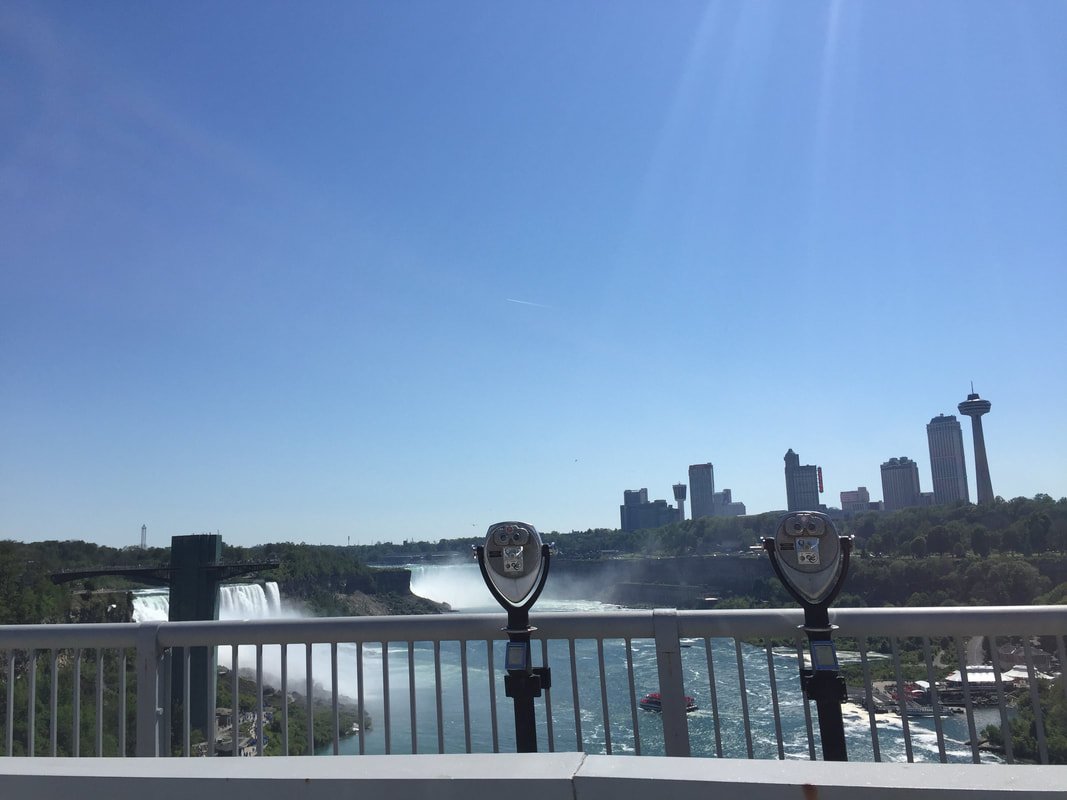
Rainbow Bridge, where we crossed from the Canadian border facilities to the US port of entry.
After leaving the Canadian side by showing our passports, we parked at the US border facility. Nobody even searched the car. We took the documents to the customs office upstairs. After twenty or thirty minutes in the waiting room, my name was called and I went inside alone. The officers took my documents and asked me to explain everything once more. They said they needed to complete a form and asked me to wait. Whether it was forty minutes or a full hour, I remained there while other travellers had their passports processed and continued on. Through the glass I could see my family watching anxiously.
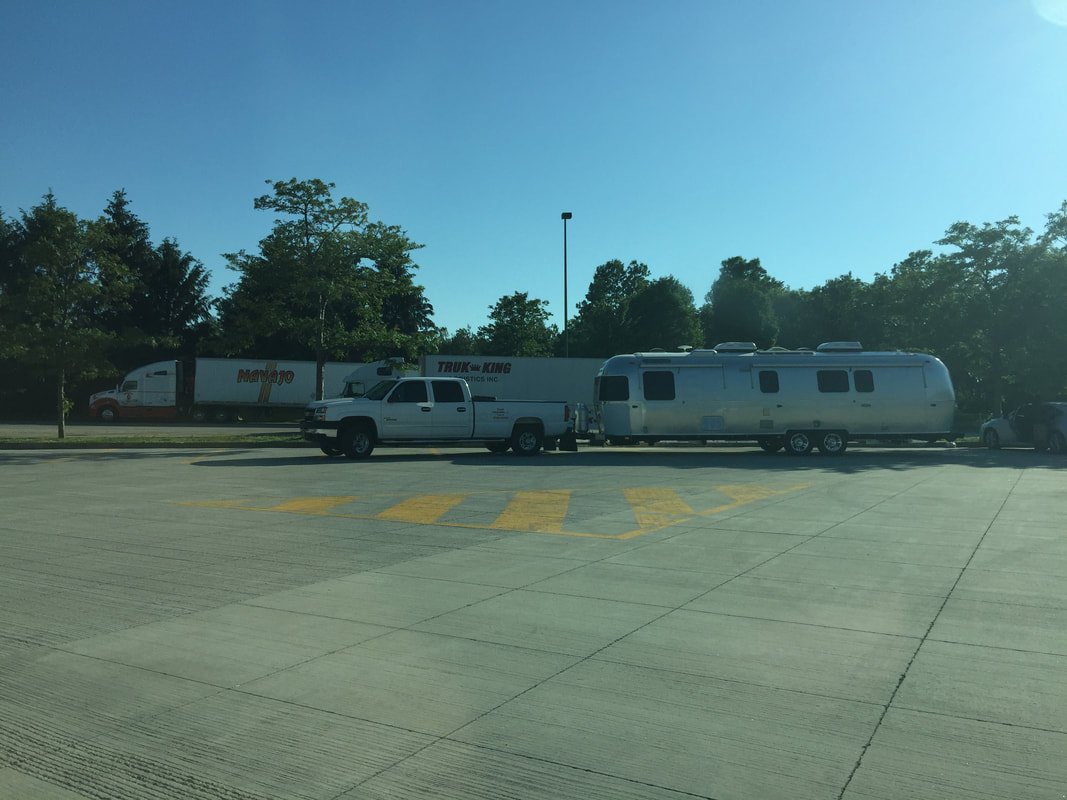
The car park where we left our vehicle.
The officers had apparently never encountered this exact situation. Like a scene from an American sitcom, three of them stood staring at one monitor, occasionally calling me over to ask my height, weight and the New York street where we would stay. They were warm and funny, joking about whether my newly married husband would remain with me or abandon me for New York if they refused admission. They eventually completed the form and needed to print it and take my fingerprints—at which point one of the officers, constantly drinking coffee in true television-office fashion, spilt it across the desk. The printer stopped working and the fingerprint scanner failed as well. Mishaps continued to follow me, but the officers were enjoying the whole episode so much that I began to believe they might let me in.
Without even searching me, they took my fingerprints and photograph at another computer and asked me to wait again. The older officer handling my case finally called me over and said, ‘All right, we find you credible and we can grant you a waiver at the border. The fee is 585 dollars.’ My relief vanished. Paying $585 for three or four days in New York made no sense, so I said I would rather stay in Canada and could not justify the charge. They surprised me once again: ‘All right, we will not charge it this time—but if you forget your visa again, we will. Now call your family.’ Still scarcely believing it, I called in Gökay and my parents.
After more than an hour together, the formalities ended in laughter. The older officer even gave Gökay a short lesson in marriage: forgetting my visa, he declared, was entirely my husband’s fault, and from then on all my mistakes would be his responsibility. ‘We are long-married men here, so take this as reliable information: from now on, everything your wife gets wrong is your fault. Know it and live accordingly.’ =D
In the end, we paid the land-entry processing charge that applied at the time—$6 per person—and drove across the border. I still wonder why the car was never searched. Everyone else carried the passport containing their visa and received admission for up to six months; a small paper record was attached to my passport and I was admitted for only six days. I could hardly believe I had entered without having the passport containing my visa. The officers carefully assessed an honest account and helped me, while stressing that another port of entry might have reached a different decision. IMPORTANT 2026 UPDATE: this is a personal account of an exceptional, discretionary decision made in 2017, not a method or travel tip. A valid visa does not guarantee admission, and travellers should normally carry the valid passport containing the visa together with any current passport required for travel. Never assume that a photograph, copy or electronic record will replace the original document. If a passport or visa is missing, contact the airline and the relevant US embassy or consulate before departure; at a land border, only CBP can decide whether a waiver is legally available and whether to admit a traveller. Fees, forms and procedures may have changed. Information checked against current US Customs and Border Protection guidance in August 2026.
If You Have Upcoming Travel Plans...
When you make a purchase by clicking our links, we get to earn a small commission but you still pay the same price. So, it's a win-win for everyone!

Book hotels via Booking.com | 
Find Cheap Flights via Skyscanner | 
Get a Travel Insurance via World Nomads | 
Make International Money Transfer via Wise |

Book Tours & Attractions via Getyourguide | 
Book a Cruise | 
Book Bus/Ferry/Train/Transfer via 12goAsia | 
Find free accommodation in exchange for petsitting |