CAMERON HIGHLANDS
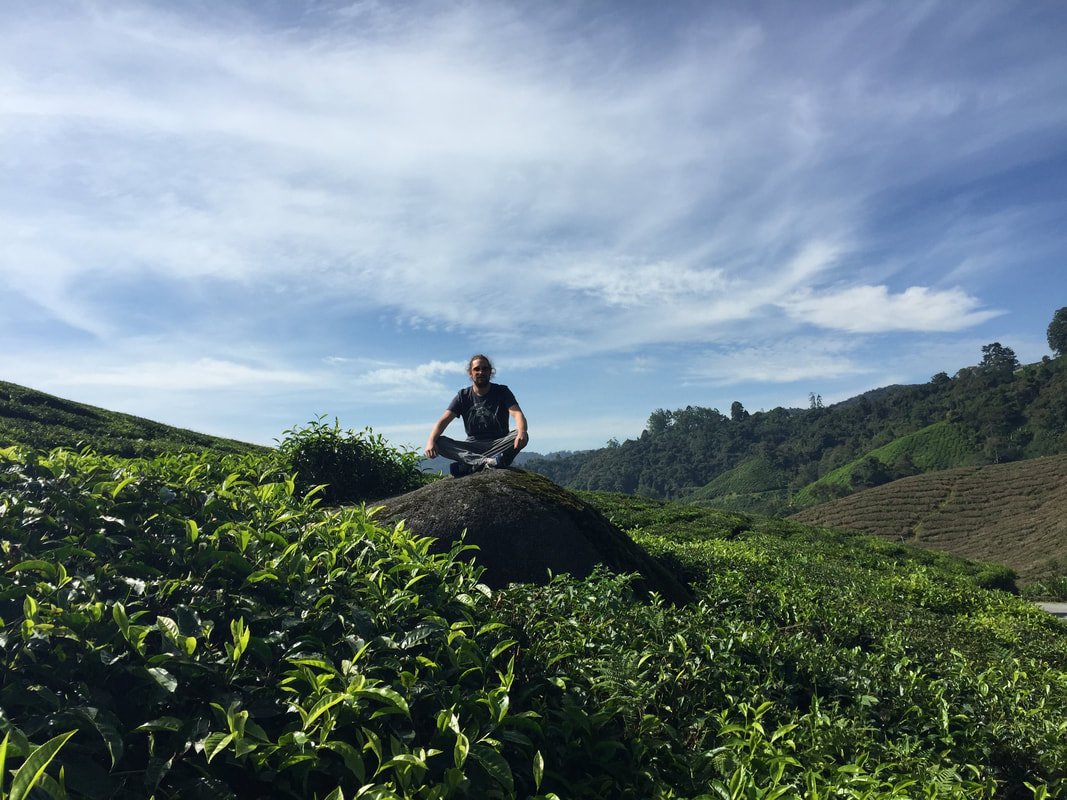
Before our first trip to Malaysia in 2015, we honestly knew very little about the country. Or, to put it more accurately, we knew almost nothing beyond the Petronas Towers and a handful of sights in Kuala Lumpur at that point. Once we arrived, it saddened us that such a beautiful country was known internationally for little more than two buildings. Cameron Highlands is one of those magnificent landscapes you may never hear about unless you visit Malaysia or develop a particular interest in it.
| 
|
Covering roughly 712 square kilometres—an area comparable with Singapore—Cameron Highlands is Malaysia’s largest and best-known hill station. Its cool climate and fertile soil also make it an important agricultural region. British colonial development shaped the highlands, while later communities built livelihoods around farming and tourism.
CAMERON HIGHLANDS DAY TOURS
Tea estates and hiking trails are the first things associated with Cameron Highlands, but visitors like us who do not love long walks can choose from half-day and full-day tours. Typical itineraries include BOH’s Sungei Palas Tea Garden, strawberry farms, butterfly farms, Mossy Forest and Gunung Brinchang. Tours can be arranged through accommodation or agencies in Tanah Rata; compare the exact stops, vehicle type and licence rather than choosing on price alone. On our first trip we paid MYR25 for a tour that did not include Mossy Forest. On the second, we negotiated a MYR50 tour down to MYR45 per person and reached the forest. We joked that on a third visit we would upgrade again and visit an Orang Asli community. Those figures are historical and should not be used as current prices. Because both tours were half-day trips, we spent the remaining time around the town centre and night market.
THINGS TO DO IN CAMERON HIGHLANDS
We found the region so beautiful that we returned within three years—although we were lazy enough to write about it only later. It is an ideal place to slow down. Two days may satisfy anyone looking for a compact itinerary, but if you want cool breakfasts, birdsong and deliberate idleness, stay longer.

| 
|
BOH SUNGEI PALAS TEA GARDEN
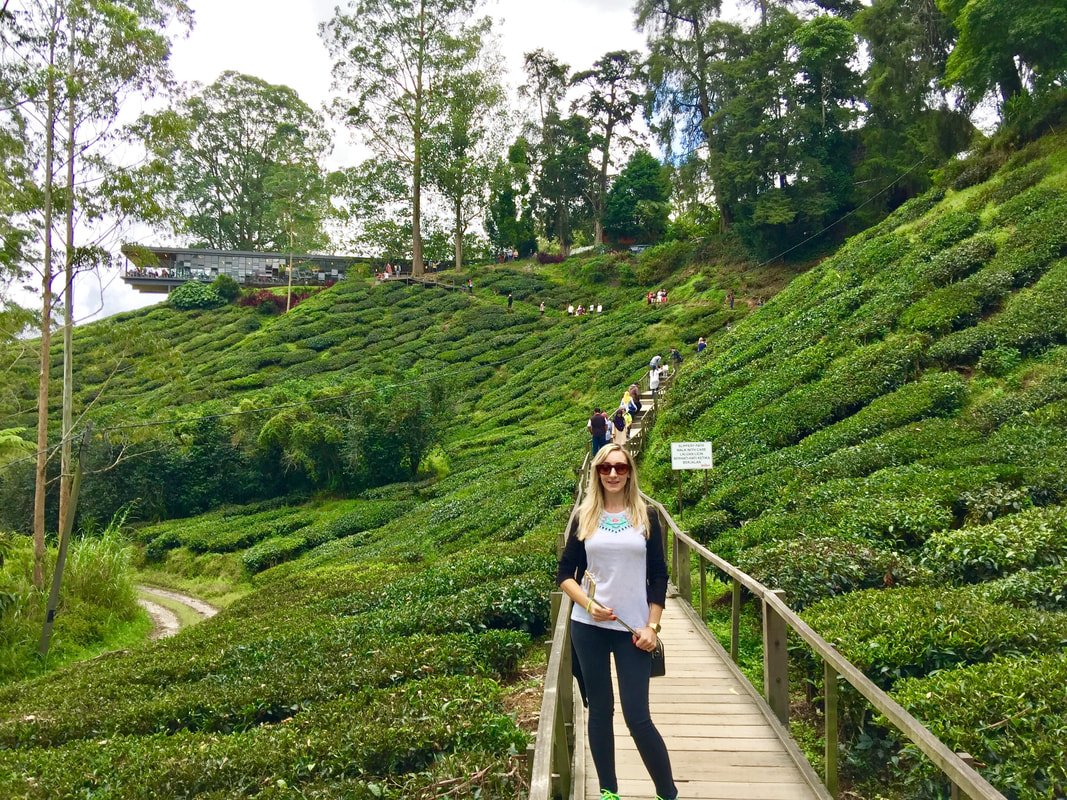
Sungei Palas is one of Cameron Highlands’ signature attractions. About 12 kilometres from Tanah Rata, the visitor centre sits above steep, seemingly endless tea fields. The site includes a tea factory, exhibition gallery, shop and café. Official BOH information checked in August 2026 lists the garden as open Tuesday to Sunday from 08:30 to 16:30 and closed on Mondays except selected school and public holidays. Factory tours are available, but activities can pause for maintenance or operational reasons, so check BOH’s official page before travelling. The short tour explains how fresh leaves become black tea. The factory smell—tart, damp and probably produced by the oxidation process—delighted us as devoted tea drinkers.

| 
|
After the factory, visitors continue to the modern building beside it, where photographs and old advertising explain BOH’s history. BOH was founded in 1929 by J. A. Russell, a British-born businessman from a Scottish family. During our visit we were told that the manager was Turkish, though we never met him and cannot confirm whether that was accurate or remains true. The shop sells loose-leaf black tea, tea bags, flavoured blends and instant drinks. If you love tea, try BOH’s loose black tea, one of our favourites alongside Çaykur Altınbaş. BOH is sold in supermarkets throughout Malaysia, so you can postpone the purchase if you do not want to carry it all day.

| 
|
Next comes the café. If you stop for tea, try to find a table on the balcony. It becomes busy with photographers, but drinking tea above the plantation is priceless. After all, one ayran, two teas :D
BHARAT CAMERON VALLEY TEA
This tea estate lies roughly 3.5–4 kilometres from Tanah Rata. Because it is relatively close, some young travellers attempt to walk there. We do not recommend hitchhiking or walking along the narrow main road merely because we did so in the past: sections have no proper pavement, traffic is fast and wet weather makes the edge slippery. Use a taxi, licensed tour or other current transport option. The plantation view is still beautiful, although the visitor facilities felt simpler than the modern Sungei Palas centre.
STRAWBERRY FARMS
The cool climate supports numerous strawberry farms. We regarded them, rather cheekily, as a triumph of marketing: tourists were brought into greenhouses, invited to pick fruit and then charged for what they had picked. Claims we heard about imported seed did not make the strawberries any less locally grown, and seed origin is not a useful measure of authenticity. We would not make a special trip solely for the picking experience, but a farm can be pleasant for fresh juice, strawberry cheesecake or preserves. Taste jam before buying if samples are available.

Strawberry Angel | 
What is the Matrix, üleyyn? |
BUTTERFLY FARMS
Butterfly farms appear on many tour itineraries. If you have never visited one, seeing numerous butterfly species and unusual insects at close range can be fascinating. Stick insects and leaf insects alone impressed us. Animal-welfare and enclosure standards vary, however, so choose responsibly and decide whether the attraction meets your own expectations.


| 
|
GUNUNG BRINCHANG AND MOSSY FOREST
Gunung Brinchang is among the highest peaks in Cameron Highlands and has long been promoted for road access near its summit. Conditions, closures and vehicle restrictions change, and the old claim that it is the highest driveable point in Peninsular Malaysia should not be treated as definitive. Mossy Forest on its slopes remains a major attraction. Use designated boardwalks and licensed transport or guides where required; fragile cloud-forest vegetation is easily damaged. Our tour included only a short Mossy Forest visit, so we did not attempt to continue to the summit.

Nooo, it can’t be! We come from different states! | 
A happy ending :D |
Local guides simply called it Mossy Forest. In Turkish we might say yosunlu orman, cloud forest or mist forest. Moisture from clouds at high elevation supports mosses and epiphytes across tree trunks, branches and rocks. As our vehicle wound uphill from the tea fields, the rain stopped and sunlight appeared. Our guide explained the habitat, pointed out a few poisonous plants and then allowed us time on the boardwalk. One plant was nicknamed ‘mother-in-law’s tongue’—with apologies to every mother-in-law :D The trees, insect sounds, smell and mist distorted our sense of reality. It felt like a film set, and we admired this ancient cycle with a touch of fear. Our short walk was only a preview; deeper routes should be attempted only with an appropriate guide and current permission.

It looks like the set of Avatar! | 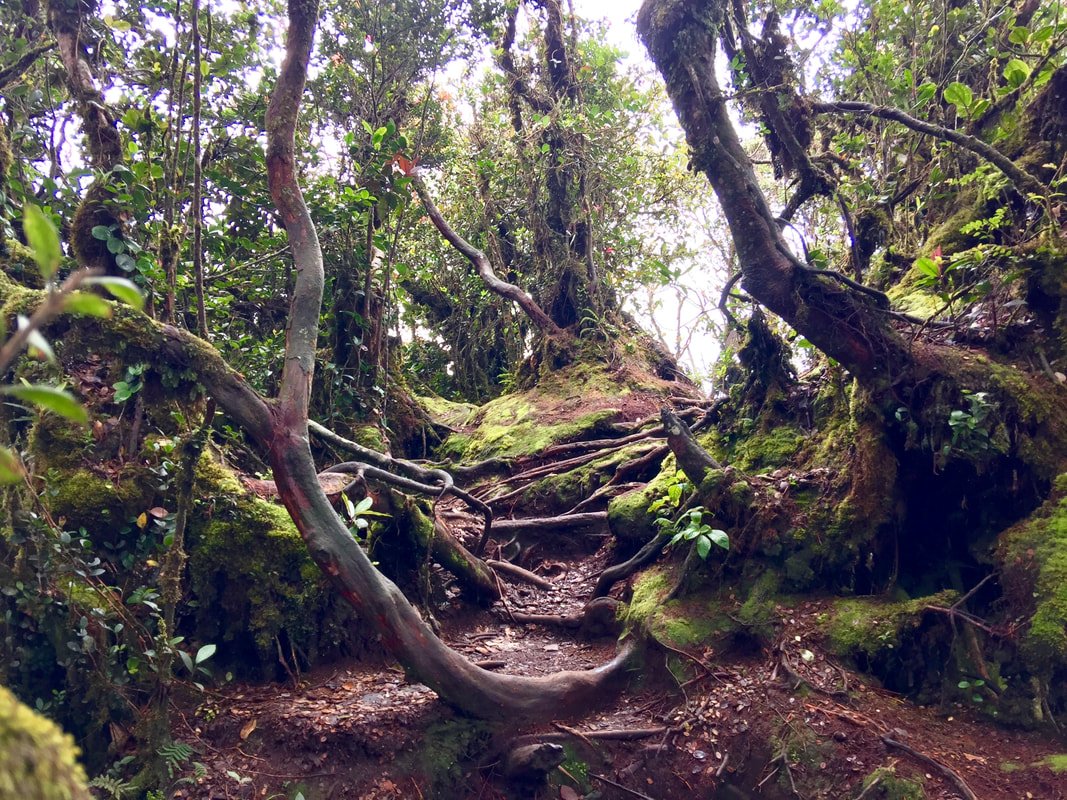
You would not want to get lost here |
On the way back, our guide excitedly stopped the vehicle and invited us to see cobras. Half thrilled and half frightened, we followed him—only to find something stranger than an actual snake: an orchid shaped like a cobra with its tongue extended. Nature’s powers of imitation kept surprising us. Farther on we saw Nepenthes pitcher plants. They trap insects and, in some large species, occasionally small vertebrates; they do not hunt passing tourists, despite the respectful distance we kept for the photograph :D A carnivorous plant still feels wonderfully improbable.

Nepenthes waiting quietly for prey | 
At first glance, it really does look like a cobra |
CACTUS AND SUCCULENT NURSERIES
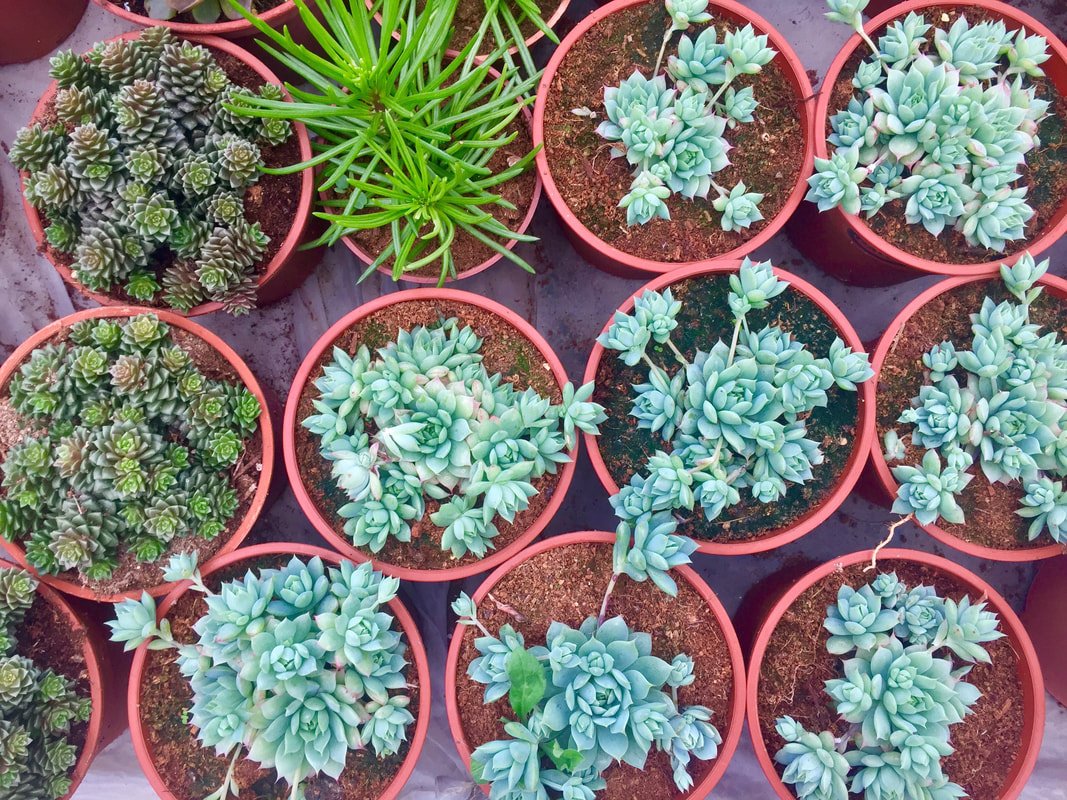
You will notice many cactus and succulent nurseries around the highlands. Even if you do not plan to buy, they are worth seeing for the extraordinary variety. We were especially fascinated by a perfectly ordered succulent that we nicknamed the ‘AutoCAD cactus.’ Individual plants cost MYR14–15 in Kuala Lumpur supermarkets, while we bought seven for roughly that amount. Later we found even cheaper plants at the night market, though with less variety. International travellers should not carry live plants across borders without checking phytosanitary and customs rules.

Cactus paradise | 
The AutoCAD succulent |
BRINCHANG NIGHT MARKET
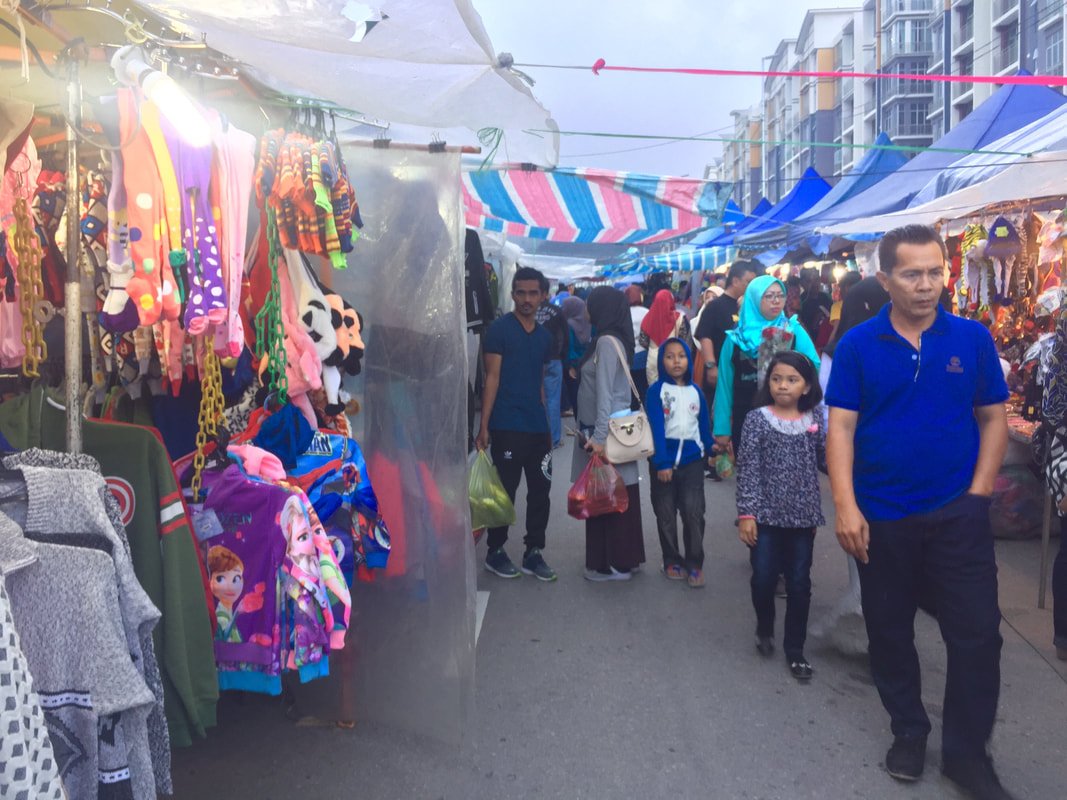
Almost everywhere in Malaysia has a night market: some fill two streets, some feature live music and some are not especially inviting, but there is usually one somewhere. We hurried to a large market a few kilometres from our accommodation. We had visited the same market on an earlier trip in a different location; it has moved several times. Recent listings commonly place the weekend market at Golden Hills and associate it with Friday and Saturday evenings plus selected holidays, but location and operating days can change. Confirm them locally with your accommodation rather than relying on an old blog. It was much cheaper than Kuala Lumpur during our visit—cheap enough, we joked, to offset the cost of the holiday with a determined shopping session.

Rain was approaching... | 
|
For street-food lovers, the market was paradise. Without having eaten dinner, you could assemble a meal, dessert and fruit from the stalls. Plants were cheaper than at the nurseries, though there was less choice. We did not stay long: fog descended almost as soon as we arrived, followed by approaching rain. Worried that we would not find a taxi, we tried hitchhiking and the first driver stopped and returned us to the hotel. We were fortunate; for safety, arrange legitimate transport rather than depending on a lift from a stranger.
| 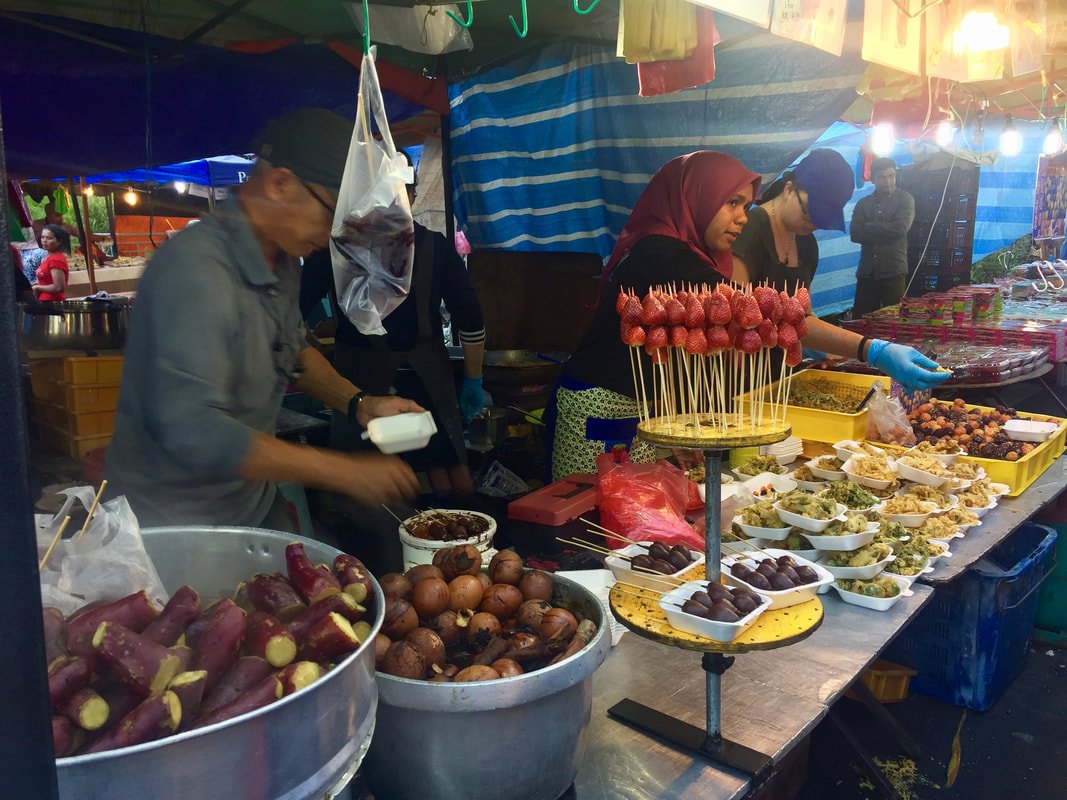
You can snack here with confidence—while still using normal food-safety judgement |
WHAT TO EAT IN CAMERON HIGHLANDS
Cameron Highlands does not have one single signature dish. You will find many of the same cuisines as in Kuala Lumpur, particularly Indian, Chinese and Malay food, alongside some fast food. During our visits we liked Kumar Restaurant for Indian food and Rosette Café for filling Chinese meals. Malay dishes could also be found near Tanah Rata bus station. We were surprised to see a Starbucks in the highlands; because our online work had made the chain useful to us, we took shelter there during the rain. We also ate at restaurants near the former Traveller’s Bistro & Pub. These are memories rather than guarantees that each business still operates, so check current maps and recent reviews.


Kumar Restaurant and its famous banana-leaf meals | 
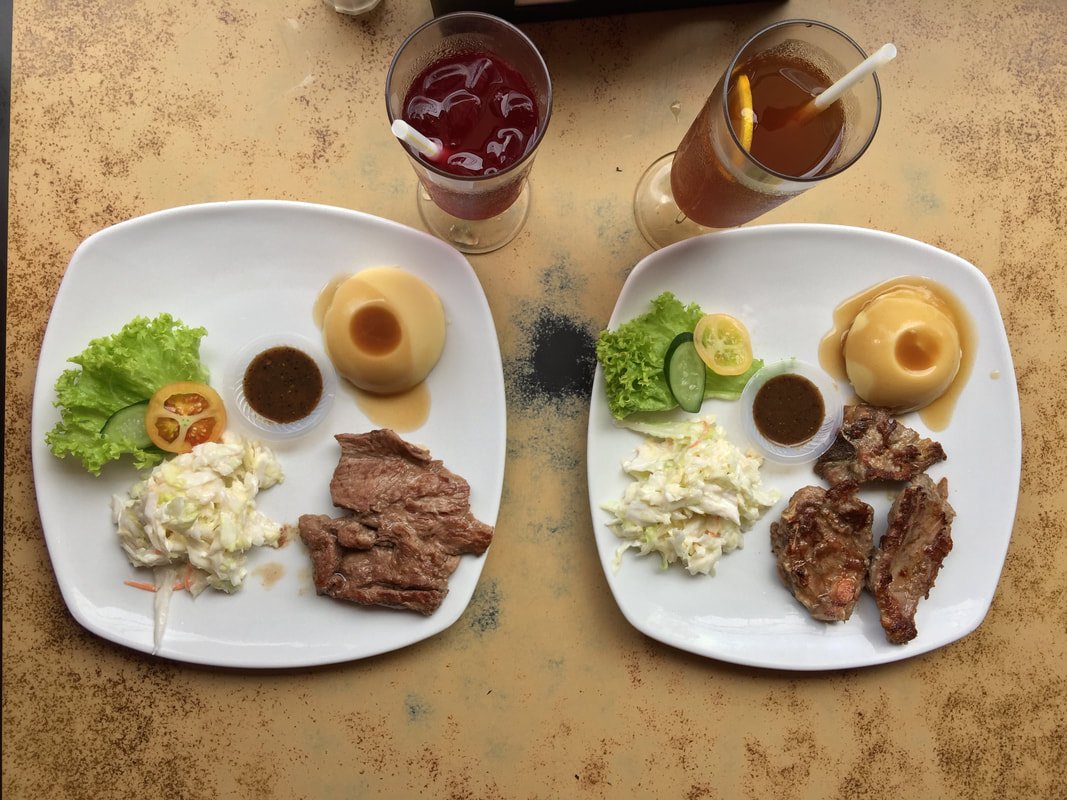
The satisfying dishes at Rosette Café |
WHERE TO STAY IN CAMERON HIGHLANDS
COPTHORNE CAMERON HIGHLANDS
On our first visit, we found an excellent offer at Copthorne Cameron Highlands —one of the region’s larger full-service hotels. The high atrium, stone walls and fireplace at its Brinchang entrance reminded us of a mountain hotel in Uludağ. We doubted they ever lit the fire, but it looked attractive even as decoration. Because our stay fell during Ramadan, the hotel served a nightly buffet where we tried everything from seafood to Malay desserts. Our room was clean and spacious. We had previously stayed at a Copthorne in Penang and had also left satisfied. Check recent reviews and current rates, as hotel standards can change.
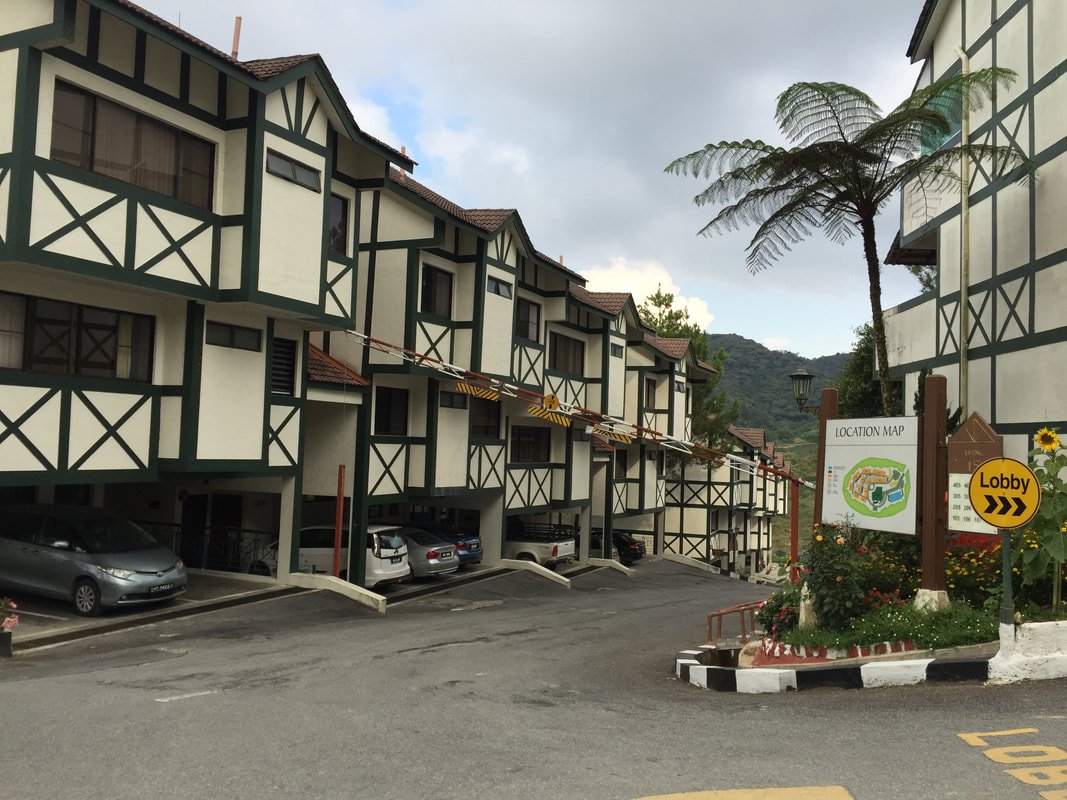
The hotel exterior | 
Bloggers are not raised easily :) |
CENTURY PINES RESORT
On our second visit we stayed at Century Pines Resort in Tanah Rata, within walking distance of the town centre. Breakfast was merely acceptable, but the room was clean and the staff friendly. A gazebo and water feature provided a pleasant place to sit in the lobby garden, while a sweet little park stood opposite. The location could work well for families; consult recent accessibility and family-room information before booking.

The hotel exterior 
The park opposite our hotel | 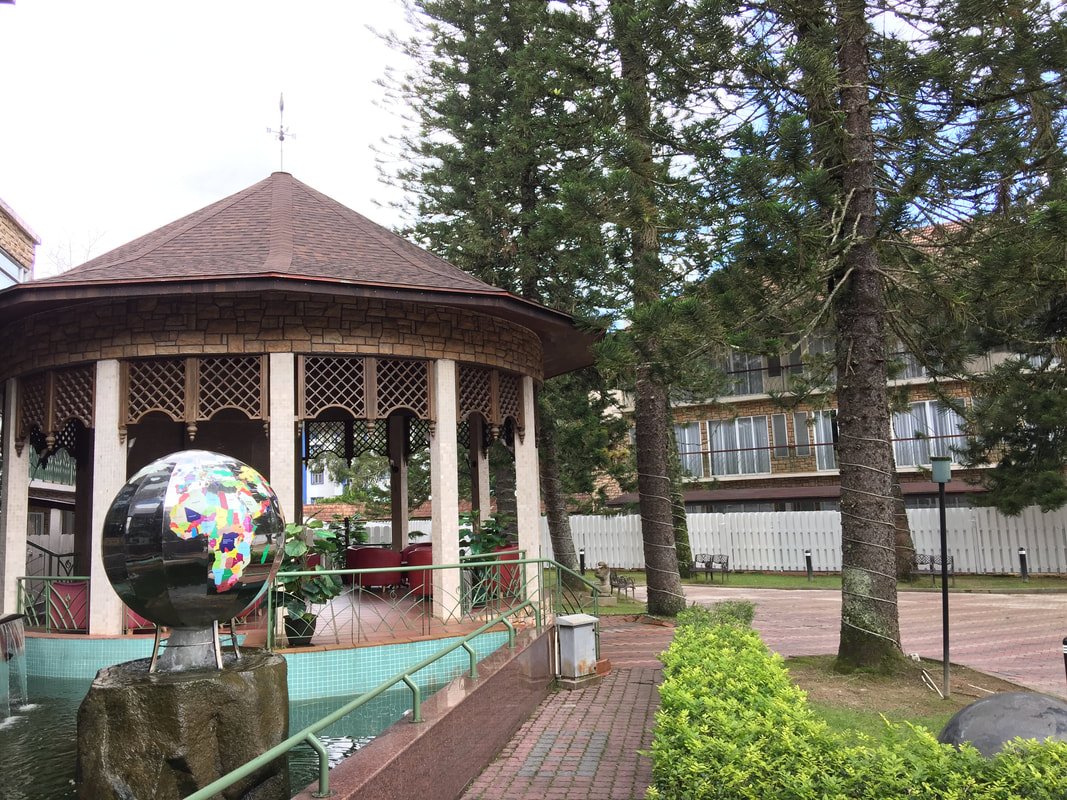
But why a physical map? :D 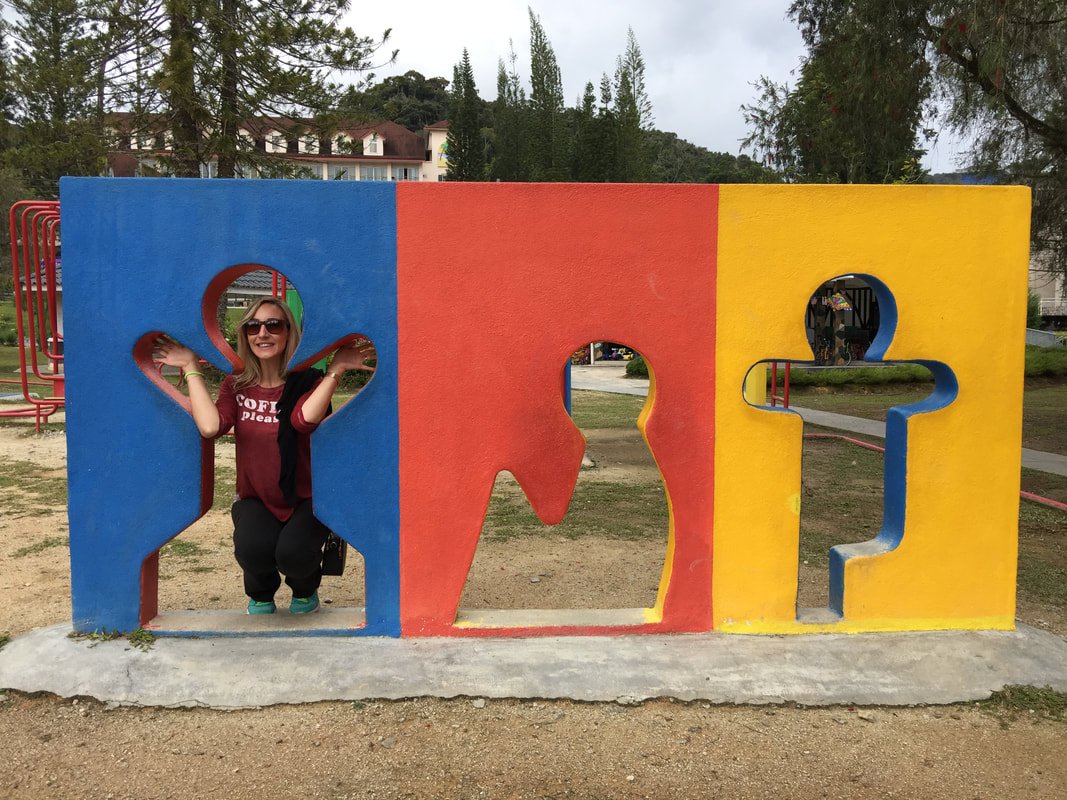
That day, two bloggers were as joyful as children; that day, two bloggers defeated an entire army. |
THE SMOKEHOUSE HOTEL
The Smokehouse Hotel was somewhere we never stayed but fell in love with while passing. Its architecture resembles a fireplace-filled English country house, as if it had slipped out of the past. Established in the colonial period, it is among Cameron Highlands’ long-standing heritage hotels. Even if you do not stay, its garden has traditionally welcomed visitors for afternoon tea, subject to current reservations and opening policy. The night market has moved since our visit, so the old claim that it is very close should not guide present planning.

| 
|
HOW TO GET TO CAMERON HIGHLANDS
Most visitors arrive by bus or tourist minivan; the nearest airport is in Ipoh, but road time varies with traffic, weather and landslides. On our first trip, a bus from Kuala Lumpur’s Terminal Bersepadu Selatan took roughly five hours. On the second, we departed from Titiwangsa, but routes and terminals change and that old service should not be assumed. Ipoh to Cameron Highlands often takes around 2–3 hours. Daylight travel is preferable because the road is scenic, narrow and winding—not exactly the Amalfi Coast —but winding enough to make some passengers uncomfortable. Private shared transfers may collect guests from selected hotels. Compare the current operator, departure point, cancellation terms and recent reviews before paying. Two widely used booking platforms in the region are BusOnlineTicket and Easybook. We used regional bus-booking sites successfully, but schedules can change at short notice.
WHAT TO BUY IN CAMERON HIGHLANDS
Tea, naturally. BOH products are widely available in Malaysian supermarkets, while Cameron Valley teas may be less common, so you can try both. Cacti and succulents may look tempting, but do not carry live plants internationally without checking agricultural-import rules. Beyond tea, local produce and plant-related souvenirs, there are relatively few items unique to the highlands. Information checked in August 2026.

| 
| 
| 
|
If You Have Upcoming Travel Plans...
When you make a purchase by clicking our links, we get to earn a small commission but you still pay the same price. So, it's a win-win for everyone!

Book hotels via Booking.com | 
Find Cheap Flights via Skyscanner | 
Get a Travel Insurance via World Nomads | 
Make International Money Transfer via Wise |

Book Tours & Attractions via Getyourguide | 
Book a Cruise | 
Book Bus/Ferry/Train/Transfer via 12goAsia | 
Find free accommodation in exchange for petsitting |