A WONDERFUL TEAM
For the second trip organised by the İzmir Food and Travel Bloggers group, we travelled to Ödemiş and the nearby village of Birgi and Gölcük Plateau. You can read about our first excursion, when we went in search of mistletoe in Karacasu, Aydın, here .
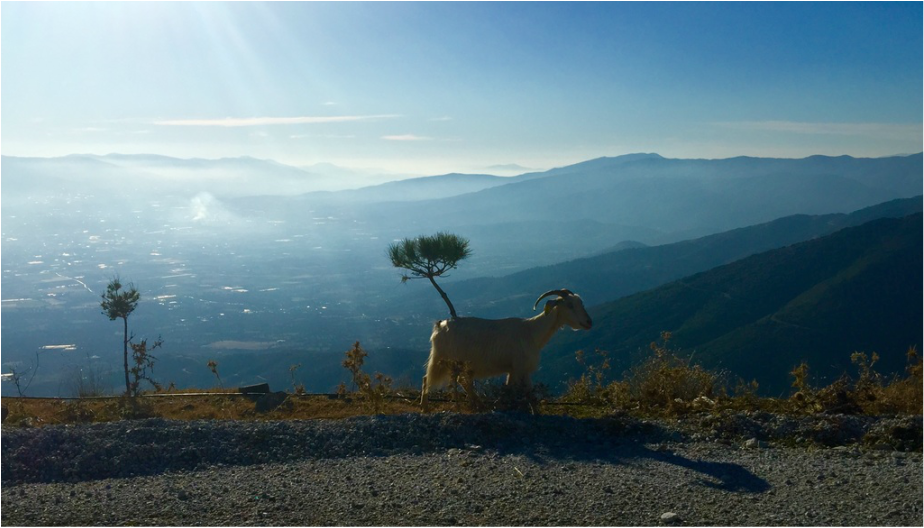
BİRGİ
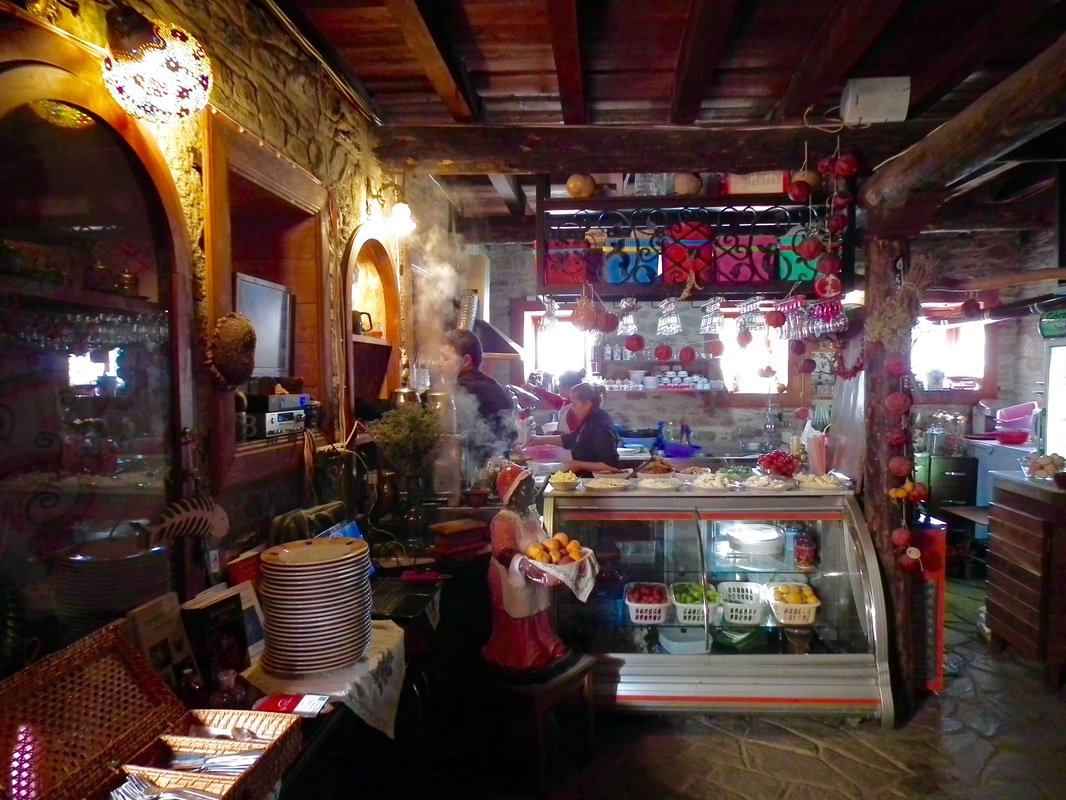
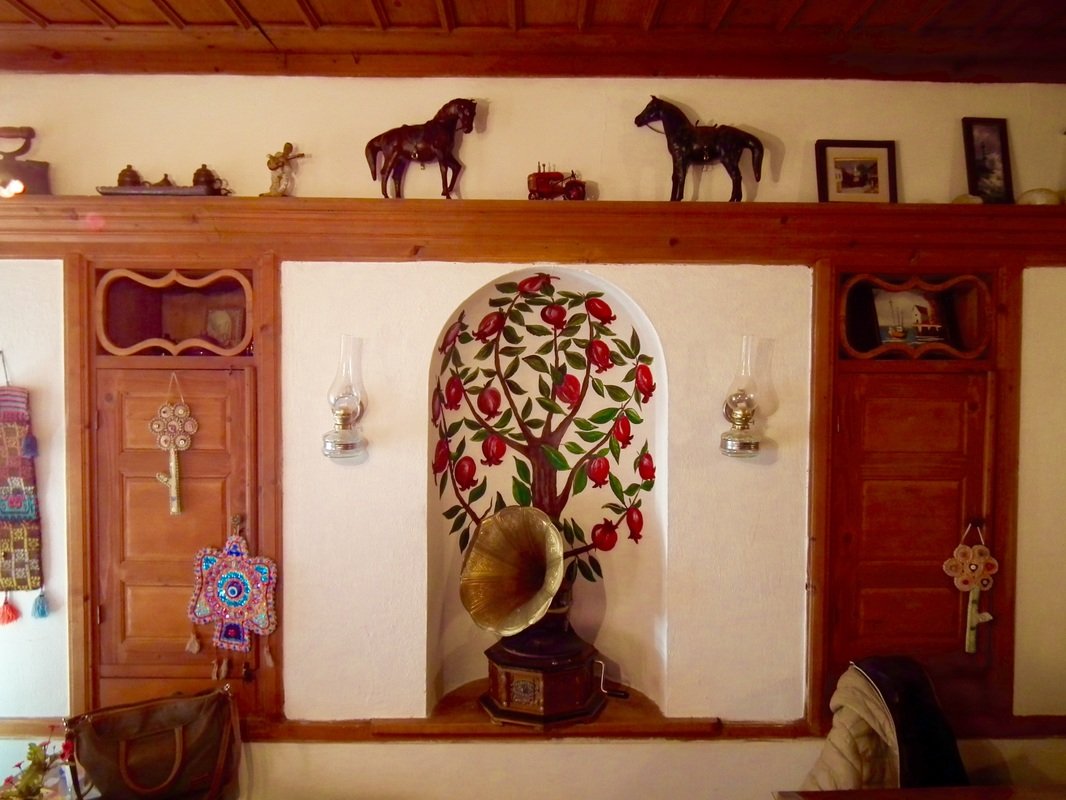
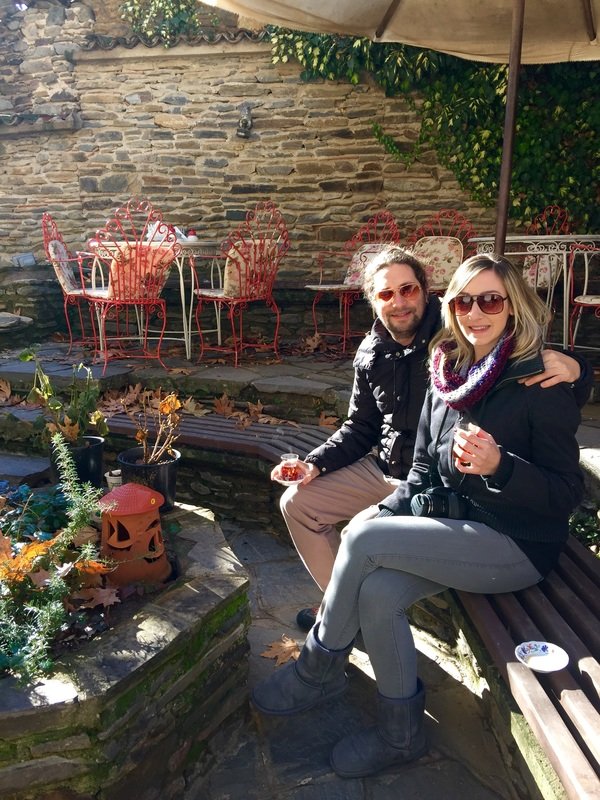
Taking ‘the early bird catches the worm’ as our motto, we met at 7:00 in the morning and set off. Everyone was a little sleepy and a little hungry. About an hour and a half later we reached Nar Danesi Restaurant in Birgi, our breakfast stop. A protected historic house had been converted into this beautiful stone restaurant, and every corner seemed steeped in history. Facing the historic Çakırağa Mansion, it was easy to find. By the time we arrived, the tea had been brewed, the bread toasted and the pumpkin fritters known as kabak yarenleri were already frying.
|
|
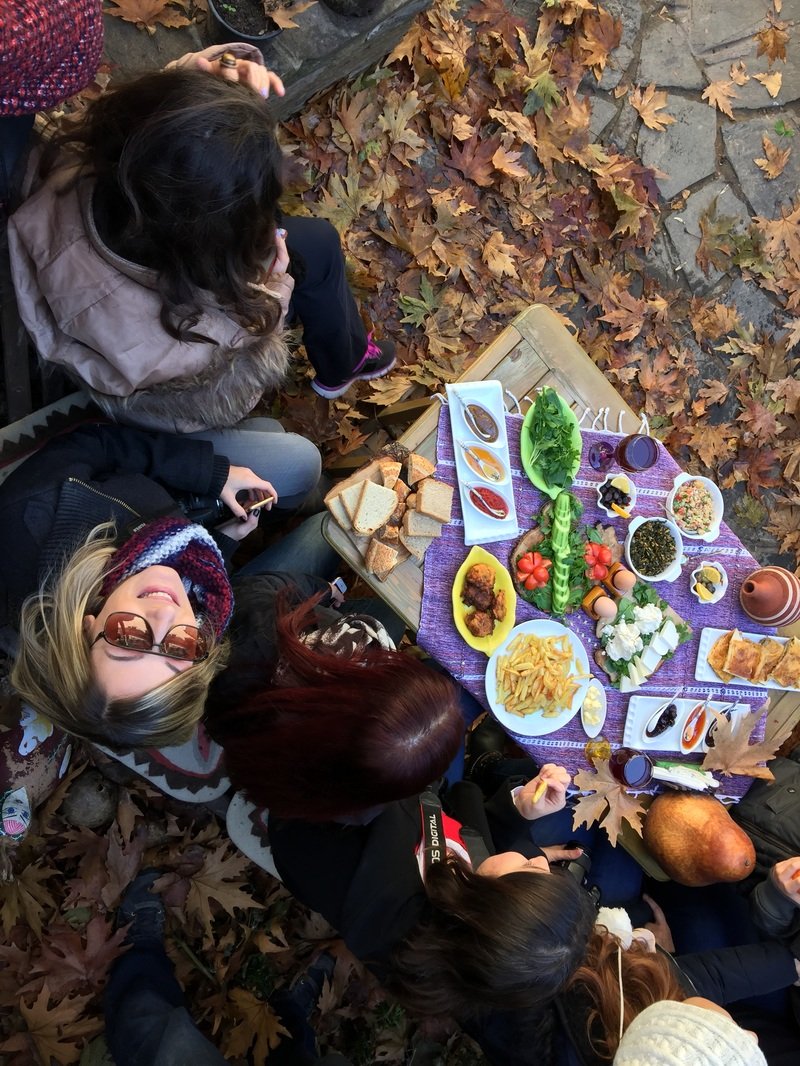
And then there was the çamur cheese: it softened on the toast until it was almost like Turkish delight. With deep-red tea brewed using spring water from the fountain, breakfast was worth the journey. The open buffet completely won us over. We ate first, then lingered over tea and conversation in the lovely garden.
|
|
Our next stop was the historic Çakırağa Mansion, immediately beside the restaurant. Once the timber home of one of the region’s wealthiest families, it was restored by the Ministry of Culture and converted into a museum. Its construction is generally dated to the late 18th or early 19th century, rather than conclusively to 1761. The painted decoration on the walls, doors and ceilings is remarkably delicate. During our visit, only five people were allowed upstairs at a time and admission without a Museum Pass cost TRY5. That price is now historical. For the 1 May–1 October 2026 season, the İzmir Provincial Directorate of Culture and Tourism listed visiting hours as 08:30–19:00, with the ticket office closing at 18:30. Check the official schedule and current admission immediately before visiting.
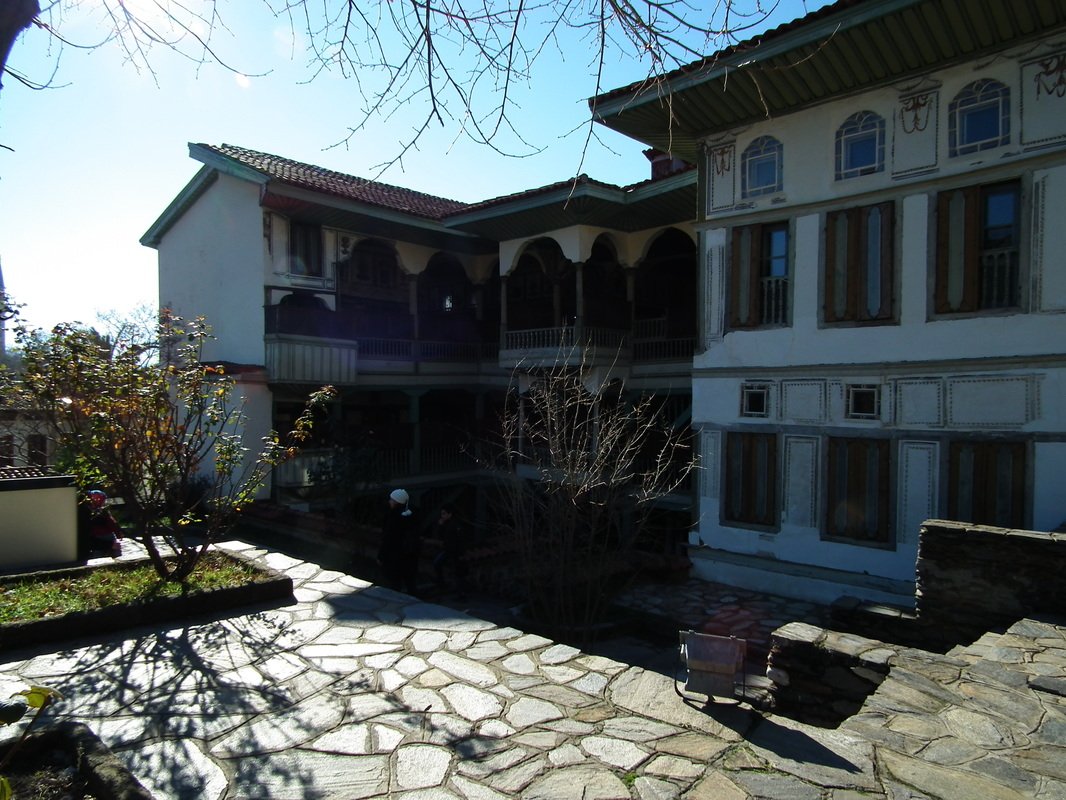
Çakırağa Mansion
|
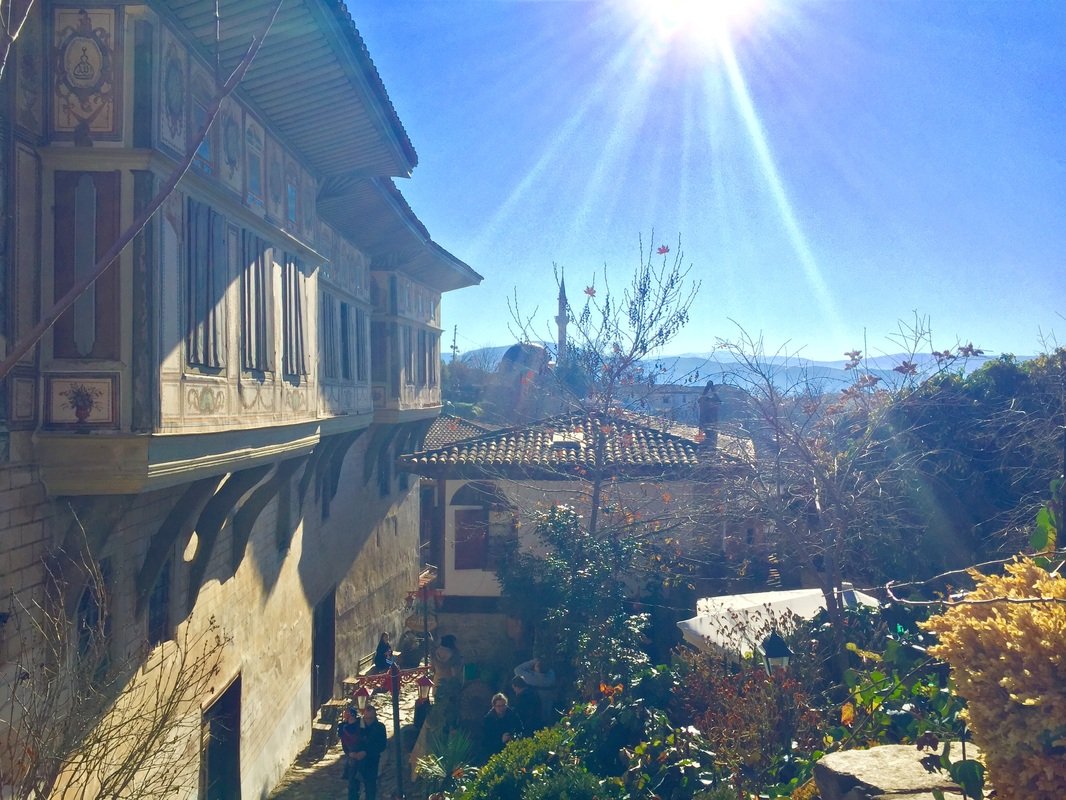
The view of Birgi from Çakırağa Mansion
|
Having visited the museum and taken our daily dose of art, we wandered through Birgi’s beautifully preserved streets. Opposite the village coffeehouse stands Aydınoğlu Mehmet Bey Mosque, better known as Birgi Ulu Mosque. Its carved wooden minbar and richly decorated mihrab make it one of the outstanding monuments of the Aydınoğlu period. Historic Birgi has been on Türkiye’s UNESCO World Heritage Tentative List since 2012; it is not yet on the permanent World Heritage List.
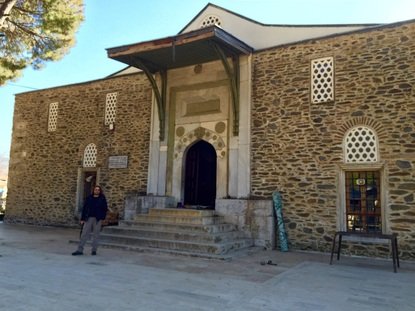
Birgi Ulu Mosque
|
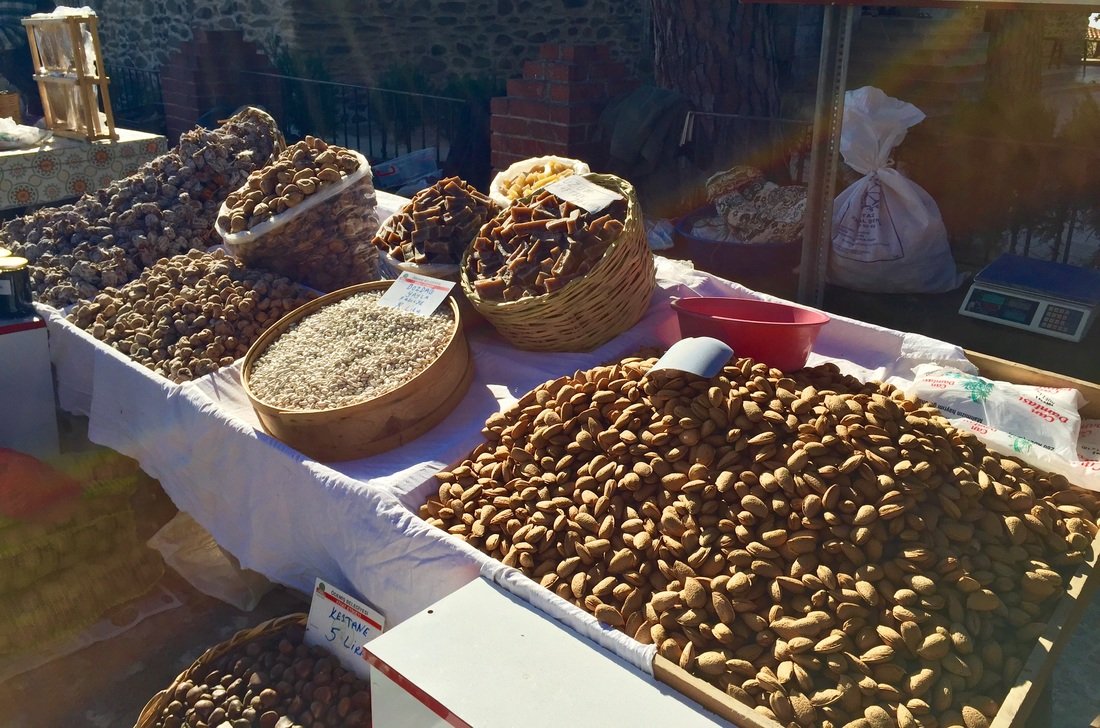
Nuts and dried fruit at the market
|
Another surprise was stumbling upon filming for Yeşil Deniz, a popular TRT television series. We watched a short sequence being shot on the road between the mosque and the village coffeehouse. Luckily there was no dialogue; a sea-green Anadol simply drove past us. We also received the day’s scolding from an auntie who looked rather like Serra Yılmaz. Apparently there were no mobile phones in 1995, so we had to hide ours. Fair enough—but what about the leading man talking on his phone inside the car? :) Anywaaay! Yes, working in a public space is difficult, but perhaps it is rude to lecture the public too.
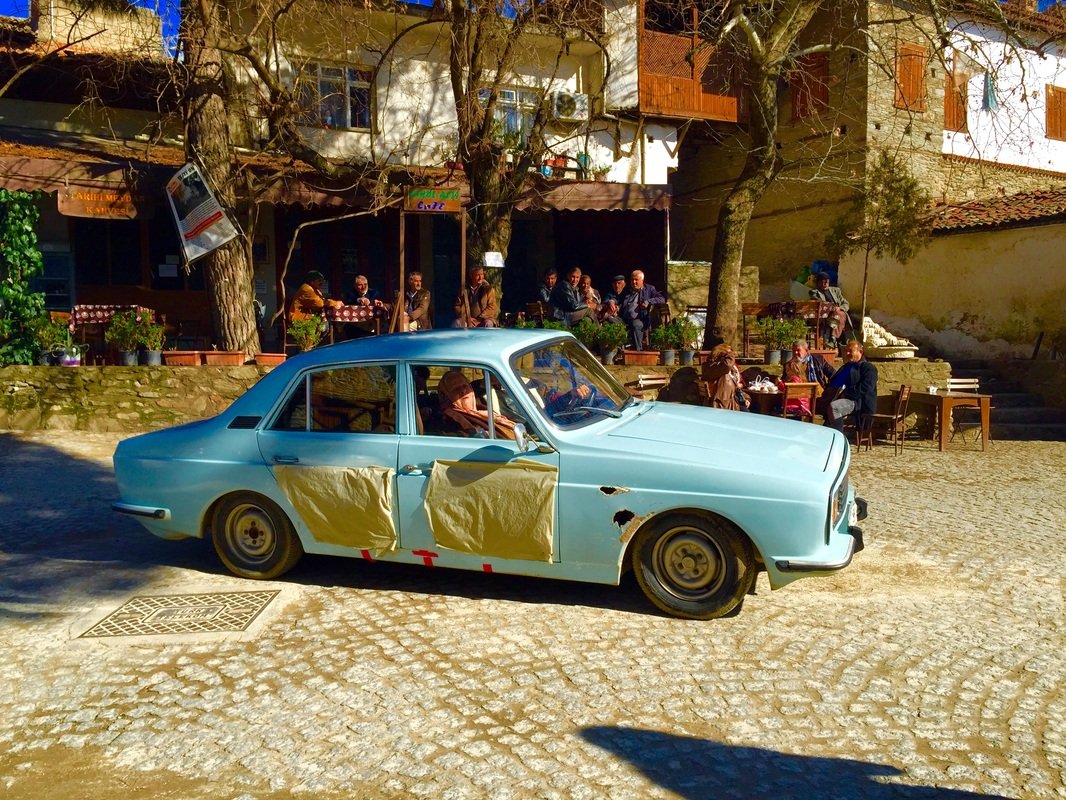
A scene from Yeşil Deniz—don’t worry, no spoilers :)
|
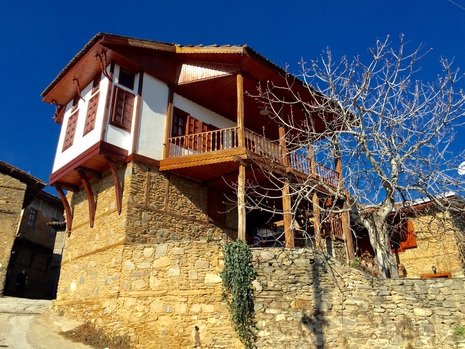
One of the houses overlooking Papaz Deresi
|
After walking a little farther and taking several Instagram-ready photographs, we found ourselves at a riverside restaurant called Papaz Deresi. We had walked and rushed about enough, we decided; on this winter day that felt like spring, a good coffee would restore us. We sat down immediately—who could resist the view and sunshine? We ordered our coffees but also photographed the fried dishes being carried to other tables. It was all for you; otherwise what would we share on Instagram later?
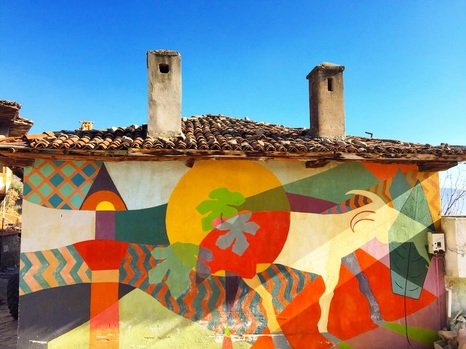
Goat graffiti
|
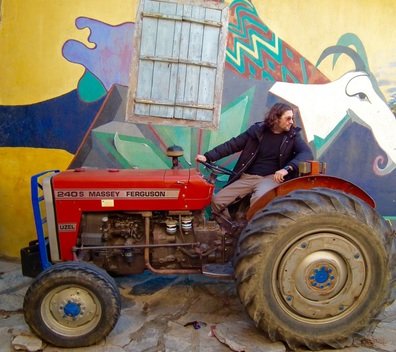
Le le le, Sakine, why did you go to the tobacco field? Come, let’s run away together—look, the machine is leaving.
|
We cannot leave without mentioning the lokma being handed out in the square. When I told my friends from Adana that people from İzmir do not pay for lokma, they looked at me strangely, but in 35 years I had honestly never paid for it. In some İzmir districts lokma is distributed soaked in syrup; in Birgi it came without syrup. What remained for us to do? Find a good slice of Bergama tulum cheese and a glass of tea, and turn it into a late breakfast.
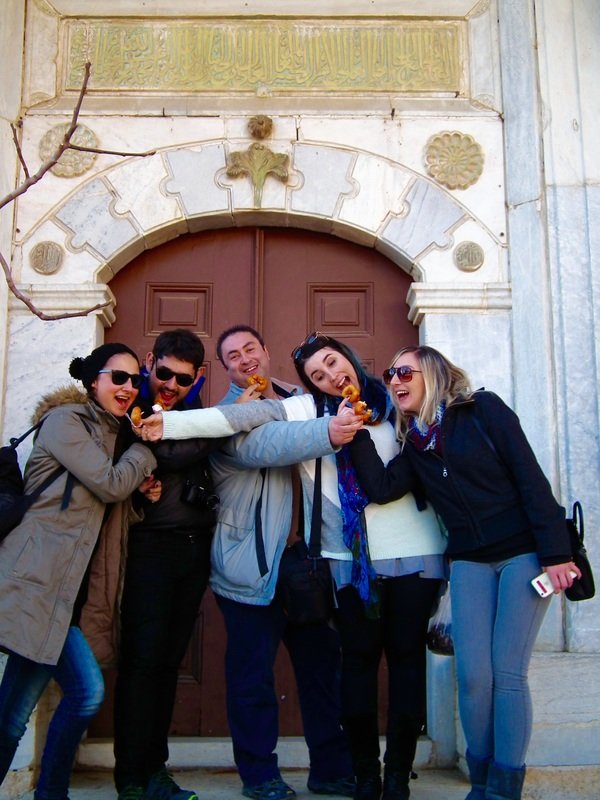
That is team spirit: we did not eat it; we fed it to others
|
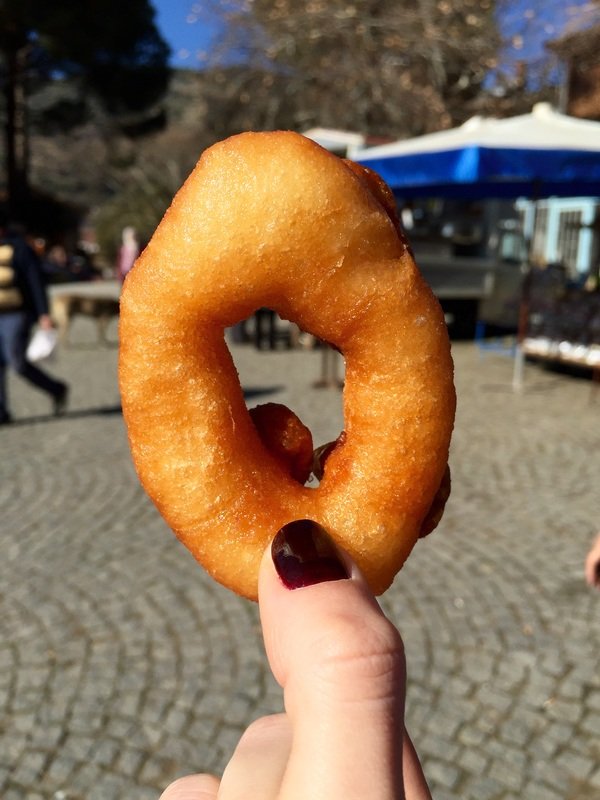
Lokma, my heart belongs to you—no, that one didn’t work either :)
|
GÖLCÜK PLATEAU
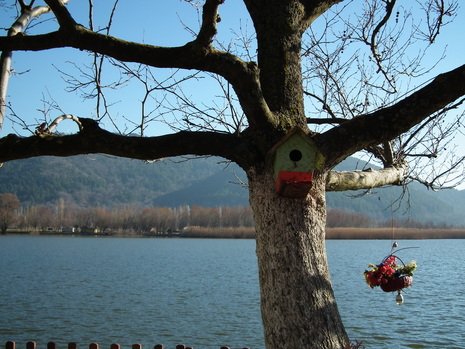
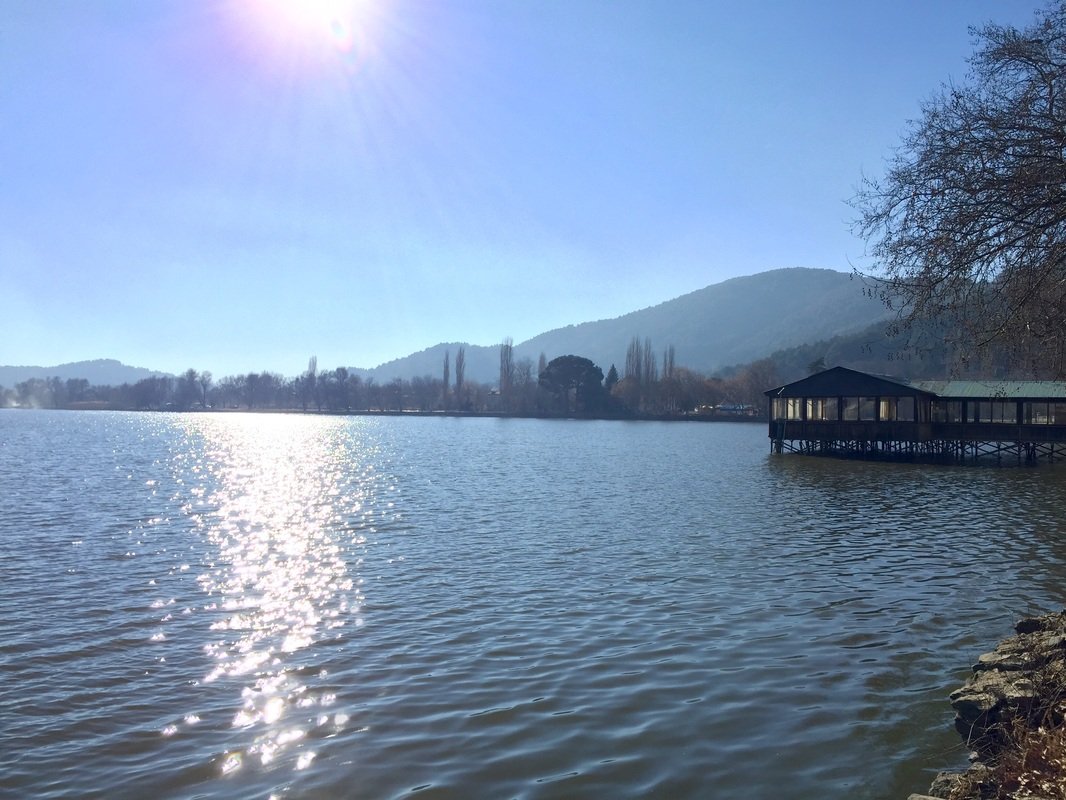
After our lokma, we jumped back on the bus and continued to Gölcük. In summer, people escape the heat here on the plateau; in winter, snow can transform the landscape. We managed to encounter neither on this winter day that felt like spring. Everyone scattered in different directions. We bought roasted chestnuts, one of the area’s best-known treats, and claimed the warmest coffeehouse seats with the best view. Gurmecan Mehmet, Petek Hanım and food blogger Arda from Yiyom went looking for keşkek, while Gezgin Kereviz followed his heart down the road and took the lovely photographs he later shared little by little on Instagram. Much of the group disappeared into the market to buy homemade noodles, tarhana and preserves from village producers. İdil from Sosyal Yiyiciler even returned to the bus carrying bags of potatoes: apparently Ödemiş potatoes are unlike any others. Perhaps so—we are travellers; they are the eaters :) We respect one another’s areas of expertise :)
|
|
ÖDEMİŞ
After a journey of about 45 minutes, it was time for Ödemiş. Tuğçe had spent her primary-school years here, so the visit was deeply nostalgic for her. Our first stop was Dostol Kebap opposite Tayyare Park. Perhaps it was because we had arrived on market day—or perhaps it was always this busy—but there was nowhere to sit. Once we finally squeezed in, we ordered meatballs. They were genuinely delicious, though slightly salty for me; the yoghurt and ayran served alongside were flawless.
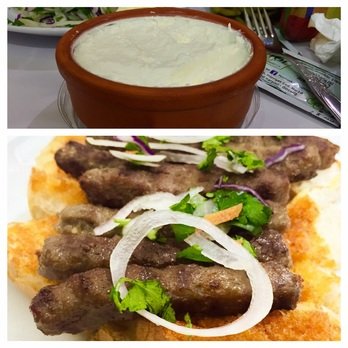
Eating Ödemiş meatballs must count as a good deed—no, that one didn’t work either :)
|
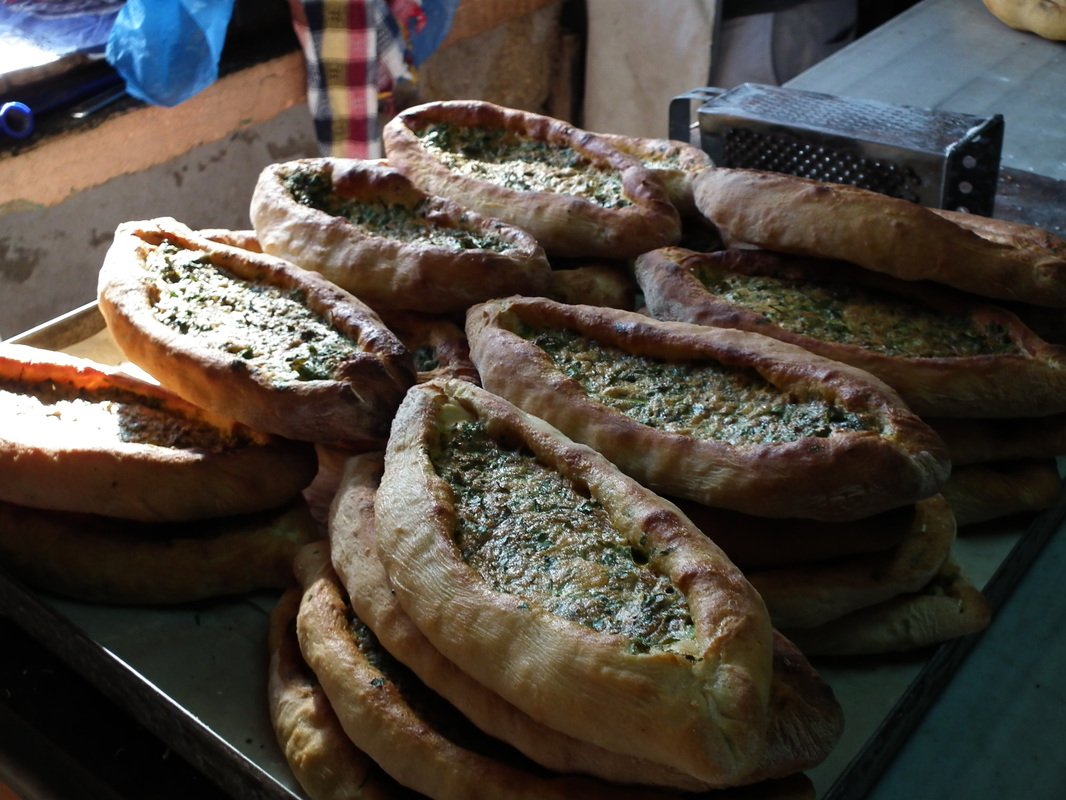
Tengül, one of Ödemiş’s signature pastries
|
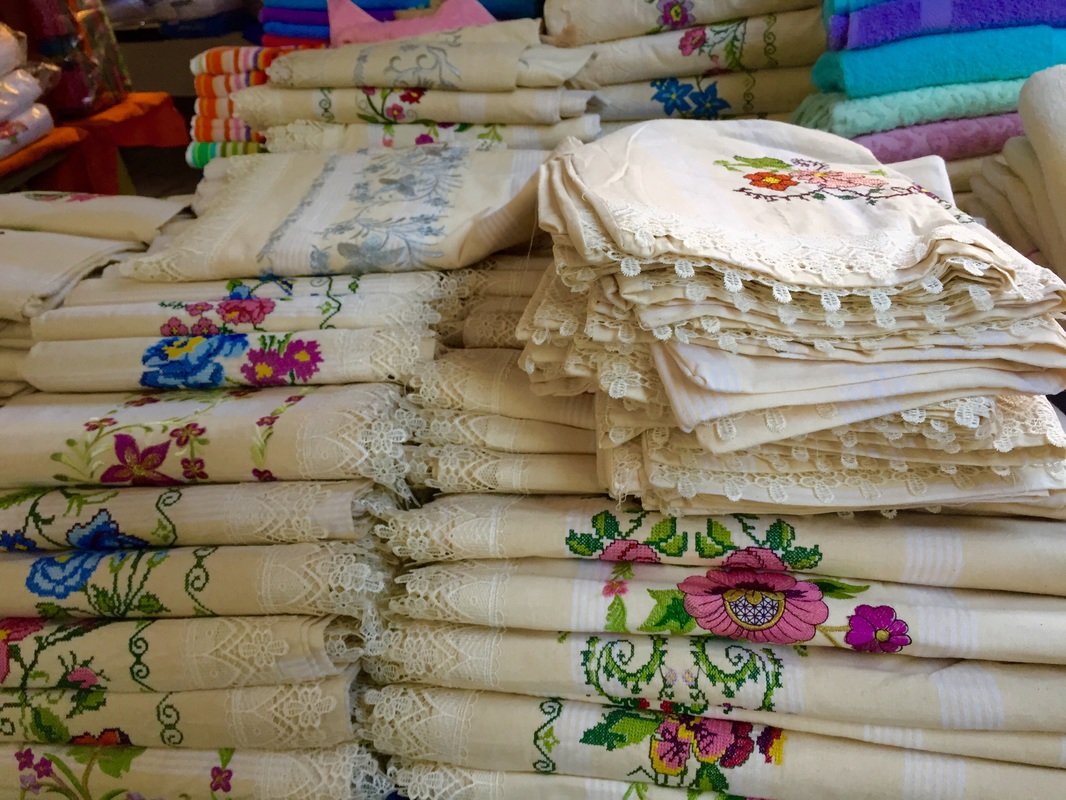
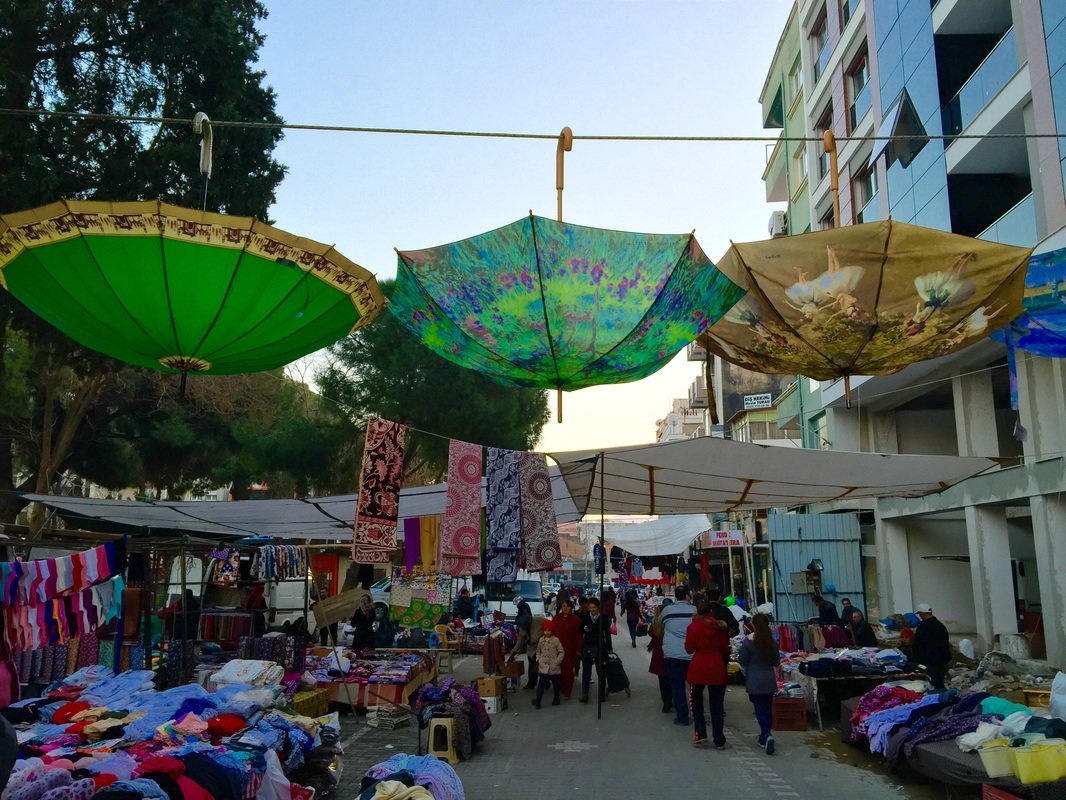
Leaving Dostol, we entered Tayyare Park to revive Tuğçe’s childhood memories. A full-size aircraft is displayed in the park. Local accounts connect it with a remarkable campaign between 1927 and 1934, when residents of Ödemiş raised money to donate aircraft to the Turkish Aeronautical Association and the air force. The historic Tayyare building in the park also takes its name from that period. Today the park and its women’s handicraft market remain valuable pieces of the town’s civic memory, although the detailed story attached to the displayed aircraft should be treated as local history rather than a verified aircraft record.
|
|
From 1934 onwards, the building housed several institutions. In Tuğçe’s memory it was Halep Pastanesi, famous for magnificent chocolate pudding. We were briefly sad to discover that the bakery had closed and the metropolitan municipality had moved in. Fortunately, Hüseyin Abi—who had been selling şambali and halepişi in front of the building for roughly twenty years when we visited—saved the day. One was not enough; ten minutes later we returned with another group and ate a second round.
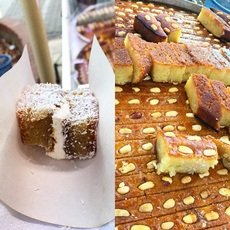
Halepişi on the left, şambali on the right
|
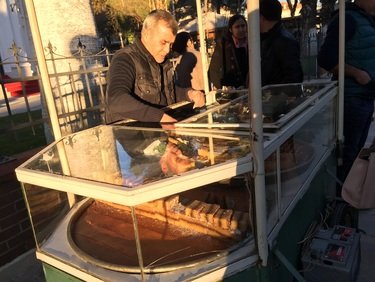
Hüseyin Abi at work
|
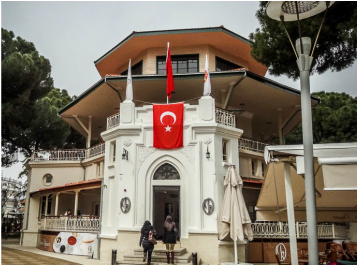
The Tayyare building. Photograph: www.caglar.ca
|
After wandering around a little longer, we boarded the bus and returned home with our potatoes, noodles and memories of that delicious halepişi :)
If You Have Upcoming Travel Plans...
When you make a purchase by clicking our links, we get to earn a small commission but you still pay the same price. So, it's a win-win for everyone!

Book hotels via Booking.com
|

Find Cheap Flights via Skyscanner
|

Get a Travel Insurance via World Nomads
|

Make International Money Transfer via Wise
|

Book Tours & Attractions via Getyourguide
|

Book a Cruise
|

Book Bus/Ferry/Train/Transfer via 12goAsia
|

Find free accommodation in exchange for petsitting
|