DÜSSELDORF
Updated August 2026: This article describes our 2016 trip. Prices, restaurant details and transport advice are historical. AtlasGlobal ceased operations in 2020 and should be ignored in the original flight list. Düsseldorf Airport currently has two rail stations: S11 serves the terminal station, while other regional and long-distance trains use Düsseldorf Flughafen station with a SkyTrain connection. Check the airport’s official rail guide and live airline schedules before travelling.
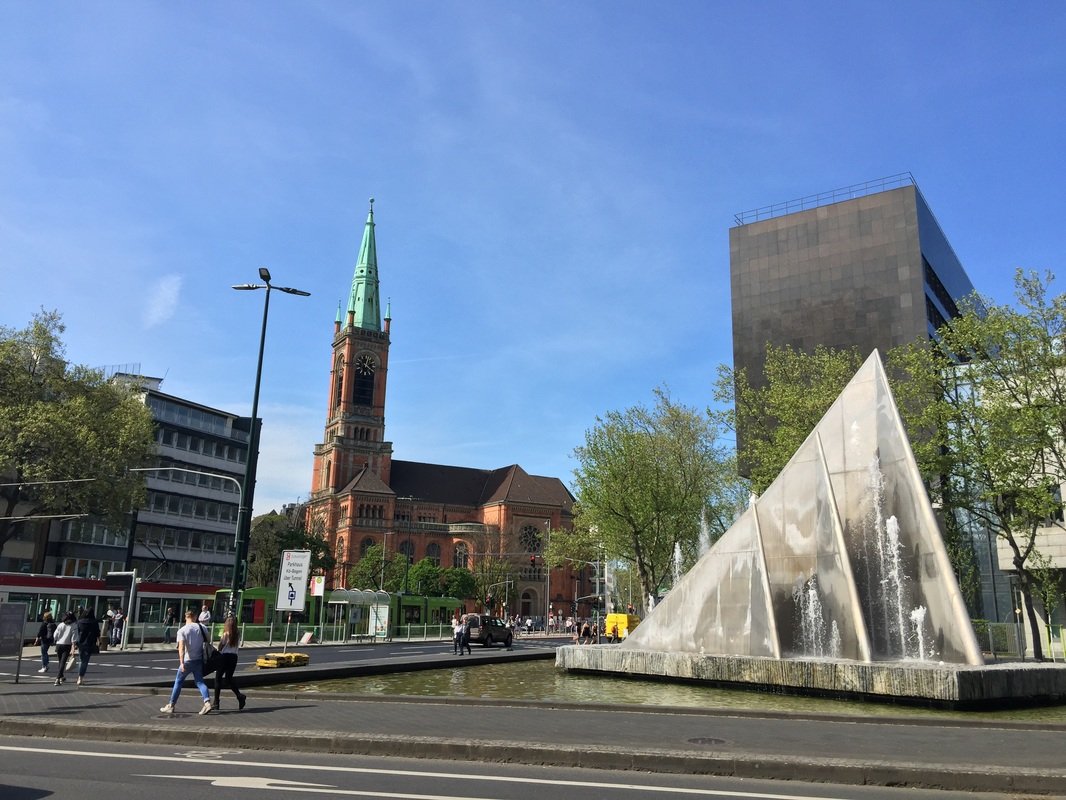
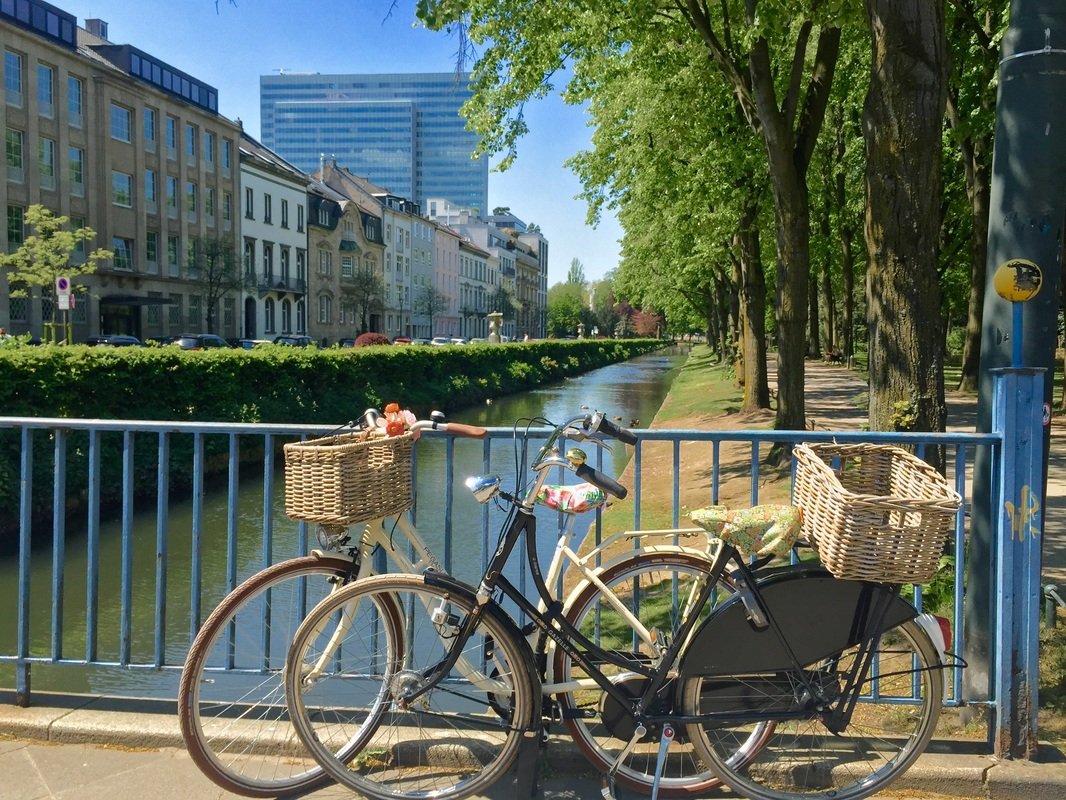
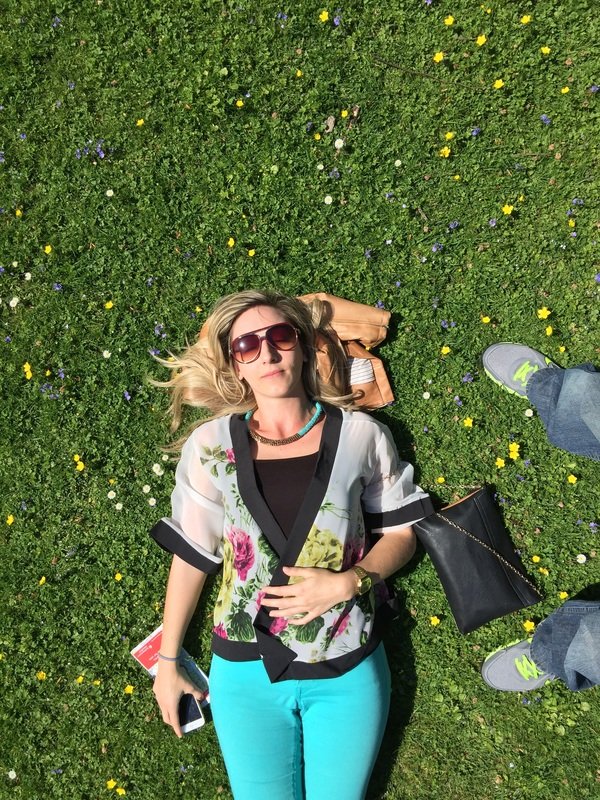
Because our birthdays are only two days apart, we have made it a tradition to travel during the first week of May every year. Our 2016 destination was Düsseldorf, Germany.Before we arrived, everyone told us the city was boring and that we should go to Cologne instead. We loved it. The wonderful weather probably helped: the day before we came it had been bitterly cold, but spring arrived with us. The city was buzzing, with people filling the bars and cafés or stretching out on the grass beside the river.
 |  |
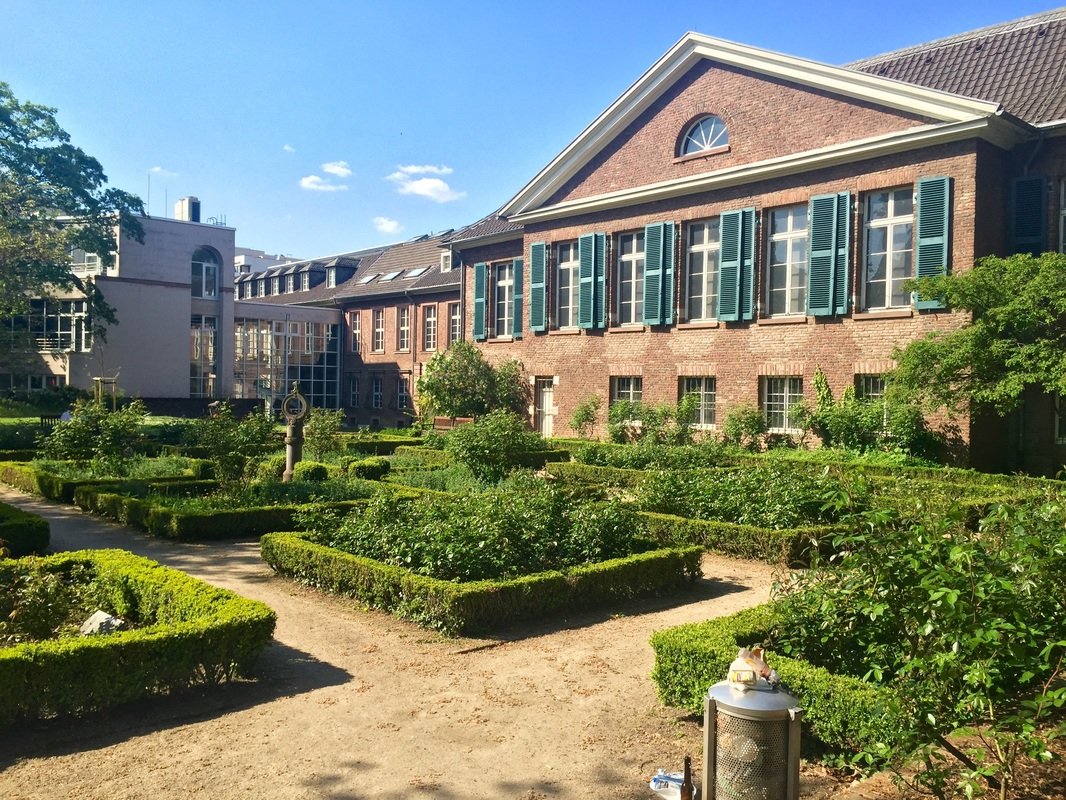
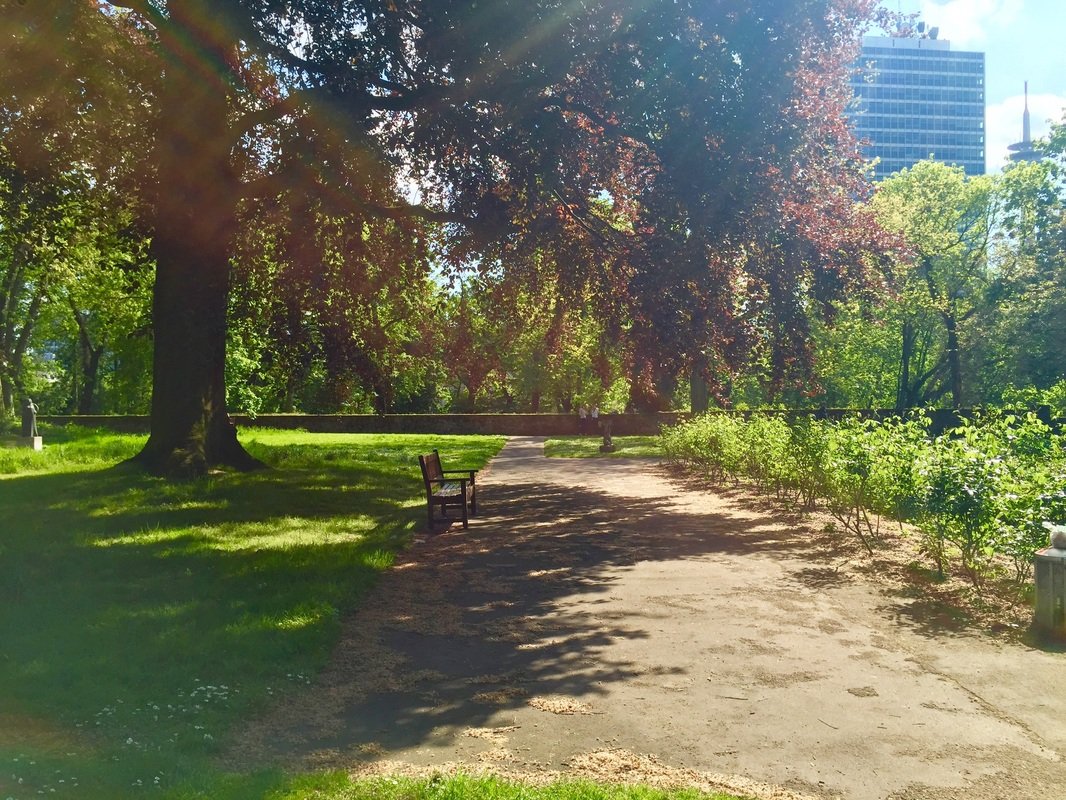
One of Düsseldorf’s great advantages is that tourist favourites such as Amsterdam and Bruges are within roughly an hour or two by fast transport. If Düsseldorf does not win you over, jump on a train and—whoosh—you are somewhere else. Cologne is closest, about half an hour away by train. We used the train, though if you can plan ahead you might also compare ridesharing; European train tickets can be expensive.
 |  |
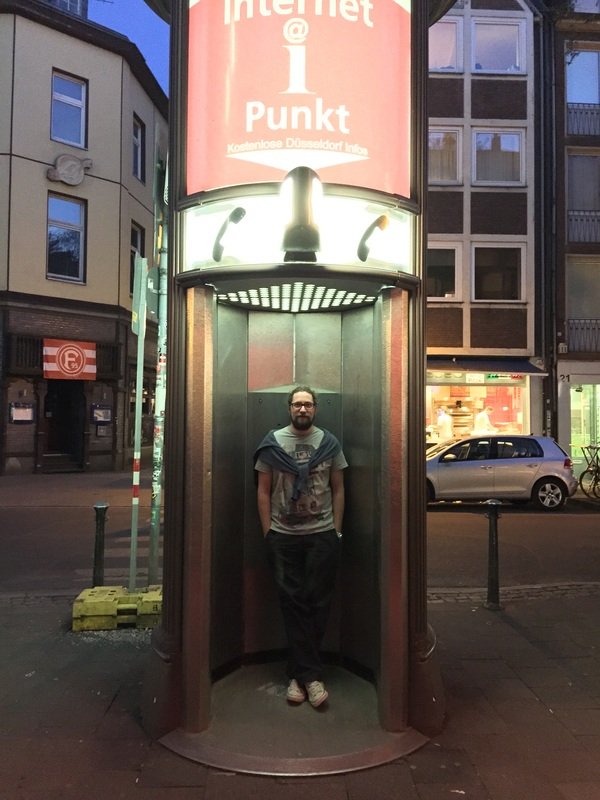
For a short stay, you may not need a local phone or data plan. The city had free municipal Wi-Fi in major squares, and many cafés and restaurants offered their own networks. The only place we struggled was around the Altstadt bar streets, which we solved by walking over to Marktplatz :)
 |  |  |
THINGS TO DO IN DÜSSELDORF
The city is compact and its main sights are close together, making it easy to explore. Spacious parks, gardens and especially the cafés along the Rhine make it a beautiful place to wander.
 |  |  |
ALTSTADT
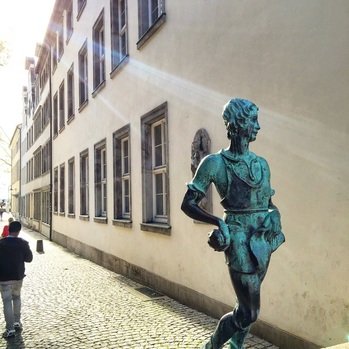
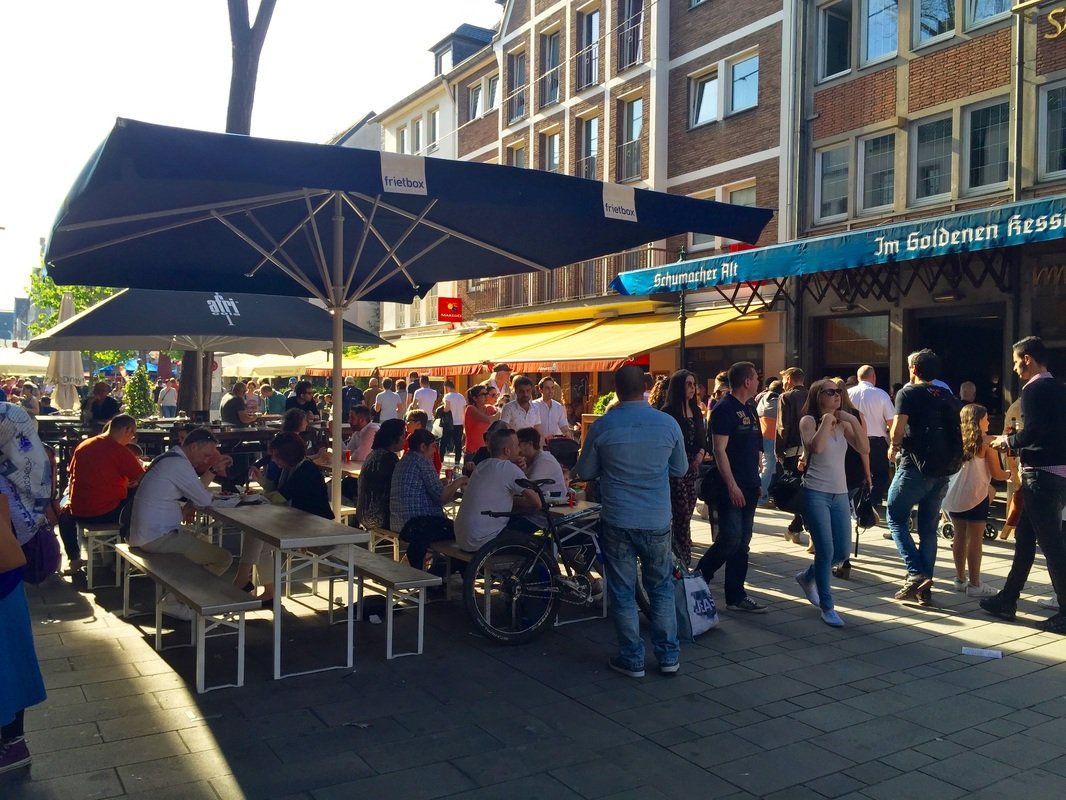
Like almost every old European city, Düsseldorf has a historic centre. It contains the old town hall, St Lambertus Basilica and plenty of other old buildings, but its defining feature may be its claim to the ‘longest bar in the world.’ More than 250 bars and pubs are packed into an area of about one square kilometre. Apparently everyone knew that except us :)When the band Die Toten Hosen dedicated the song Altbierlied to the area, its reputation took off. Some bars serve snacks and others full meals. The local beer is Altbier, a delicious, easy-drinking amber beer. Pair it with sausage and Düsseldorf’s mildly spicy mustard.
 |  |
Another Altstadt landmark is Marktplatz, the setting for Christmas markets and other festivals. Nothing was happening during our visit, but in festival season it is said to become colourful and lively.
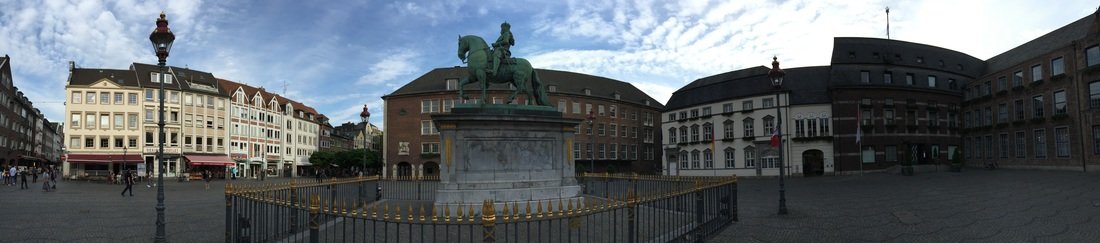
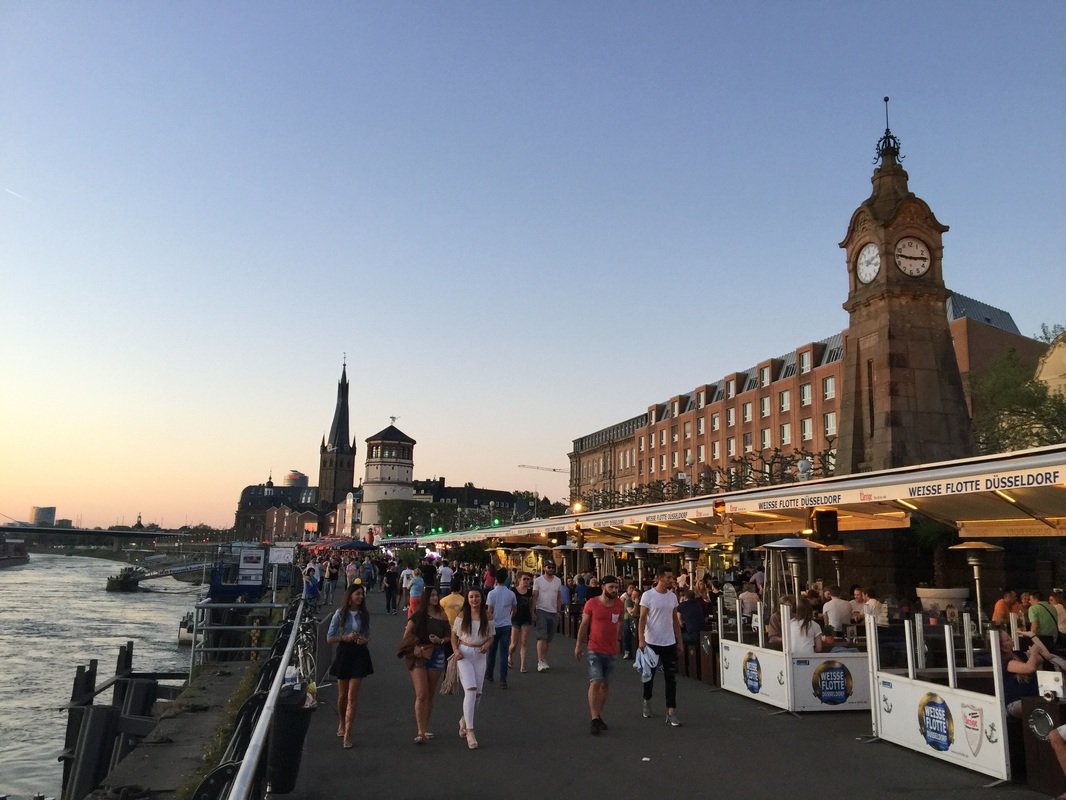
On the square where Altstadt opens toward the Rhine stands the Schlossturm, home to the maritime museum and especially striking when illuminated at night. Restaurants and cafés here serve local dishes featuring sausage and asparagus. We soon discovered how proud Düsseldorf is of its asparagus—they adore it.
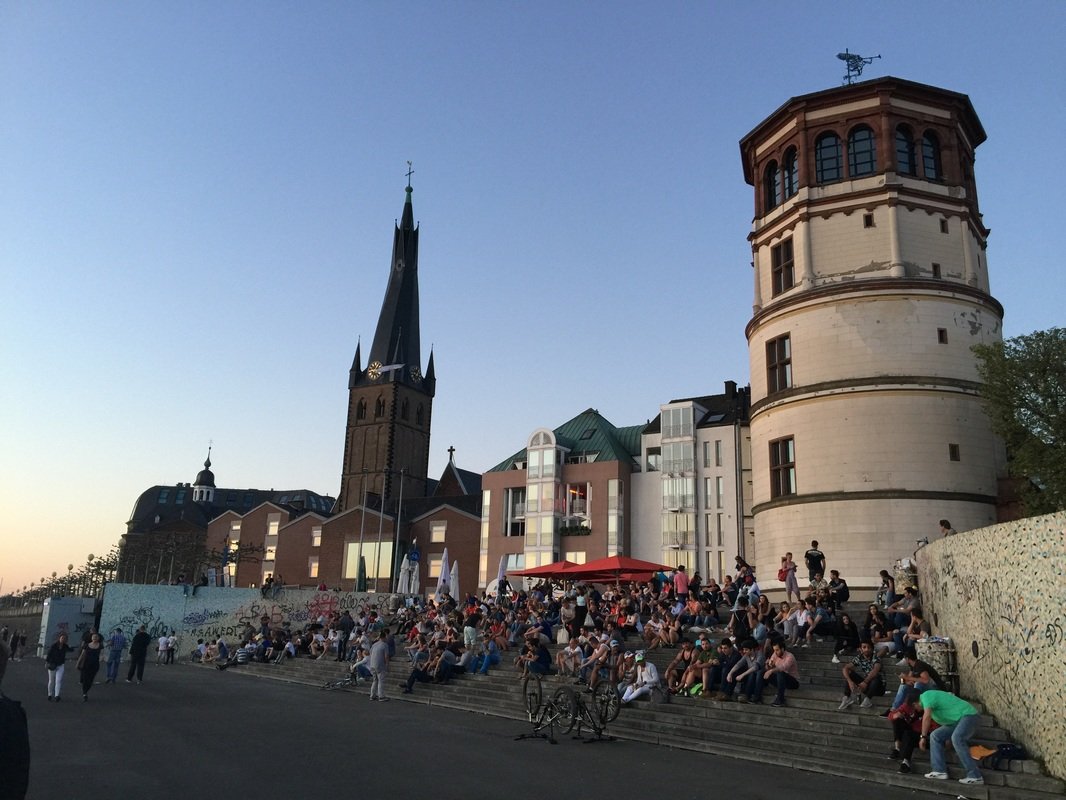 | 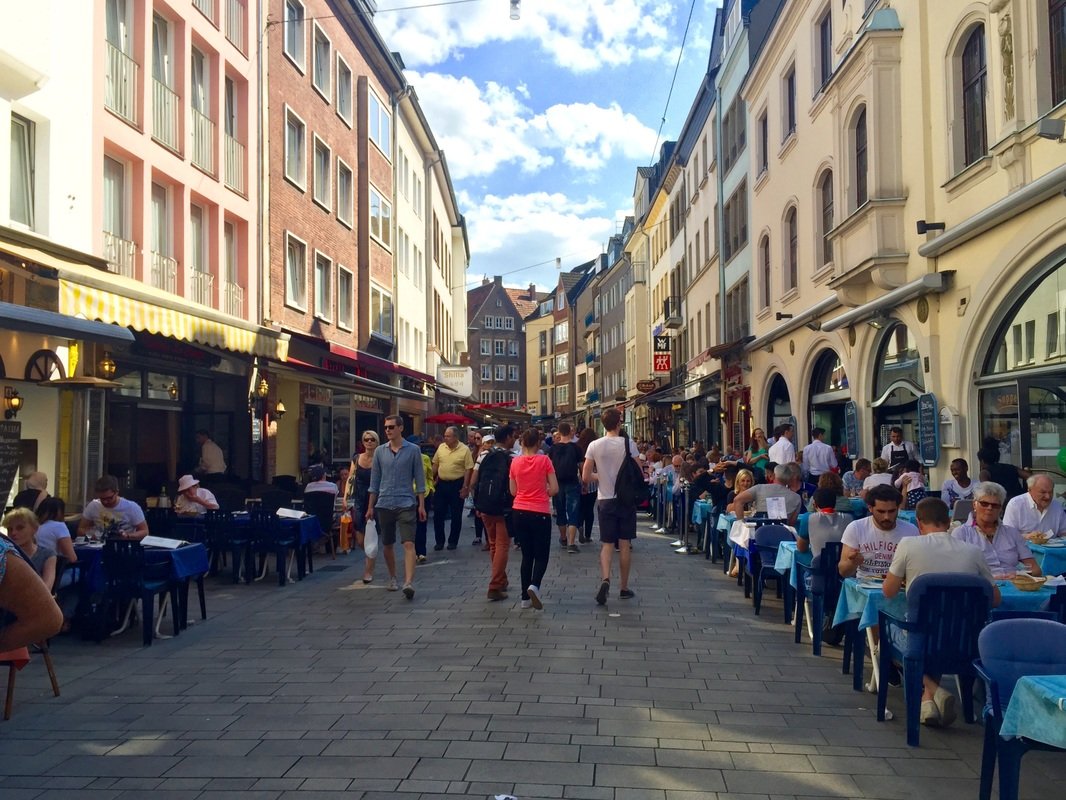 |
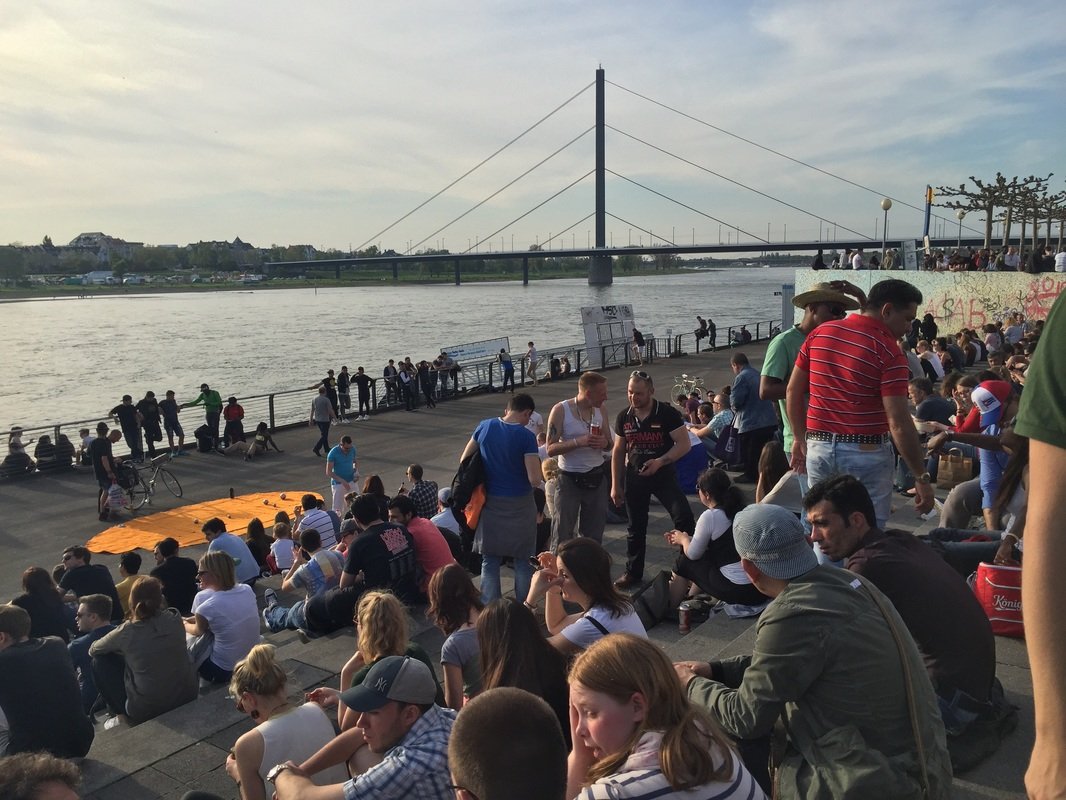
Because darkness falls later here than at home, you can linger for hours over an asparagus dish and an Altbier. When you are ready to move, head to the Rheintreppen, the Rhine Steps, and watch the street performers. We mostly encountered African dance groups, though many kinds of acts perform there.
 |  |
KÖNIGSALLEE
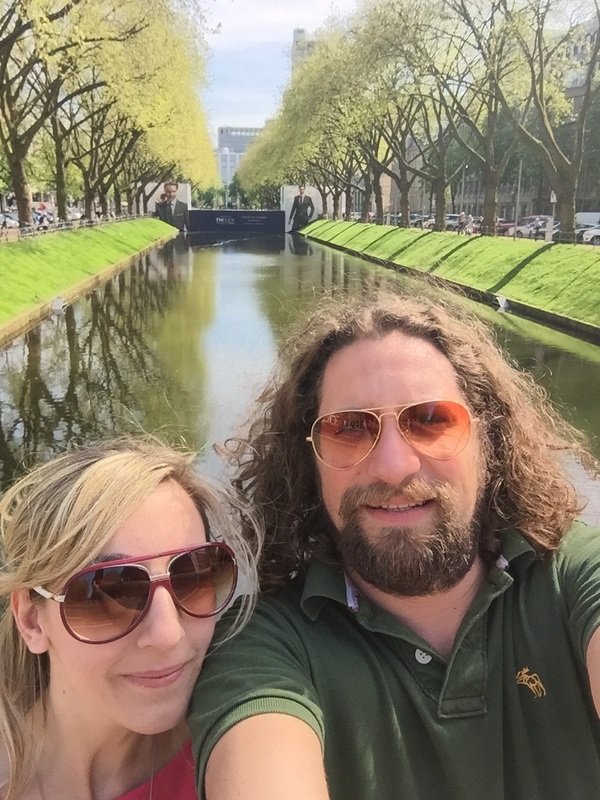
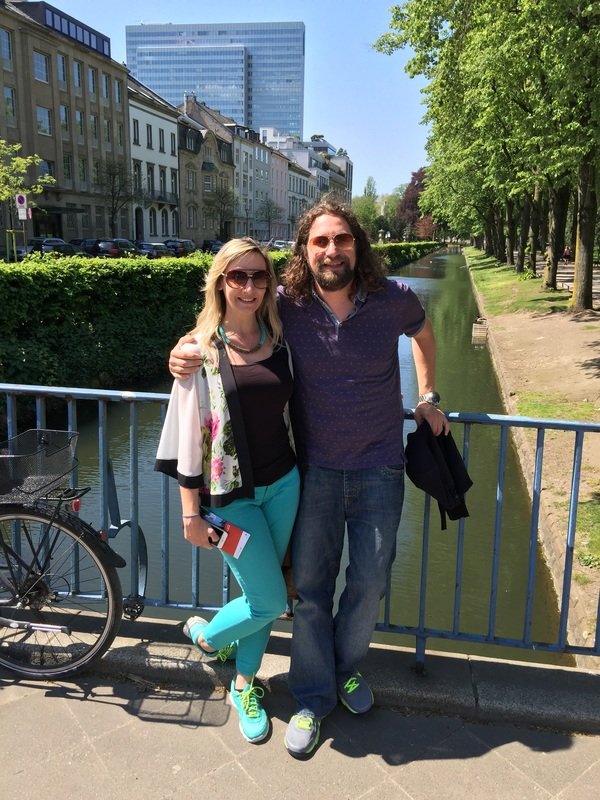
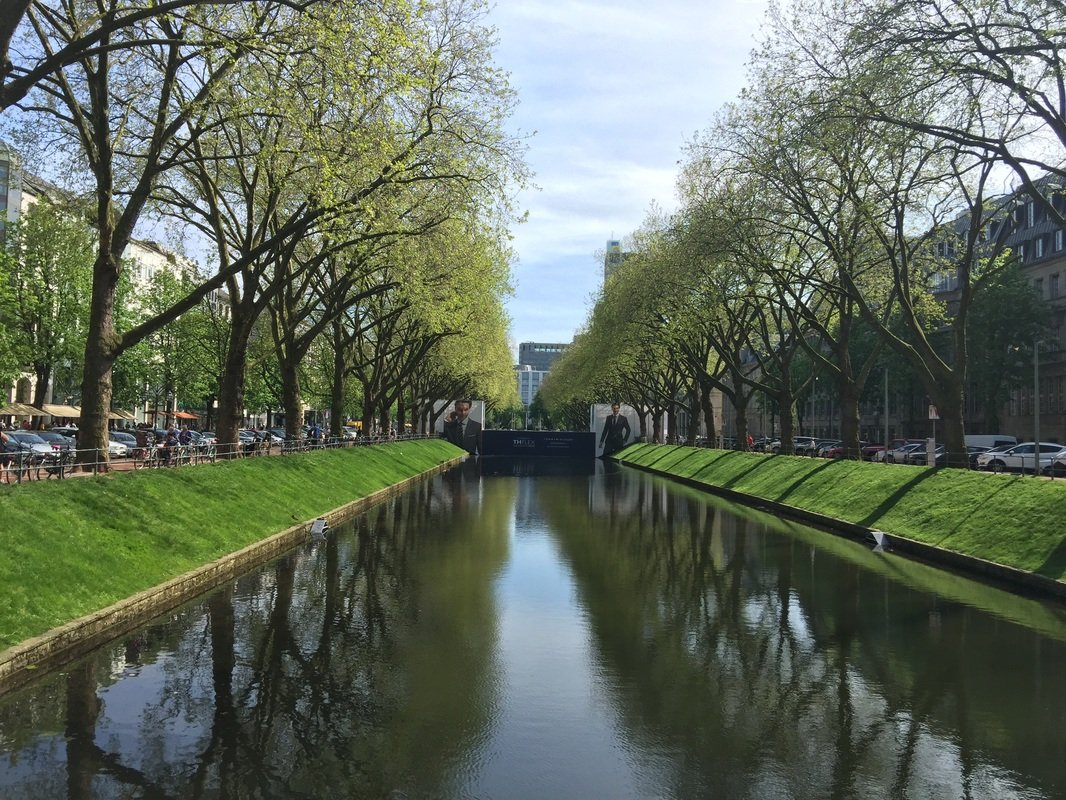
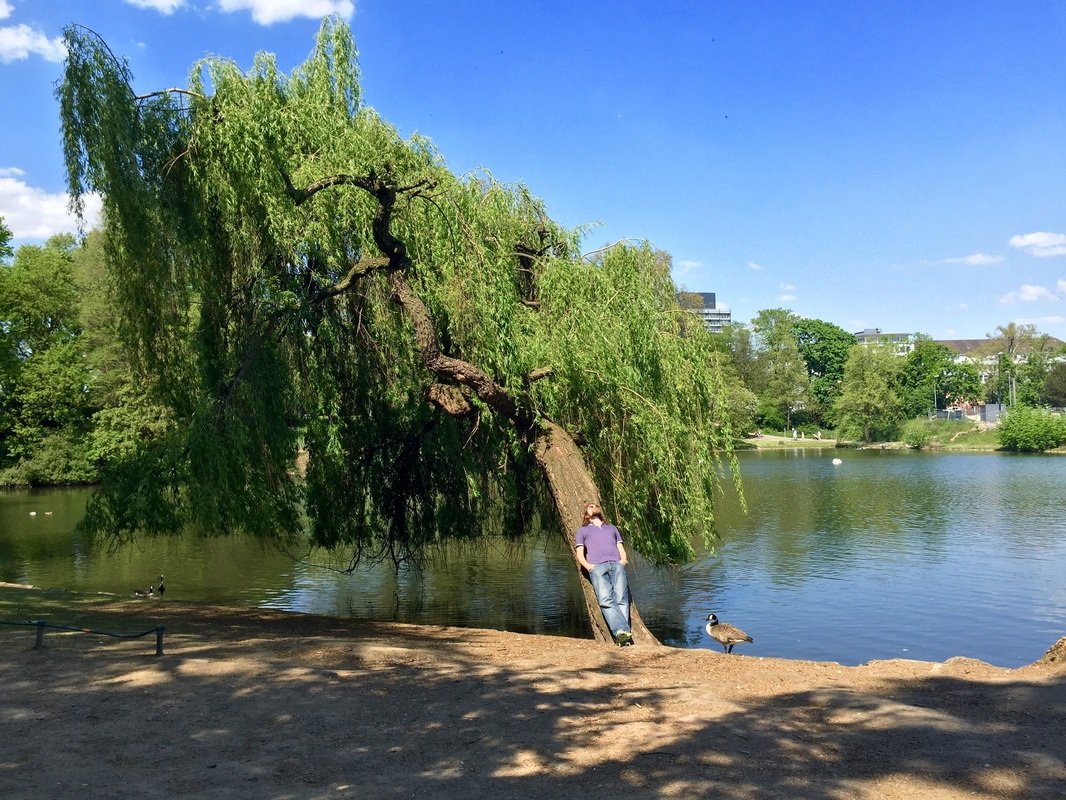
This is Düsseldorf’s answer to İzmir’s Alsancak or Istanbul’s Etiler, except that a canal runs down the middle between lush lawns. On a spring day the view is irresistible. Walk from one end to the other and you reach a lovely park, opposite a futuristic shopping centre built into the heart of the historic city.
 | 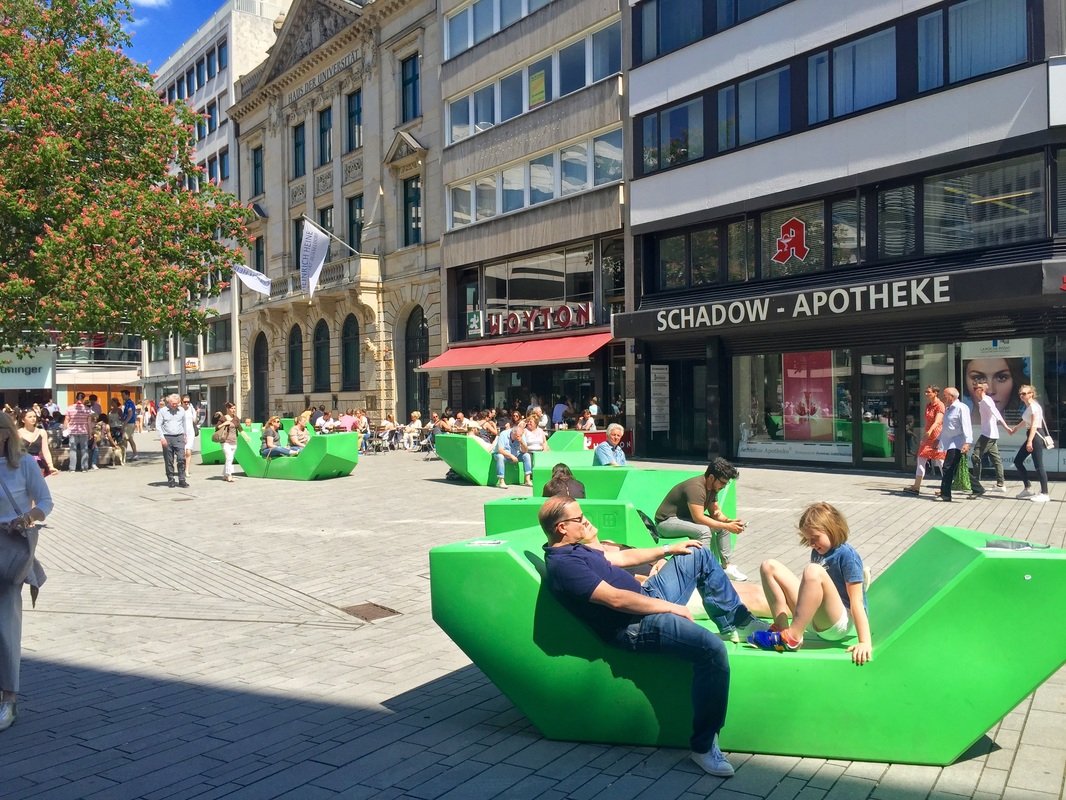 |
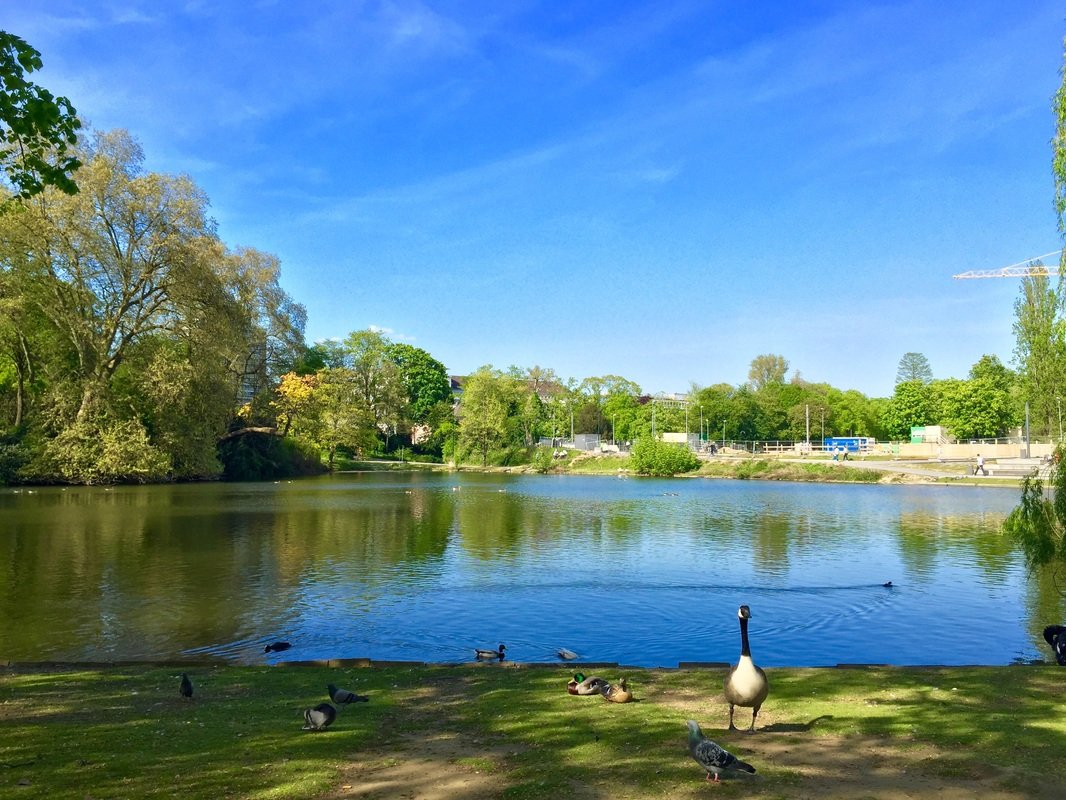
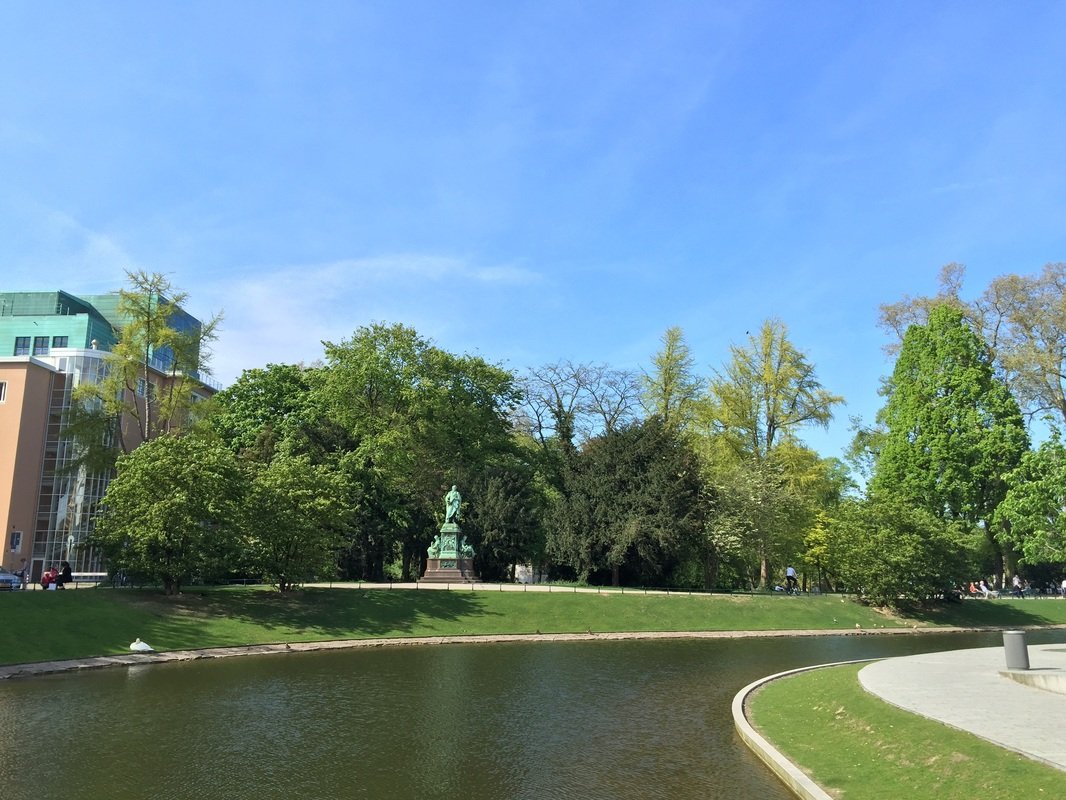
Düsseldorf is small enough that you are unlikely to miss this area. Even if you are not shopping at Kö-Bogen, rest in the park opposite, stretch out on a bench by the pond and watch the birds dive toward the water. We do this wherever we travel: if you never slow down and absorb a city’s atmosphere, what was the point of going all that way? :)
 |  |
KÖ-BOGEN
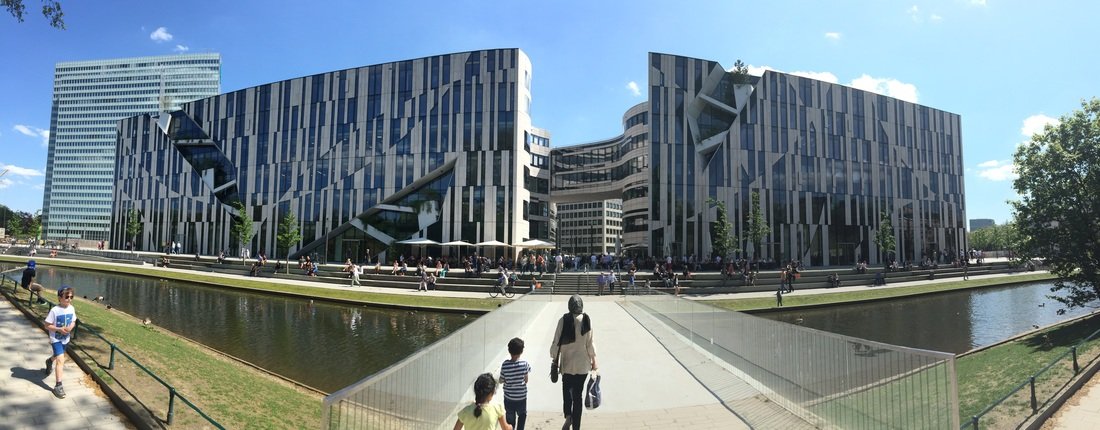
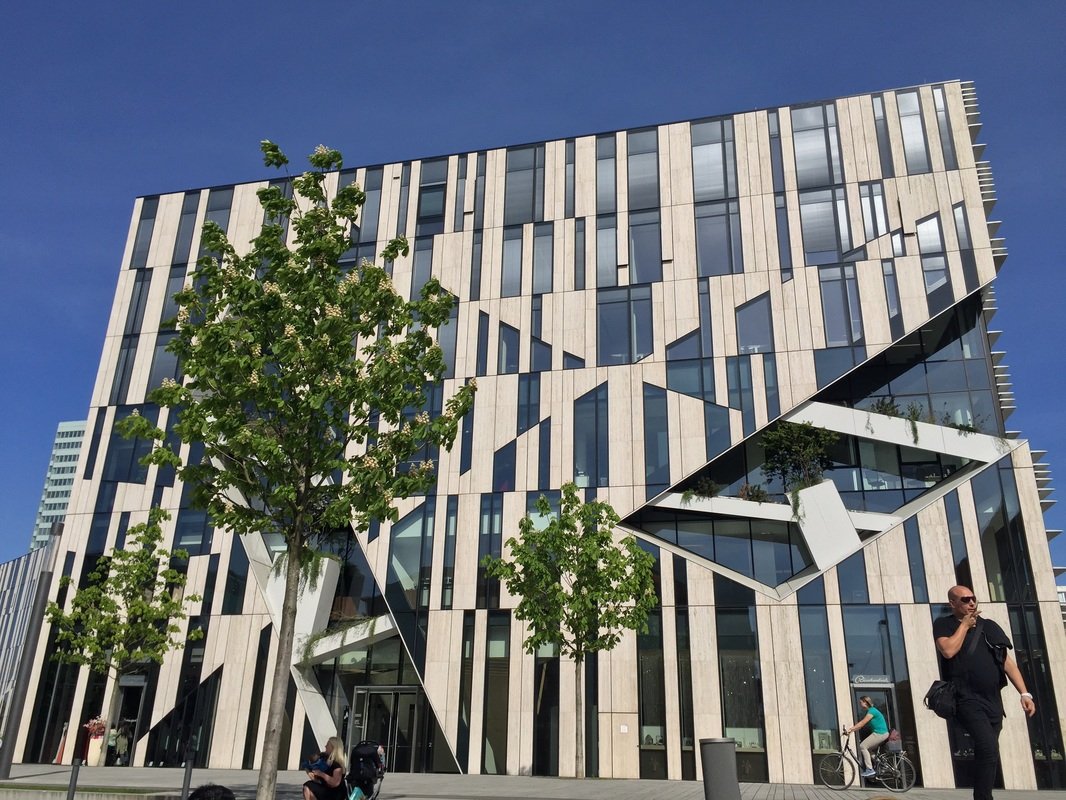
Built from steel and natural stone in the city centre, Kö-Bogen does not entirely match its surroundings yet looks elegant where it stands. Two separate buildings frame cafés, restaurants and luxury shops, creating a polished shopping destination. Even if you buy nothing, stop for coffee at the Italian restaurant Palio Poccino. The staff were all Italian and greeted us in Italian—do not be surprised :)
 |  |
CARLSTADT
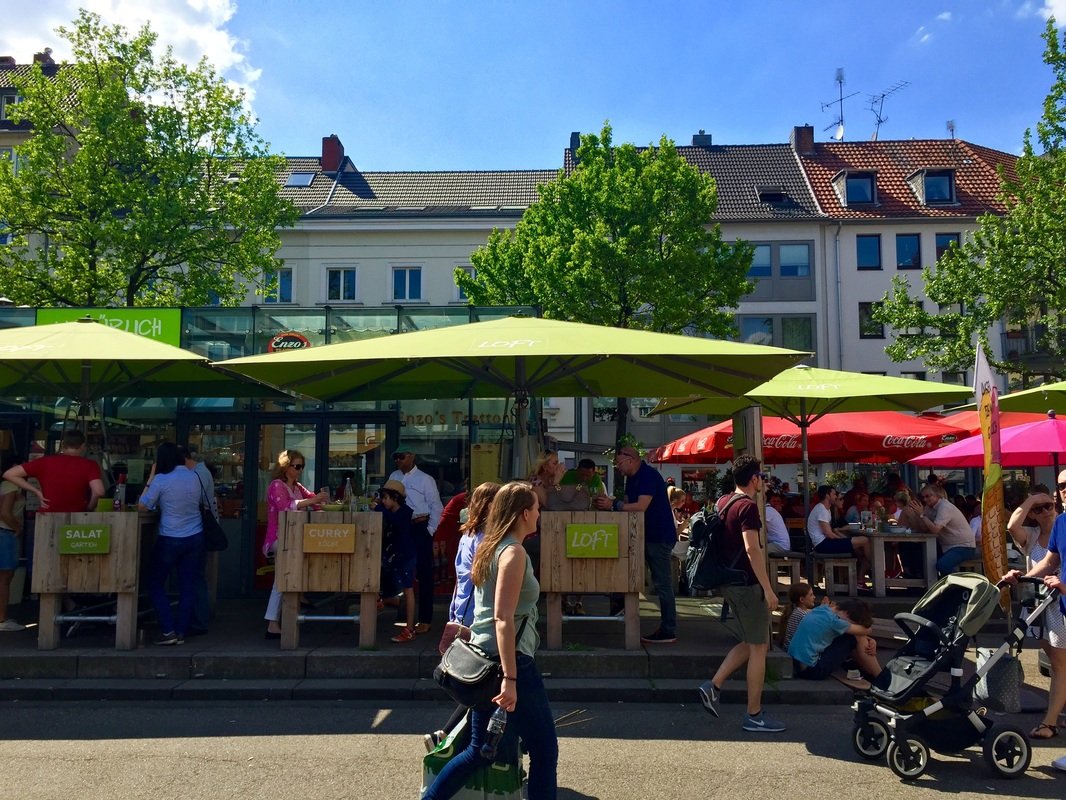
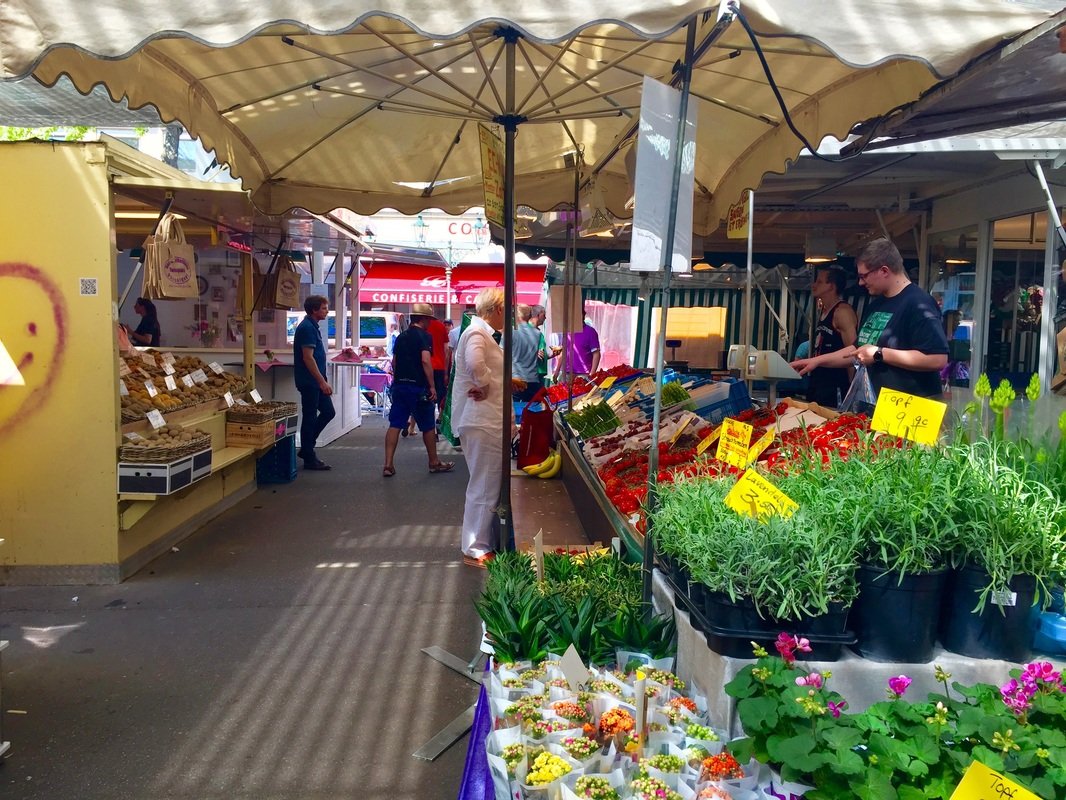
Carlstadt is less than a ten-minute walk from Altstadt. Besides its small shops and cafés, it is famous for the market held at Carlsplatz from Monday to Saturday. Once a producers’ market, it is now described as a gourmet paradise. We ate one of our tastiest local meals here.
 |  |
THE RHINE
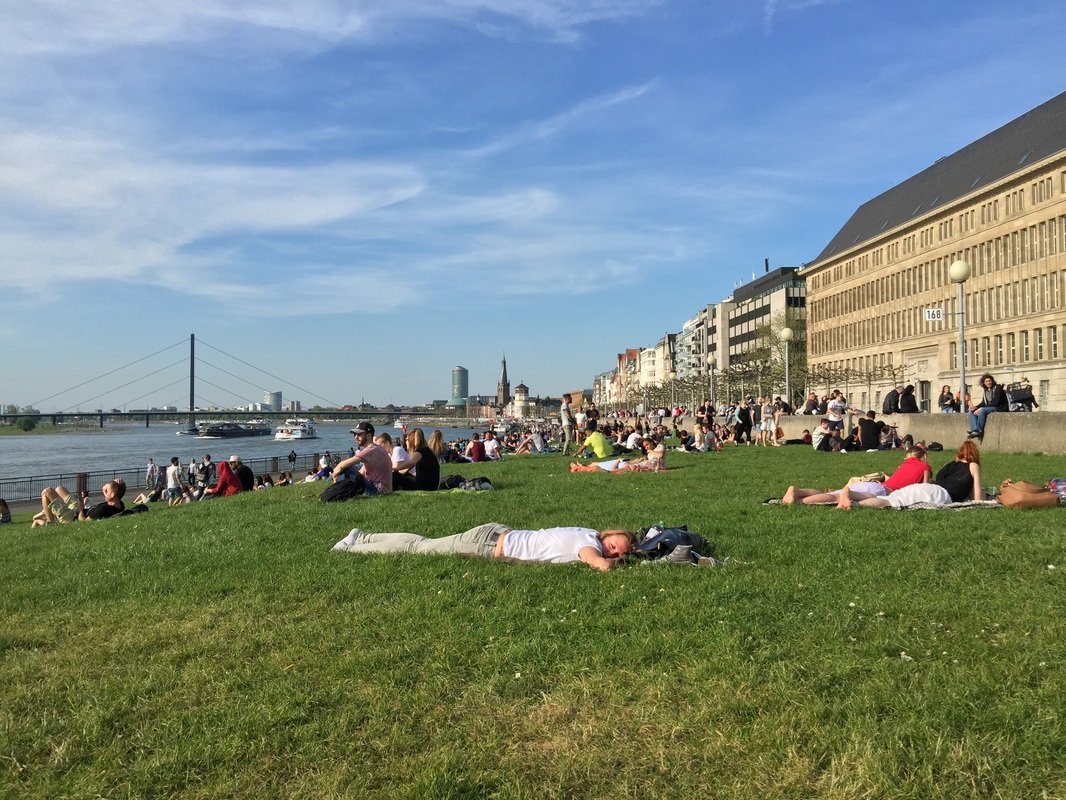
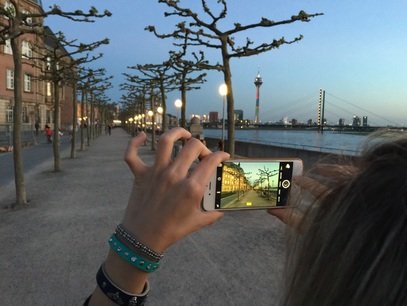
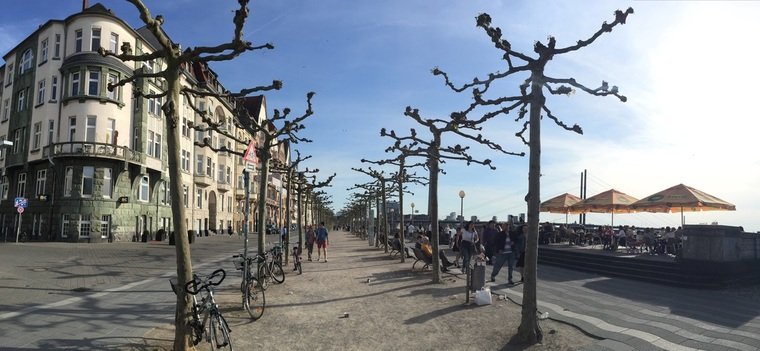
Like many European cities, Düsseldorf owes its existence to its river. The 1,230-km Rhine is a major trade route running through the centre. Walking, running and cycling paths welcome energetic visitors, while excellent cafés and restaurants cater to lazy travellers like us. And at the first hint of sunshine, people hurry to the riverside lawns with hookahs and bikinis.
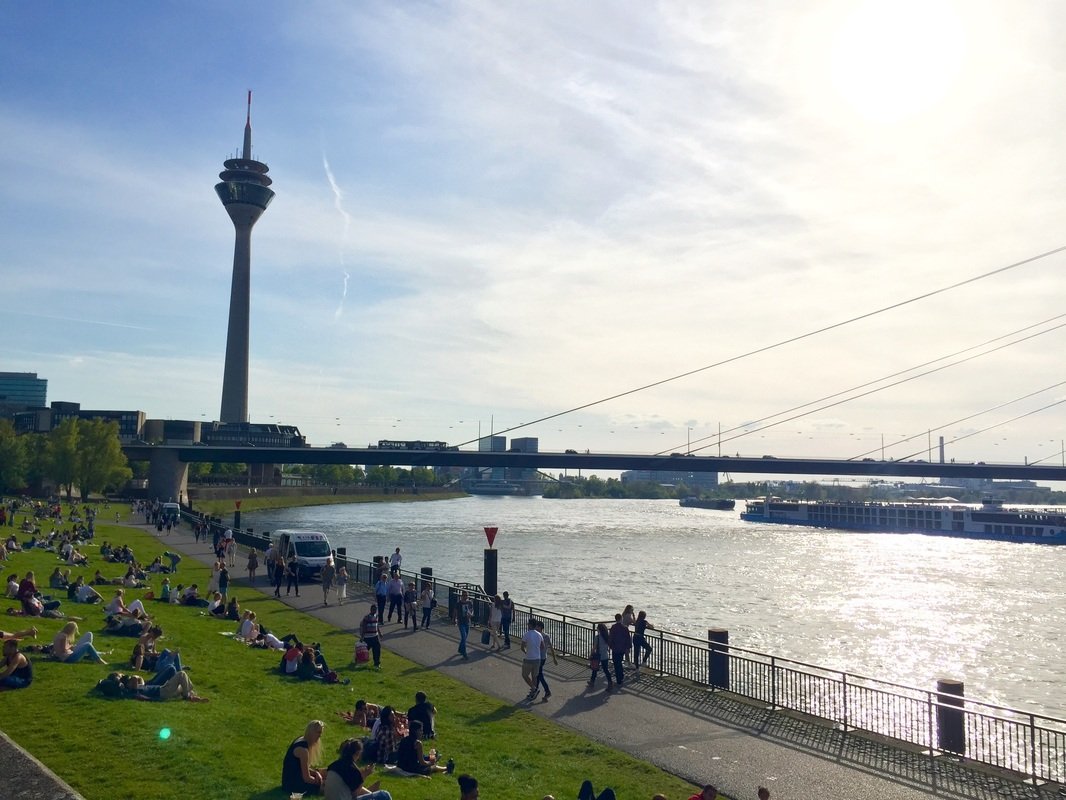 |  |
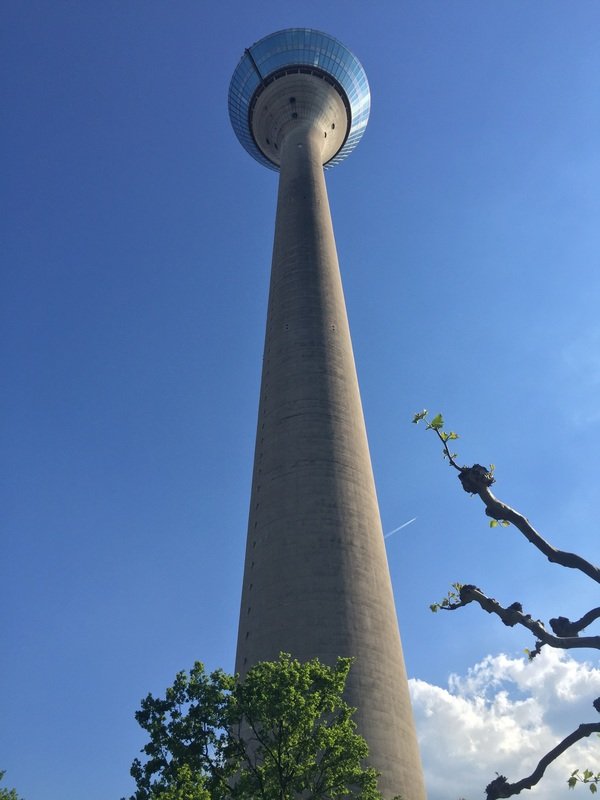
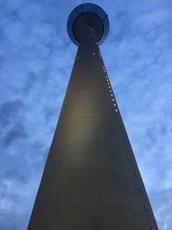
Right beside the Rhine stands the 240-metre Rheinturm television tower, offering panoramic views over Düsseldorf. You can visit simply for the view or reserve a table at its restaurant. The tower also carries Germany’s largest digital clock. Our entire group—including a friend who grew up here—tried and failed to read it. Perhaps you will do better :)
 |  |  |
The Deutsche Oper am Rhein also stands near the river. It is one of Europe’s leading opera companies and was said to stage around forty productions a year. We simply photographed it from afar =).
MEDIENHAFEN
Walking beside the Rhine is an attraction in itself, and eventually brings you to MedienHafen, one of the city’s hippest districts. Locals often recommend it for nightlife. The city redeveloped the old harbour to reconnect it with urban life, and Frank Gehry’s three neighbouring buildings are its most eye-catching landmarks. They look as if they have been beamed in from somewhere else—see Fringe :) The plan clearly worked, as dozens of cafés and restaurants opened around them.
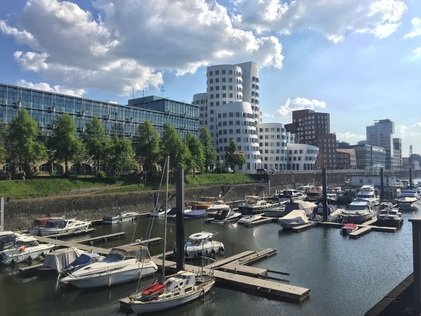 | 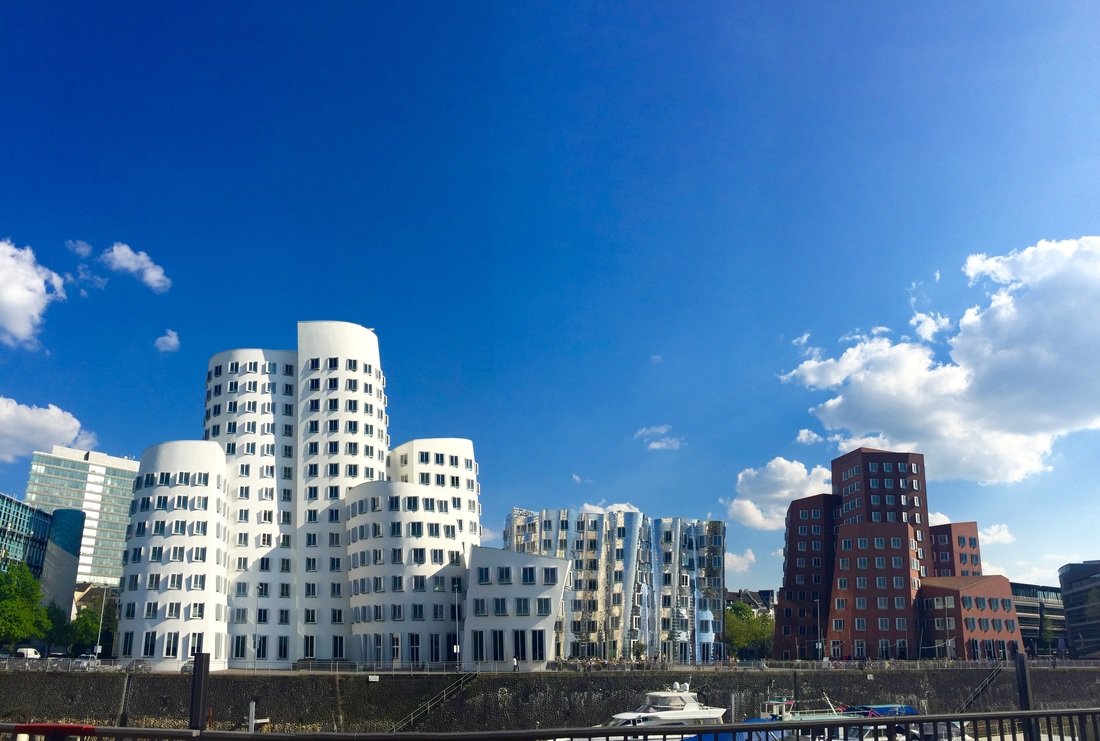 |
After a long riverside walk and dozens of photographs, we rested at Vapiano and learned a very German game from our friends. The restaurant gave each guest an electronic card to keep bills separate. Our friends shuffled the cards and handed them out again, leaving everyone to pay whatever appeared on the card they drew. We almost paid our own bill, though some friends were less lucky :)
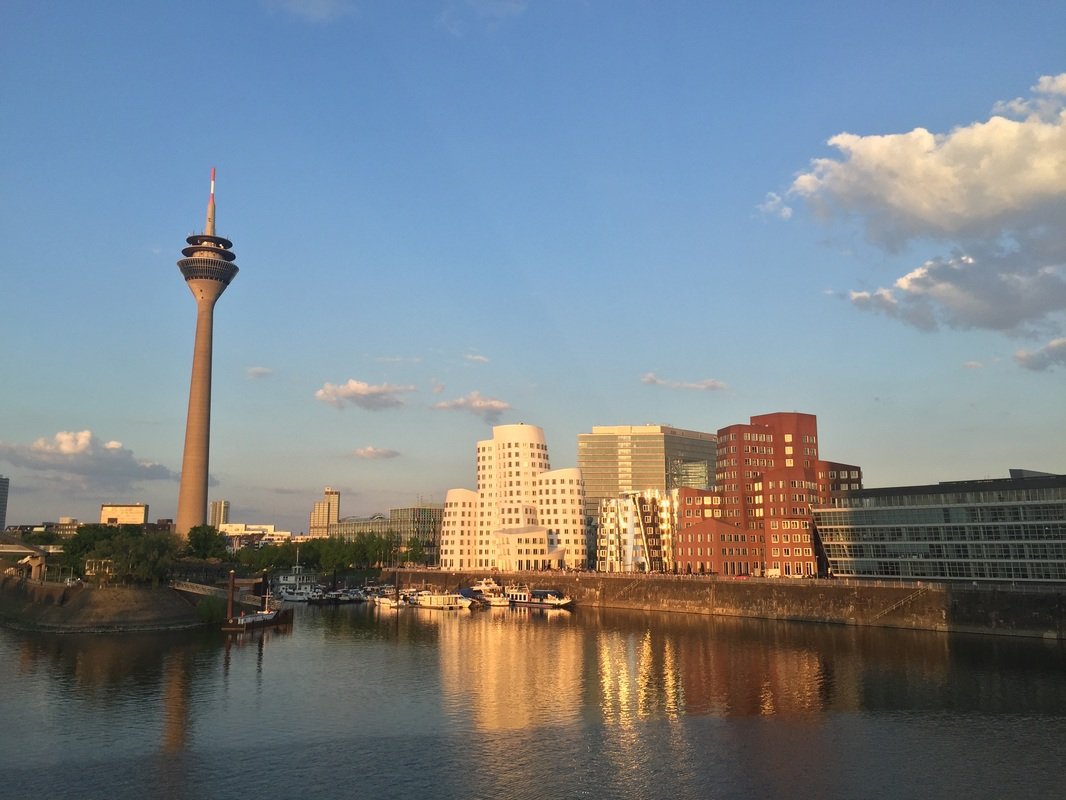 | 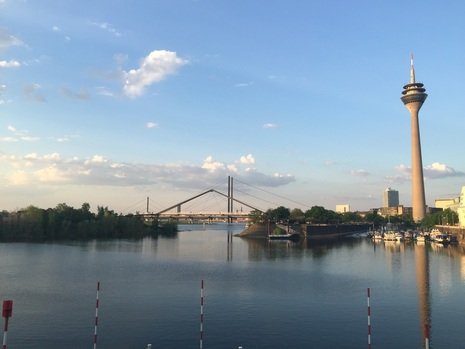 |
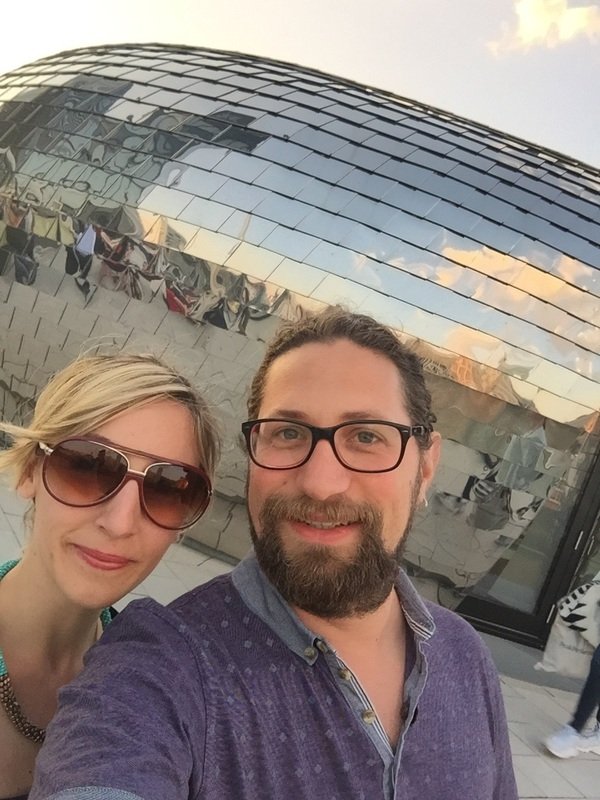
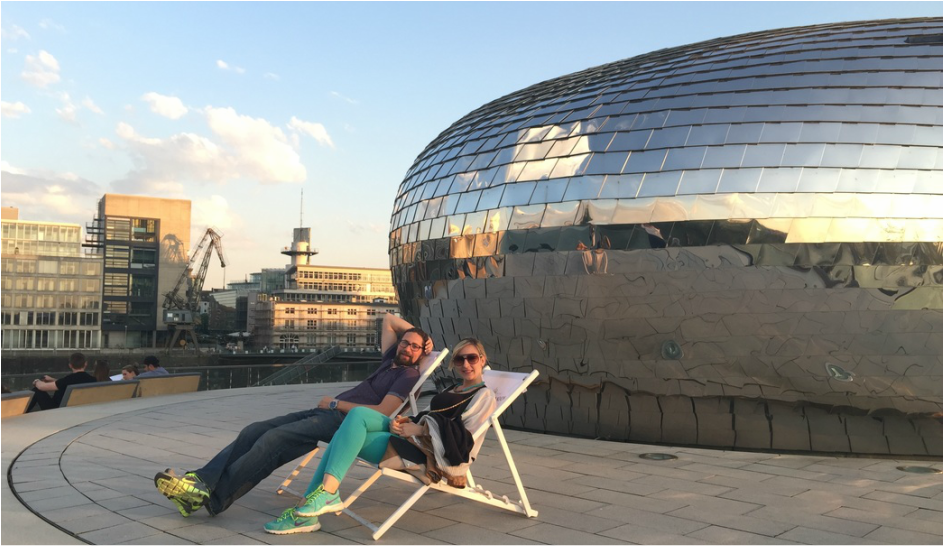
MedienHafen has many appealing venues. One was Pebble’s Terrace, the iconic bar at the Hyatt Regency. True to its name, it is shaped like a pebble, with a shining surface visible from much of the city. The terrace offers superb Rhine and Düsseldorf views. We arrived at sunset and were glad we did—the sunset from here was wonderful.
THE EXACT CENTRE OF DÜSSELDORF
For reasons we could not discover, the city’s geographical midpoint is marked in a residential area. Since we found it, naturally we took a photograph.
DÜSSELDORFER SCHAUSPIELHAUS
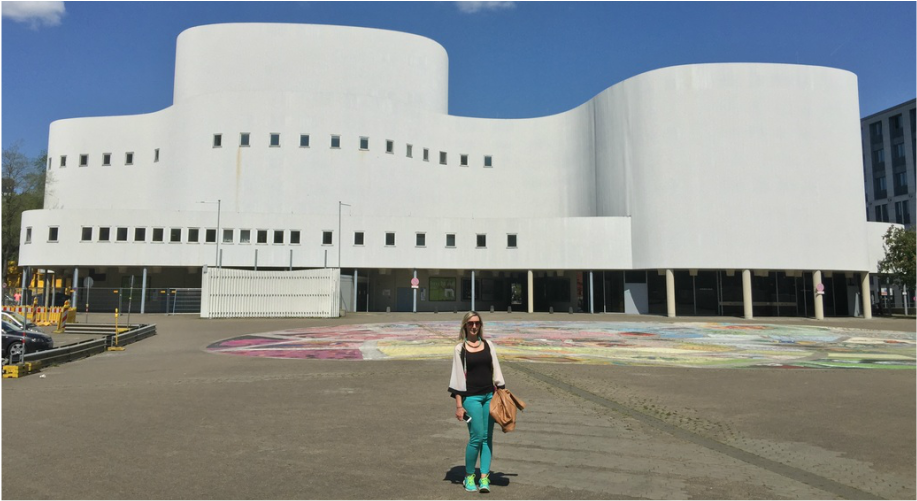
Designed by Bernhard Pfau and opened in 1970, this theatre reminded us a little of the Guggenheim. It is at least as iconic a building.
WHAT TO EAT IN DÜSSELDORF
Visit during asparagus season and you may think it is the city’s staple food; restaurants serve it in countless dishes, and markets sell it fresh. We hoped to try it at Schwan in Altstadt, but they had run out, so we ordered schnitzel and pea soup instead.
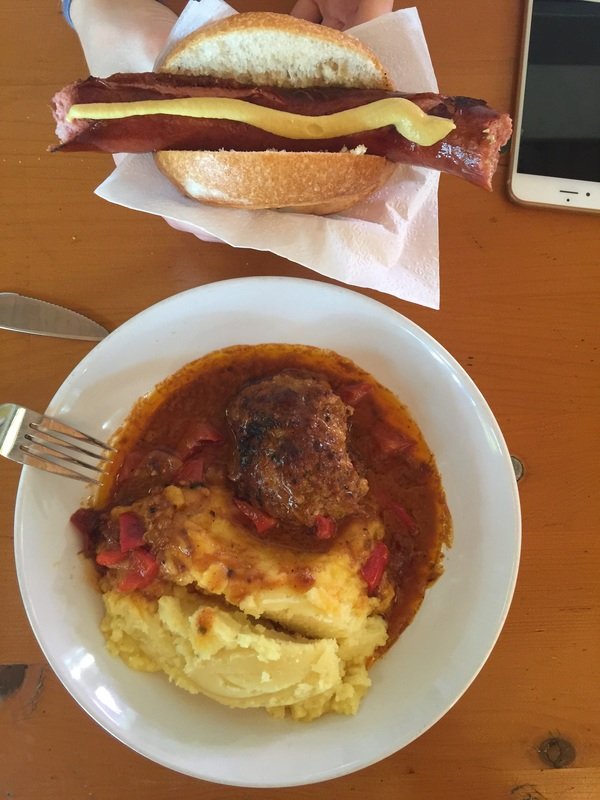 | 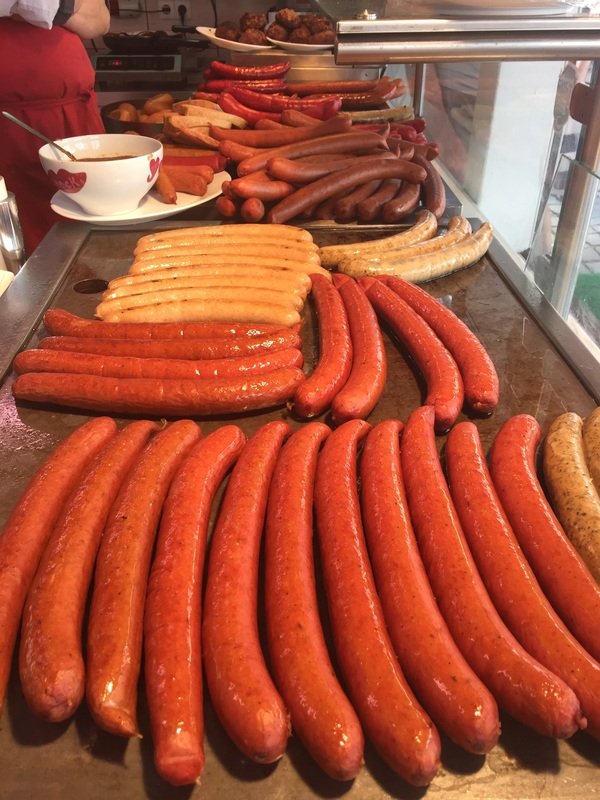 |
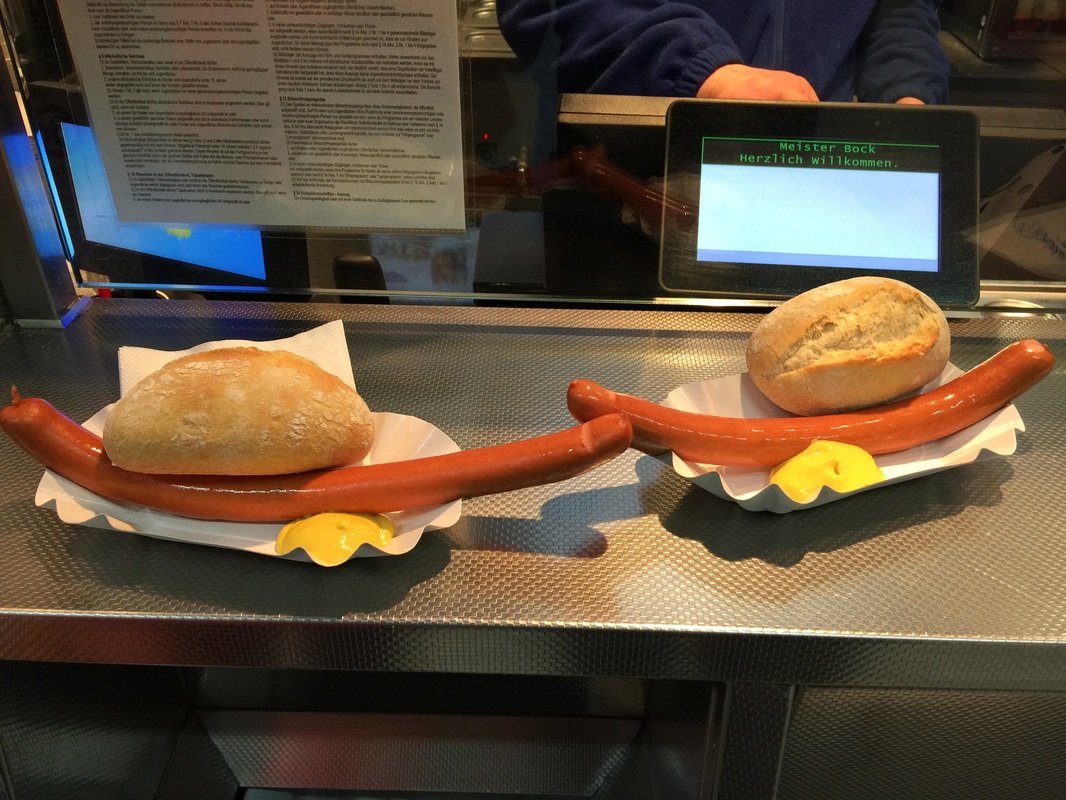
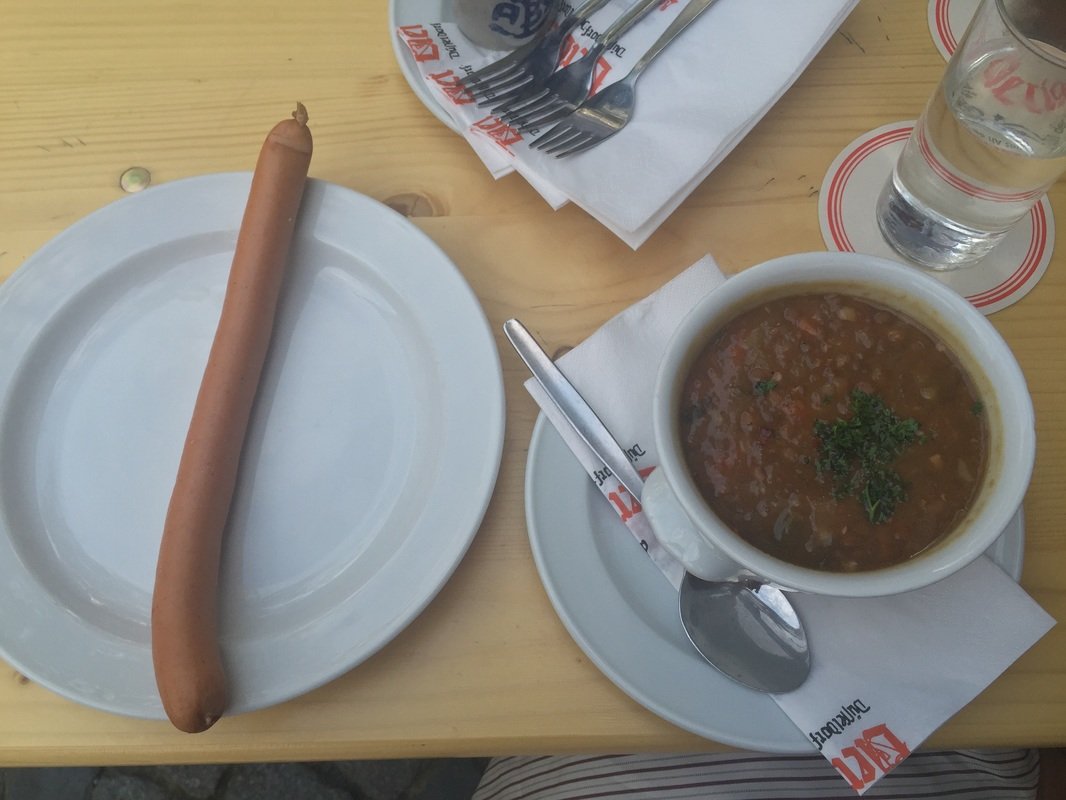
Do try the food stalls and restaurants at Carlsplatz. Sausage carts are everywhere—Germany and sausage are almost inseparable, aren’t they? :) Local restaurants also serve many varieties of sausage alongside homestyle dishes such as lentils and meatballs. If you are not in the mood for German food, the city offers everything from Japanese to Mexican, plus plenty of döner shops.
 |  |
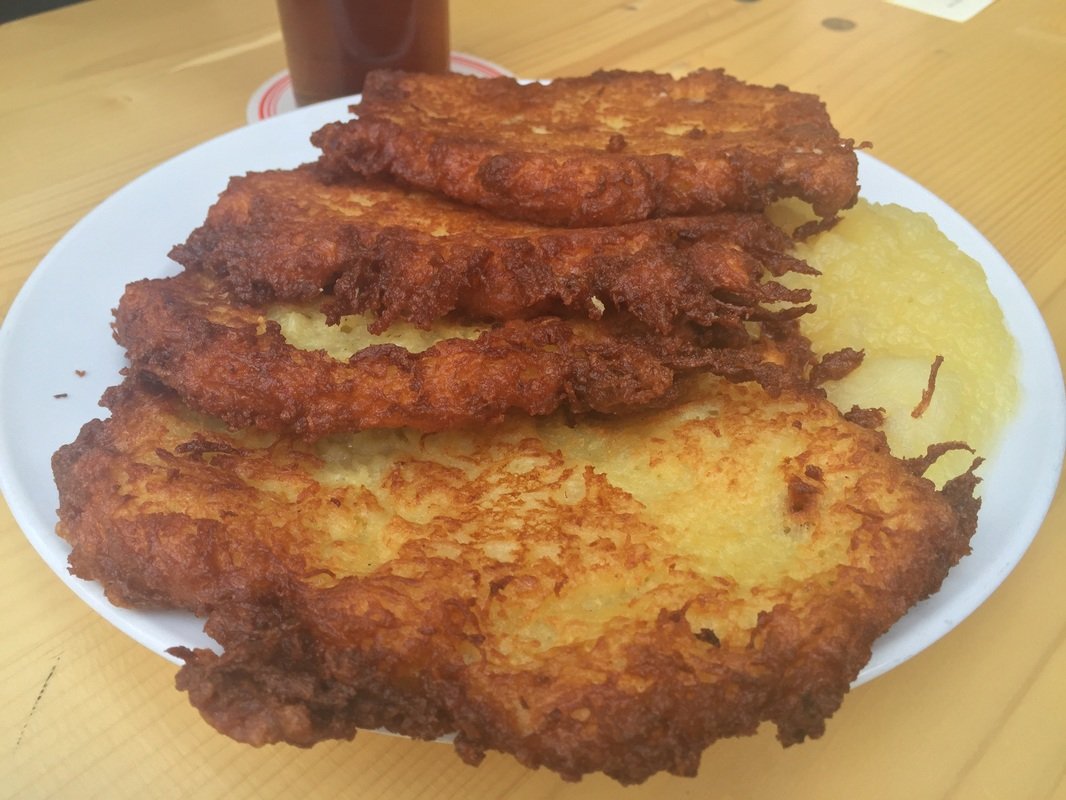
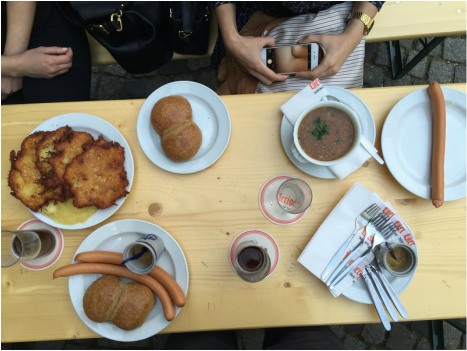
On our final day, we watched in disbelief as potato pancakes arrived with apple sauce. It sounds strange, but tasted surprisingly good.
 |  |
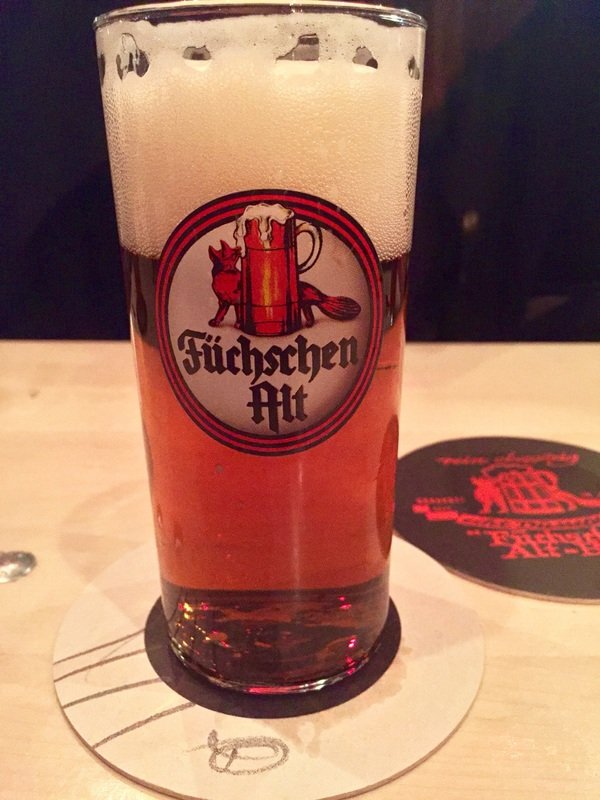
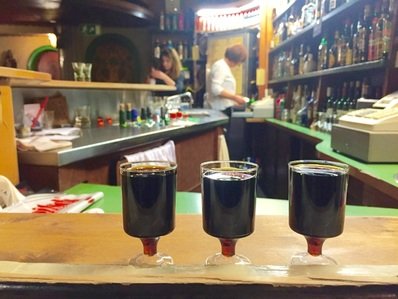
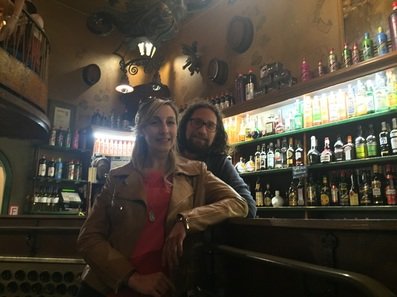
For the strong local herbal liqueur Killepitsch, visit Et Kabüffke, open since 1955. For Altbier, try Im Füchschen, brewing it to the same recipe since 1848.
 |   |
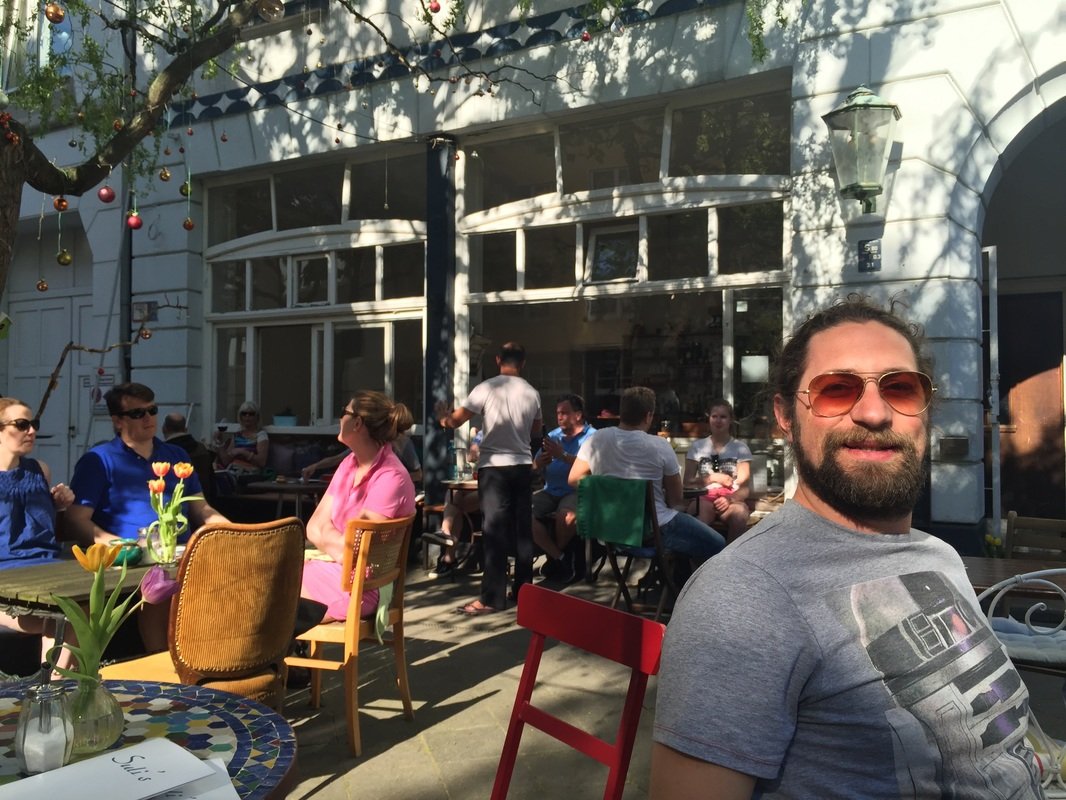
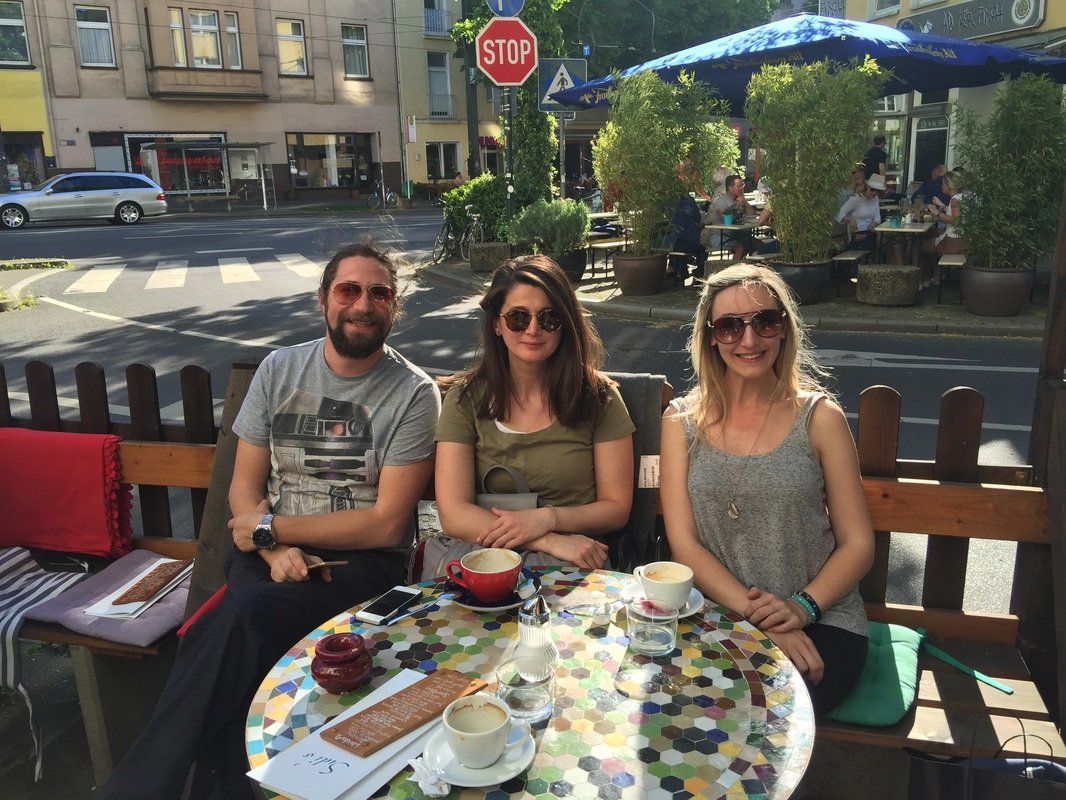
My cousin Didem, who lives in Düsseldorf, took us to Suli’s Café on Tussmannstraße. It was a lovely place for coffee, bright with daylight and thoughtful little details. The Moroccan owner’s influence gave it a warm, intimate character.
 |  |
HOW TO GET TO DÜSSELDORF
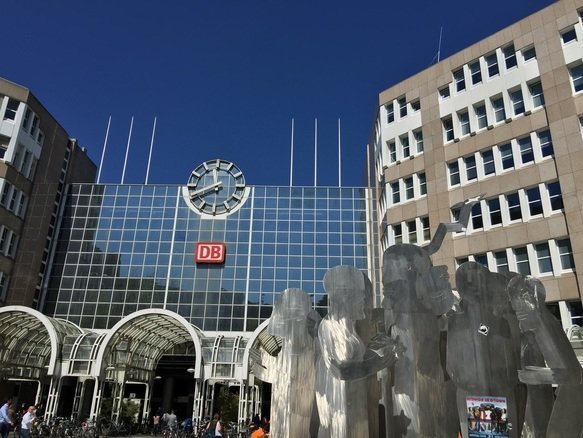
At the time, Turkish Airlines, AtlasGlobal, SunExpress and Pegasus operated selected flights from İzmir, Ankara or Istanbul, making Düsseldorf one of Europe’s easier cities to reach from Turkey. We stayed near Düsseldorf Hauptbahnhof, so after landing we took the S-Bahn and reached the centre in about 25–30 minutes.
WHERE TO STAY IN DÜSSELDORF
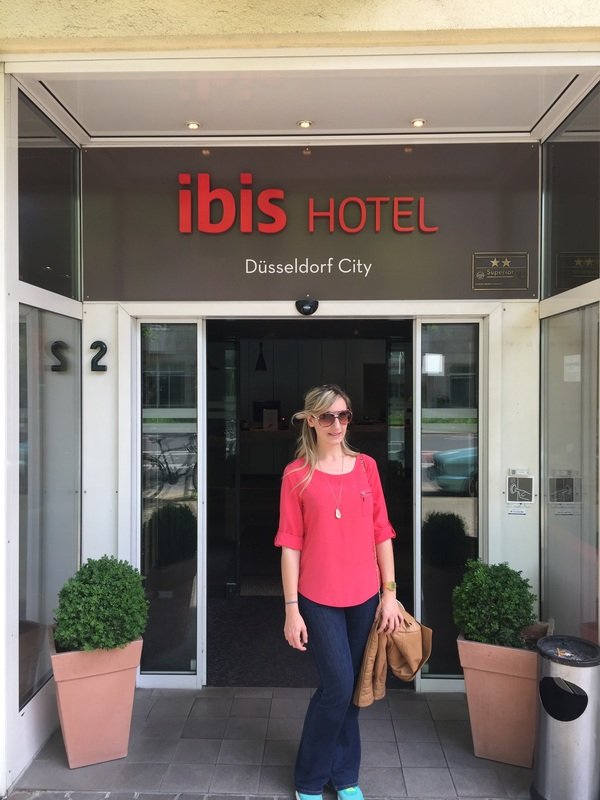
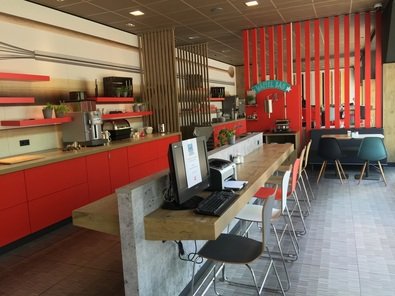
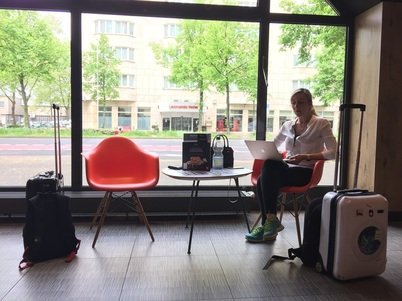
As Germany’s trade-fair city and a fashion centre, Düsseldorf offers accommodation at every level, from luxury hotels such as the Hyatt Regency, Hilton and Sheraton to the familiar ibis chain. Wanting both reliable quality and a reasonable price, we chose ibis Düsseldorf City and were very pleased. It was only 200 metres from the Hauptbahnhof. Some reviews raised concerns about the area, but we experienced no problems. Our detailed review is here.
 |   |
WHAT TO BUY IN DÜSSELDORF
Düsseldorf offers more distinctive souvenirs than many tourist destinations. The most obvious is Killepitsch, the local herbal liqueur said to contain ninety fruits, herbs and spices. Another is Düsseldorf mustard. I did not find it dramatically better than other mustard, though it tasted good and the blue porcelain jar makes a handsome gift. Magnets, mugs and T-shirts are available all over the city too.
 |  |  |
If You Have Upcoming Travel Plans...
When you make a purchase by clicking our links, we get to earn a small commission but you still pay the same price. So, it's a win-win for everyone!

Book hotels via Booking.com | 
Find Cheap Flights via Skyscanner | 
Get a Travel Insurance via World Nomads | 
Make International Money Transfer via Wise |

Book Tours & Attractions via Getyourguide | 
Book a Cruise | 
Book Bus/Ferry/Train/Transfer via 12goAsia | 
Find free accommodation in exchange for petsitting |