MERSİN
Having come as far as Adana, we could hardly leave without seeing Mersin. The city greeted us with weather left over from summer. With its climate, nature and history, it deserves far more attention than we had given it. The province’s name was standardised as Mersin in 2002 after years of official use of İçel, while Silifke’s own administrative history adds another layer. We simply explored and enjoyed Mersin as Mersin—welcome to our story :)

THINGS TO DO IN MERSİN
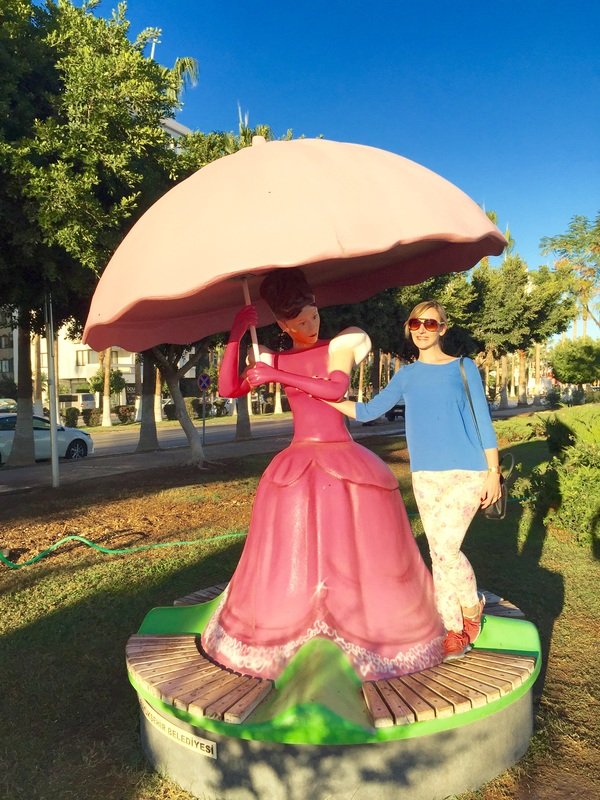
Two days were far too short for a large province with such a long coast and deep history. We concentrated on places near the city centre and sampled the dishes and desserts we considered essential for a first visit. We hope to return for everything we missed.
| 
|
MERSİN WATERFRONT
Mersin’s long waterfront is landscaped with parks, running and cycling paths, playgrounds and exercise stations. It felt like the sort of green public space that could add years to your life, and local residents were using it enthusiastically.

Palms everywhere—you could almost imagine California | 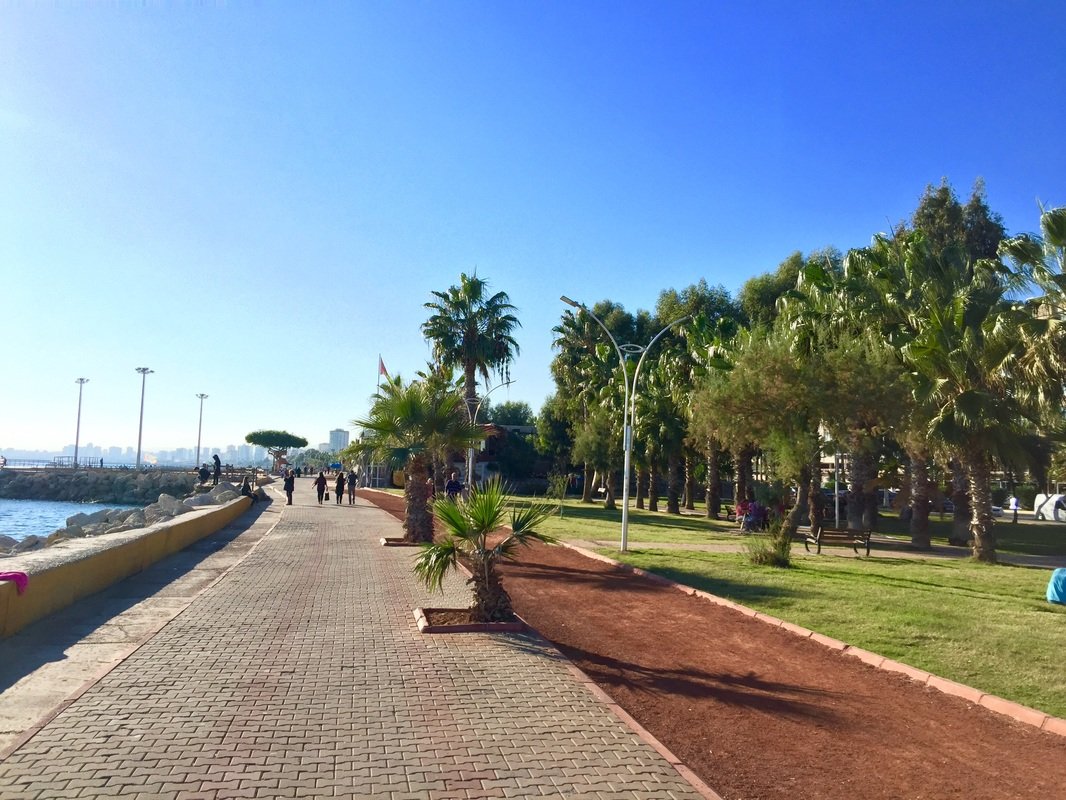
Mersin has a wonderful waterfront for running and cycling |
FORUM MERSİN

Forum Mersin is a large shopping centre that had received European retail-design recognition before our visit. It was crowded and lively, with cinemas, cafés and the usual range of shops. If you need a break or an unmistakable meeting point, it remains a familiar landmark—but verify current opening hours and facilities.
MERSİN MARINA
Mersin Marina sits beside the waterfront and was relatively new when we visited. Its sea views, cafés and restaurants made it popular with younger residents. After a long Saturday walk, we stopped upstairs for a drink. From the décor to the overall design, it was an easy place to spend time; today’s businesses and access may differ.

Our dear host, Sabri... | 
|
KUSHIMOTO STREET
Mersin and the Japanese town of Kushimoto became sister cities in 1994, and each named a street for the other. The relationship reflects the friendship that grew after the Ottoman frigate Ertuğrul sank in 1890 near Kushimoto. A commemorative stone in the park recalls that connection. Kushimoto Street in Pozcu has Japanese-inspired decoration, murals, lantern-shaped lights and a small garden-style park. Cafés made it a popular local meeting place during our visit, with everything from waffles and coffee to backgammon and shisha. Check recent listings for the current venues.

A Japanese-style taxi rank | 
Utility boxes decorated with Japanese motifs |
NARLIKUYU
Narlıkuyu is a small coastal neighbourhood in Silifke, roughly sixty kilometres from central Mersin, known for nearby archaeological and natural sites as well as seafood, village breakfasts and sweets such as lokma. We began with a Yörük-style breakfast, visited the sites below and, as people from İzmir, naturally refused to miss the lokma.

Take it as though I have not noticed the camera... | 
View of Narlıkuyu |
KIZKALESİ
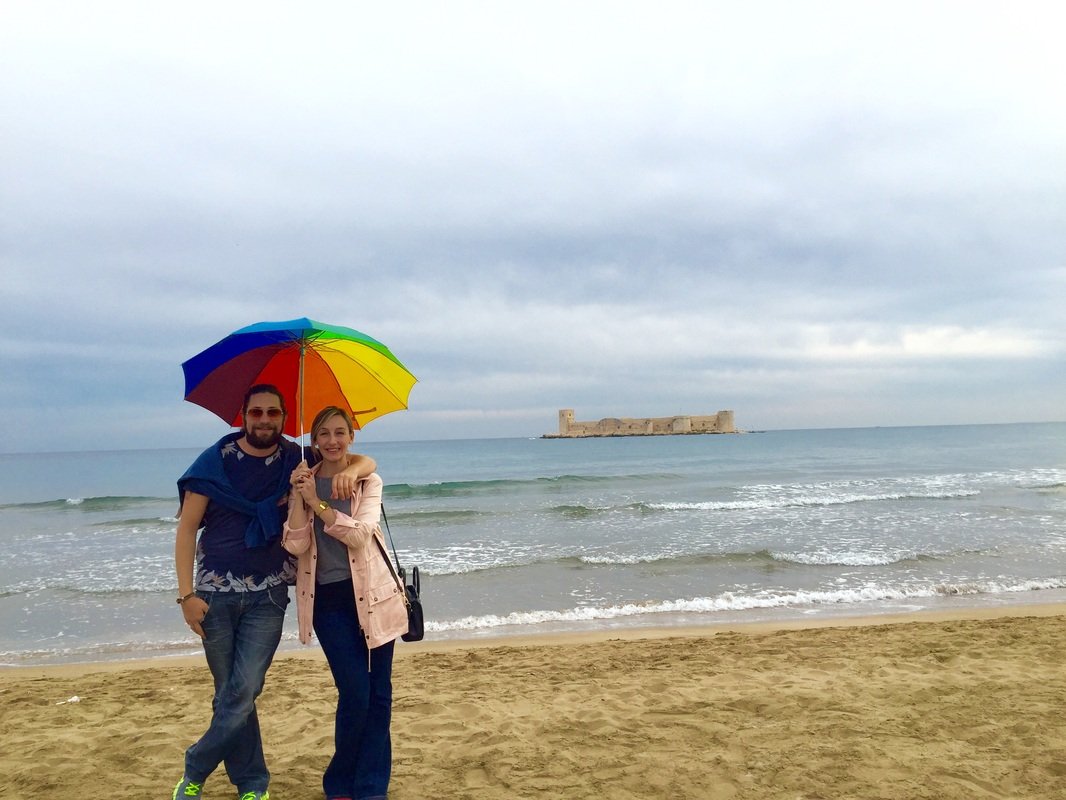
Kızkalesi easily belongs on a Mersin itinerary. The sea castle stands on a small island several hundred metres offshore, opposite the landward fortress of Korykos. Korykos was added to UNESCO’s Tentative List in 2014; that is not the same as inscription on the World Heritage List. The two castles protected a strategically important settlement and its maritime trade. Archaeological remains extend across the area, and the beach between them is a popular photography setting. Museum access, boat trips, admission and Museum Pass validity change, so check official information before visiting.
| 
|
Kızkalesi also has a famous legend. A ruler is told that his daughter will die from a snake bite, so he builds a castle surrounded by water to protect her. Fate arrives inside a basket of grapes, where a snake is hidden. The tragic tale is said to explain the name ‘Maiden’s Castle’, while the view supplies its own reason to visit.
CENNET AND CEHENNEM SINKHOLES
Near Narlıkuyu are two karst sinkholes formed by the collapse of underground cavities: Cennet, ‘Heaven’, and Cehennem, ‘Hell’. The complex is a ticketed archaeological attraction. Facilities, ticket prices and Museum Pass rules have changed since our trip, so consult the Ministry of Culture’s current listing rather than relying on old card or camel-ride details.

| 
|
Cennet is reached by a long descent into a green sinkhole. On our visit, steep stairs led past a roofless early Byzantine church dedicated to the Virgin Mary and towards a cave associated with the underground watercourse. Modern visitor infrastructure and accessibility may differ from what our photographs show; check current lift, stair and mobility information before travelling.

Cehennem is approximately 128 metres deep and is viewed from above rather than entered. Looking down from the observation area was genuinely dizzying. The sinkholes also appear in myth: one tradition says Zeus temporarily imprisoned the many-headed Typhon here before confining him beneath Mount Etna. A full ticket cost TRY 10 in 2015 and covered both sites. This is historical information only; check the current official tariff.

Choose your side before you arrive
ASTIM CAVE
Astım Cave, close to the Cennet and Cehennem complex, contains connected galleries with stalactites and stalagmites. Its name is linked to a local belief that the humid air eases asthma, and it is also called the Wish Cave. This tradition is not medical evidence: a cave is not a treatment, and anyone with a respiratory condition should follow professional medical advice. Access conditions may be slippery or difficult.
NARLIKUYU LOKMA AND SEAFOOD
Seafood restaurants lined a small bay below the road near Kızkalesi and the sinkholes. We skipped them and joined the long queue at Narlıkuyu Lokmacısı, where each fresh batch disappeared immediately. After about twenty minutes, we reached the syrupy, cinnamon-scented reward. If the shop is still operating when you visit, a fresh lokma is worth trying.

Seafood restaurants in Narlıkuyu | 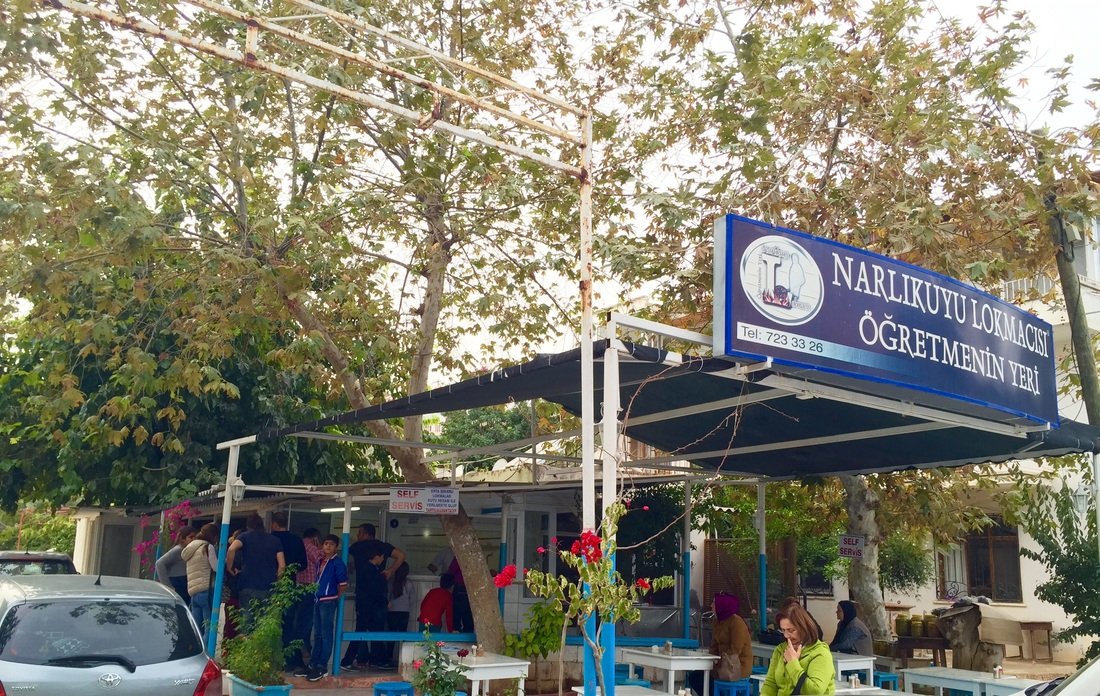
Narlıkuyu Lokmacısı |
VİRANŞEHİR — MEZİTLİ
The Viranşehir coastal road lies close to central Mersin and is popular for sea-view cafés and restaurants. The fish restaurants were full during our evening visit. In daylight, our first stop would have been Soli-Pompeiopolis, the ancient city in Mezitli; instead, we ate ice cream nearby and watched a television quiz :)

Viranşehir waterfront — Peace Monument
WHAT TO EAT IN MERSİN
After travelling through many countries, we still return to Turkish food—especially flavours shared with the eastern Mediterranean. Mersin is a wonderful food city: the coast brings seafood, while tantuni, kebabs, liver dishes and regional sweets have built a reputation far beyond the province.

MEMOŞ TANTUNİ
We were told this was the place for tantuni, and ours was genuinely delicious. Tantuni uses finely cut beef cooked on a special concave griddle, traditionally with added fat and moisture that keeps the meat from drying. Wrapped in thin bread and brightened with lemon, it is small but intensely flavoured. Memoş had expansion plans when we visited; branches, ownership and recipes may have changed, so check current details rather than travelling for an old promise.
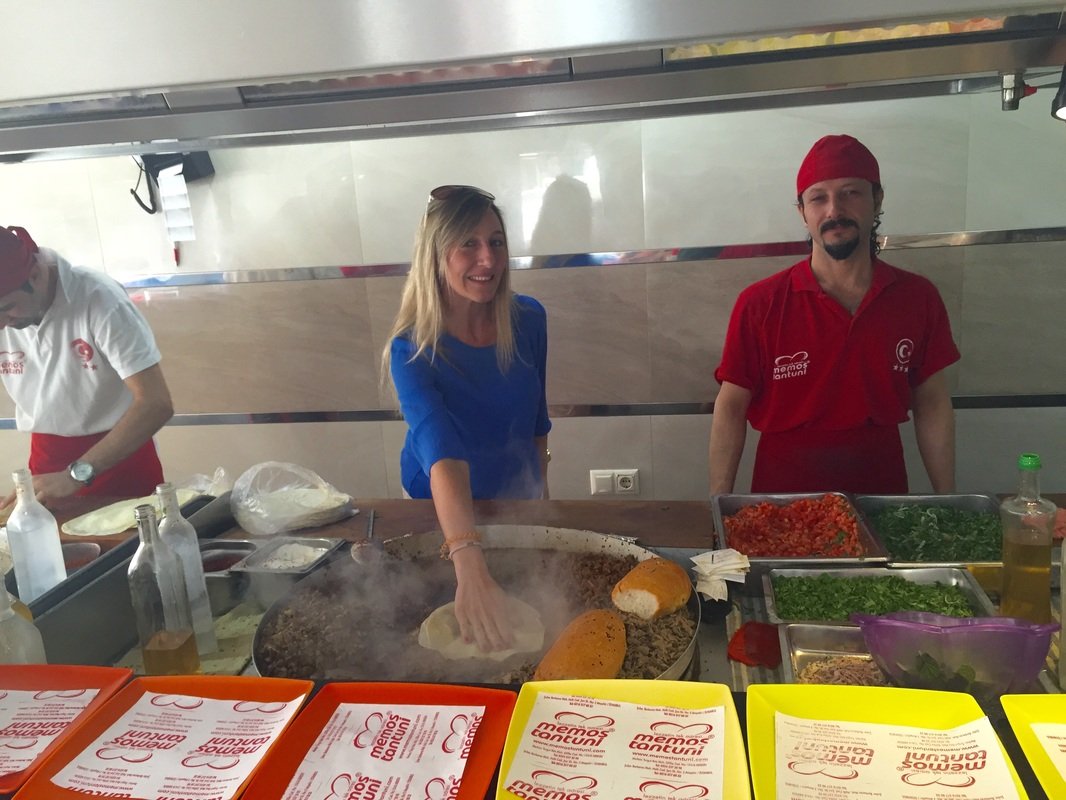
Tuğçe, the new tantuni apprentice! | 
The lesson continues :) |
TERAS MARİN
This marina restaurant served us satisfying Mersin comfort food. The mantı was tasty, even if not the legendary forty pieces to a spoon, and the İskender came with thick yoghurt, fragrant butter and a generous portion. Verify that the business is still operating before making a special visit.
ŞATO DÜRÜM EVİ
This tiny shop was one of the city’s most distinctive food stops, and seats could be hard to find. Its signature Şato Kebab combined seasoned chicken with stretchy künefe-style cheese and arrived with a large salad. The restaurant was behind Koluman Plaza near the former Metro cinema during our visit. Confirm its current address and opening status.

OĞUZHAN KEREBİÇ
Kerebiç is a characteristic Mersin sweet: a semolina shell filled with pistachios or walnuts and served with a white, foamy cream traditionally made with soapwort. Kerebiççi Oğuz told us that soapwort root was soaked, boiled and whipped with sugar to create the foam. Kerebiç is especially associated with Ramadan and holiday queues. Recipes and allergen information vary, so ask the shop if needed.
WHERE TO STAY IN MERSİN
Although international-brand hotels were available, we stayed near our host Sabri at Ayseli Hotel beside Mersin University. It was outside the centre but had useful transport connections, and our room was clean and reasonably sized. We paid TRY 120 per night including breakfast in 2015. That price and our description are historical; confirm the hotel’s current name, operation and reviews before booking.

HOW TO GET TO MERSİN
The original article said Mersin had no airport and directed travellers through Adana. That changed when Çukurova International Airport (COV) opened in Tarsus on 10 August 2024. DHMİ lists it about 55 kilometres from Mersin city centre, 27 kilometres from Tarsus and 24 kilometres from Adana. Current ground options include scheduled coaches, taxis and private vehicles; routes and fares should be checked before travel. Airport transport information is published by DHMİ. The old reference to Onur Air and the Adana–Mersin transfer no longer describes the principal airport journey.
If You Have Upcoming Travel Plans...
When you make a purchase by clicking our links, we get to earn a small commission but you still pay the same price. So, it's a win-win for everyone!

Book hotels via Booking.com | 
Find Cheap Flights via Skyscanner | 
Get a Travel Insurance via World Nomads | 
Make International Money Transfer via Wise |

Book Tours & Attractions via Getyourguide | 
Book a Cruise | 
Book Bus/Ferry/Train/Transfer via 12goAsia | 
Find free accommodation in exchange for petsitting |