Tenerife
The Canary Islands had been on our minds for a long time. While we were doing Erasmus in Spain, with Ryanair on our doorstep and valid Spanish visas in our passports, we ignored the winter weather and flew to Santa Cruz de Tenerife. Tenerife is the largest and best-known of the Canary Islands, and Santa Cruz is the island’s capital. It is also one of the two capitals of the Canary Islands, sharing that role with Las Palmas de Gran Canaria. Tenerife lies off the coast of Morocco and enjoys mild weather throughout the year. For people from İzmir like us, even 25°C can feel a little cool for swimming =). Arriving from wintry Bremen in January, however, Santa Cruz felt like paradise. Unfortunately, rain followed us for part of the trip. Since it was not really beach weather, we concentrated on exploring the island’s beautiful capital and were very happy that we did. In this peaceful city of gardens and greenery, life moves at its own pace, and we slowed ours down too—as much as two people who had already spent five months living in Spain could =).
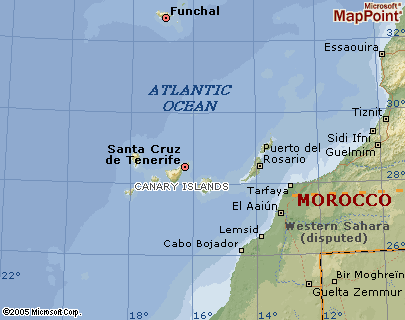
People in Tenerife were warm, friendly and quick to smile. One thing that has rarely surprised us during our travels is how people living beside the sea often seem happier and more open. Tenerife did not break that pattern. We surrendered to the positive atmosphere, breathed in the scent of gardens filled with unusual tropical plants in the rain and made the most of the island’s lower taxes. A practical correction to our original note: the Canary Islands are part of Spain and the Schengen Area. Turkish citizens who require a visa need a valid Schengen visa, but it does not have to be issued by Spain merely because the trip includes the Canary Islands; applications should follow the usual main-destination rules.
THINGS TO DO IN TENERIFE
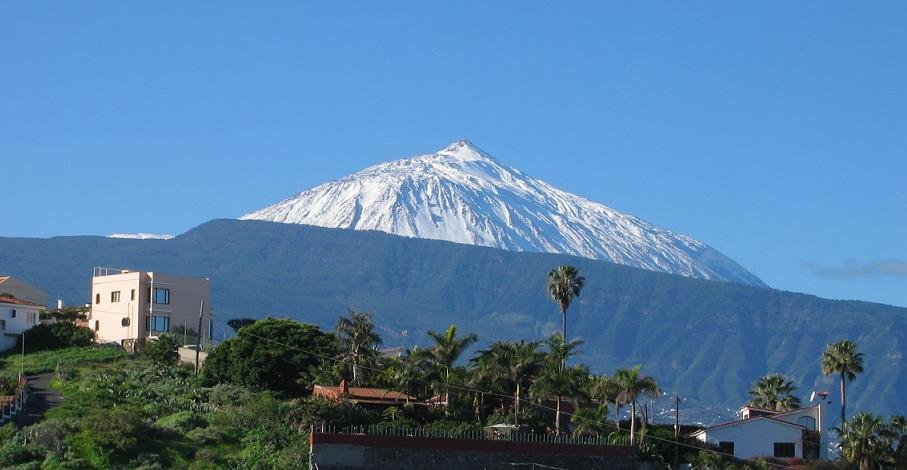
At 3,715 metres, Mount Teide is Spain’s highest mountain and an active volcano. The name Tenerife is often linked to an Indigenous Guanche expression interpreted as “white mountain”, though the exact etymology is debated. Teide is one of the island’s most popular destinations for hiking and mountaineering.
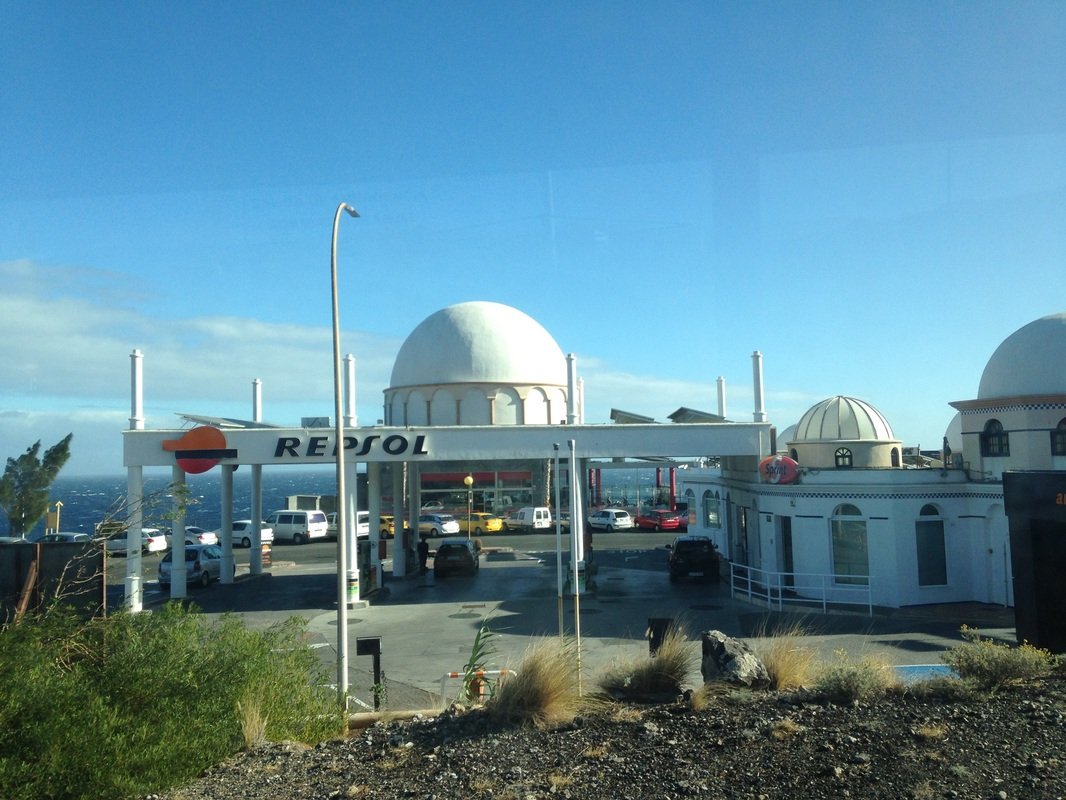
The moment we landed in Tenerife—after a planning mistake that had us arriving at Tenerife South Airport and departing from Tenerife North—the island’s North African and Atlantic influences began to show. Our original journey used the old bus 32 and cost €9 per person; that information is no longer current. As of August 2026, TITSA lists line 10 between Tenerife South Airport and Santa Cruz, with other airport routes also available. Check the official TITSA timetable and fare calculator before travelling. We learned once again not to rely entirely on spoken directions and used a local SIM card and mobile maps to find our own way =).
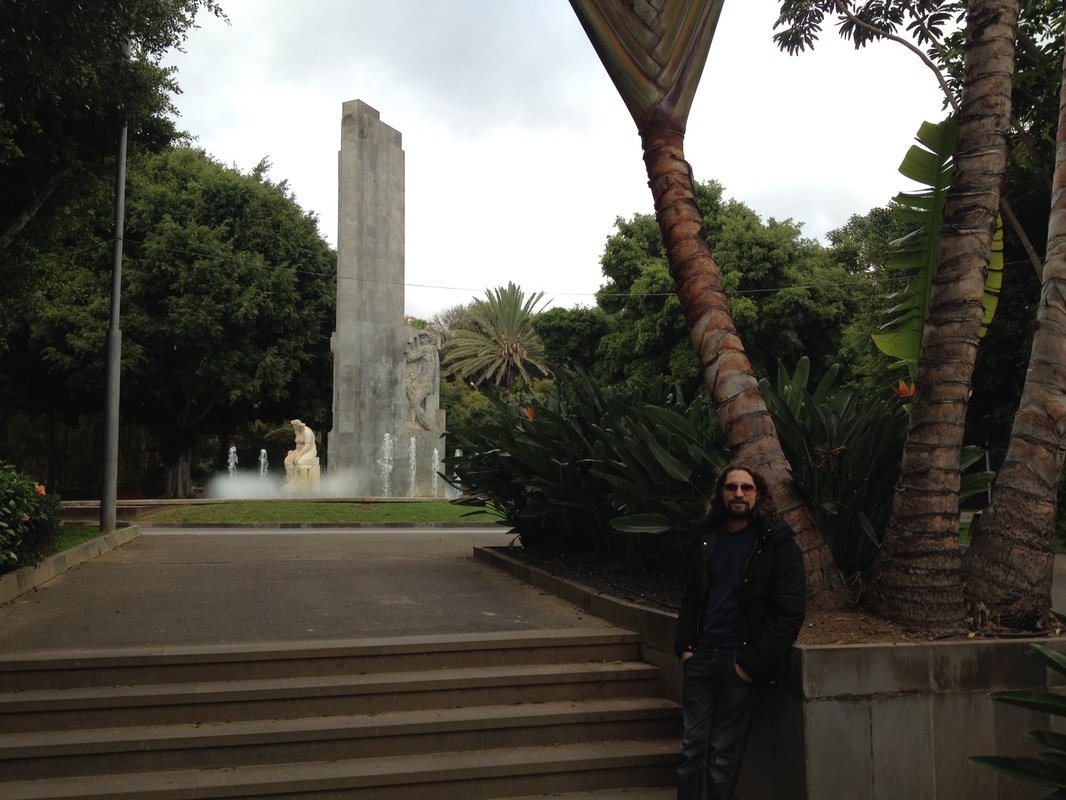
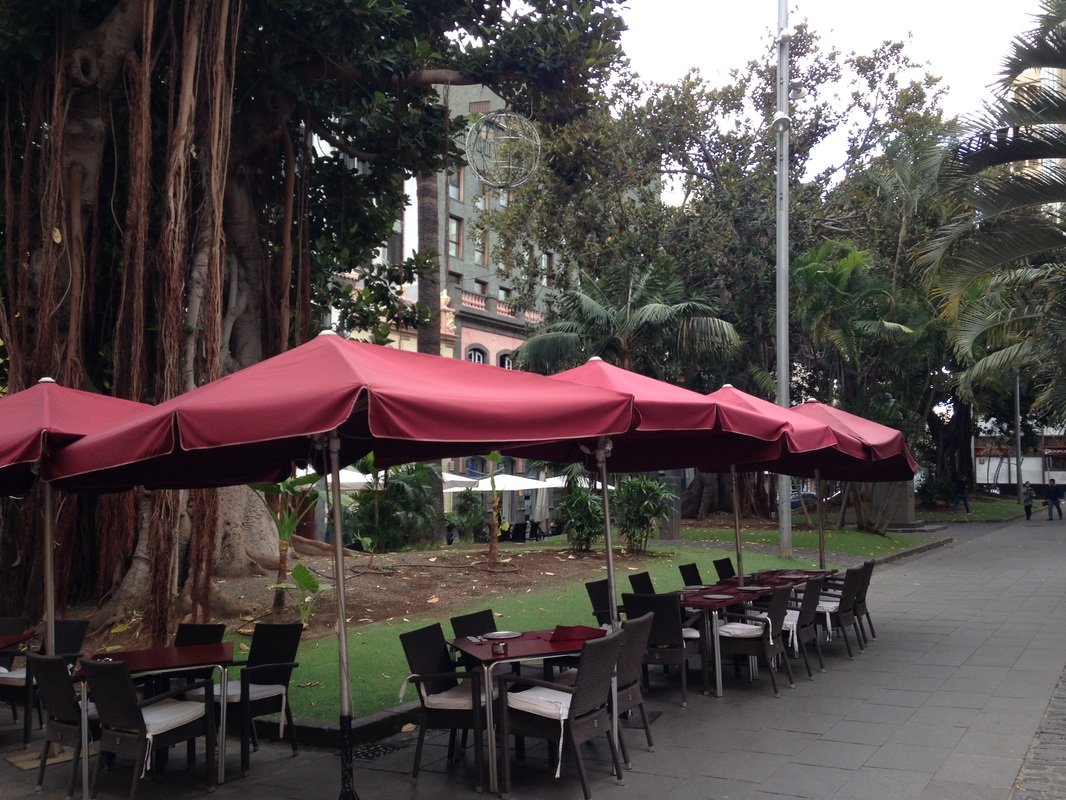
The Spanish deserve credit for their gardens; they truly know what they are doing. García Sanabria Park, filled with many different plants, is one of the city’s most enchanting spots. We had coffee at the café beside it and then went for a walk through the park.
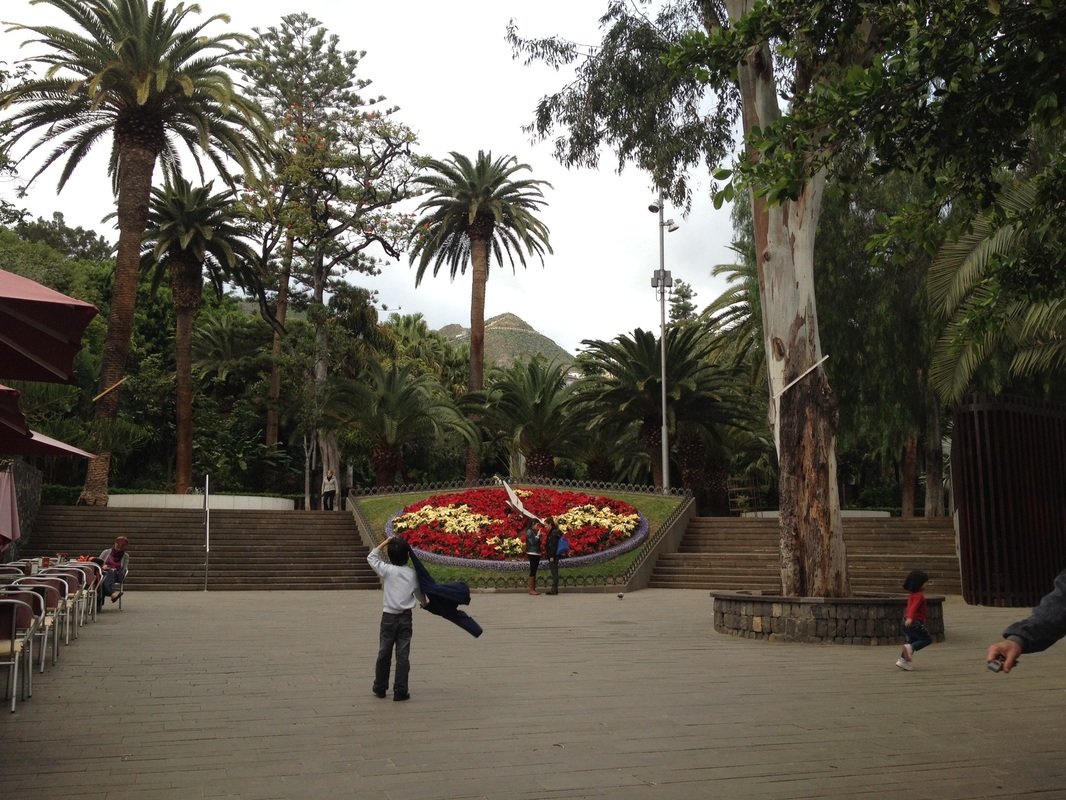
Santa Cruz’s gardens are grand and uplifting. García Sanabria Park, created in 1926, is the largest urban park in the Canary Islands. Sculpture is another defining feature of Santa Cruz: works by artists such as Joan Miró, Óscar Domínguez and Henry Moore can appear where you least expect them, including inside García Sanabria Park.
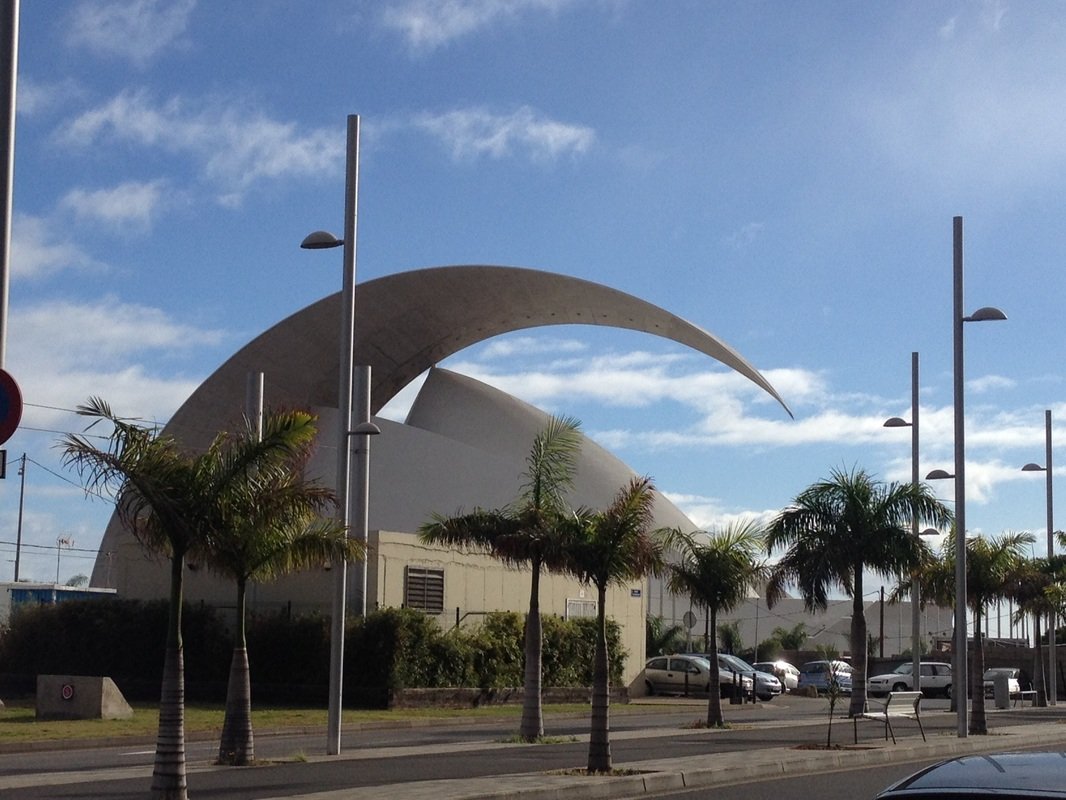
Auditorio de Tenerife, the city’s opera house, was designed by the legendary architect Santiago Calatrava. Opened in 2003, it hosts many artistic events, including jazz performances. Calatrava drew inspiration from sails for this waterside building. Does it remind you a little of the Sydney Opera House?
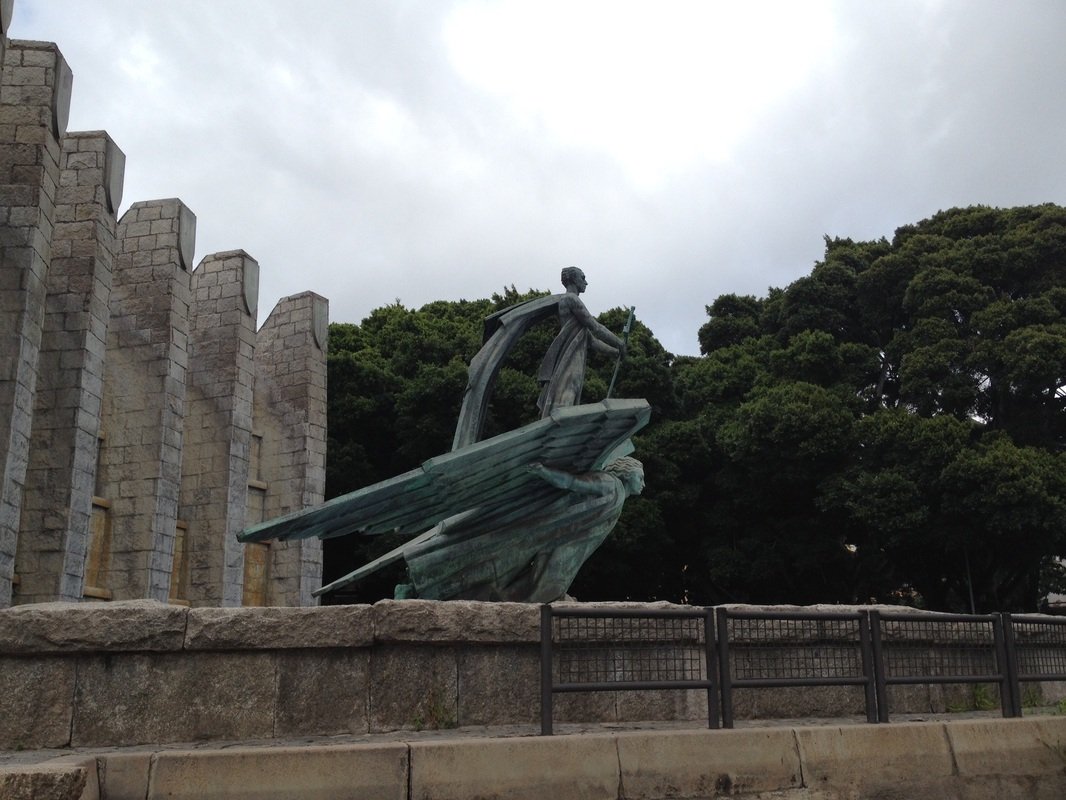
Another sculpture we could not stop admiring was The Fallen Angel, shown below. The monument has a controversial association with the Franco era, and debates about Spain’s historical-memory laws have long surrounded it. During our visit, it remained in place as a striking work of public art. We stood looking at it for quite a while and took dozens of photographs of the figure watching over the city.
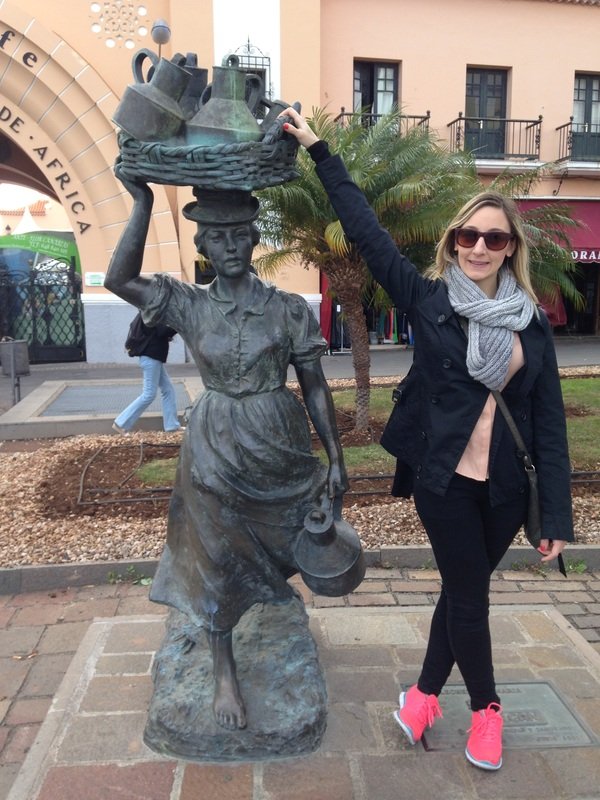
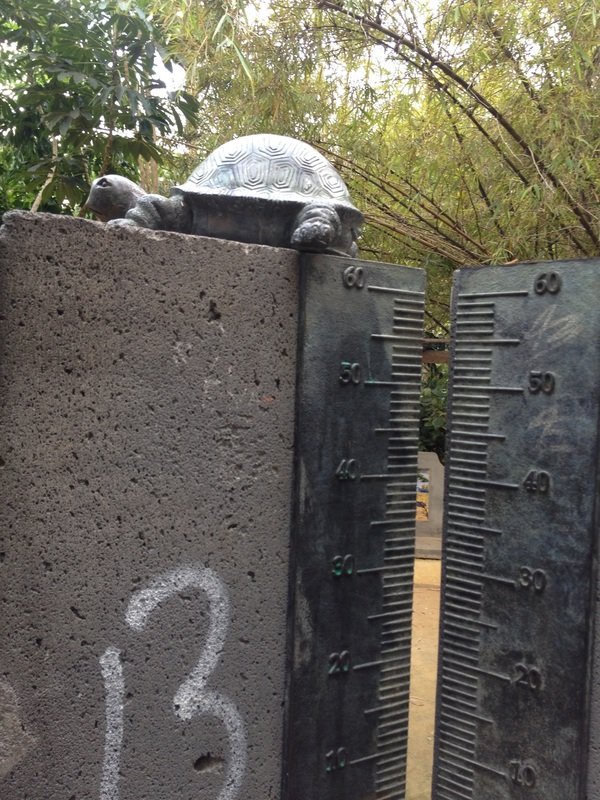
The sculpture on the left below stands at the entrance to Mercado de Nuestra Señora de África. You may notice its small proportions. The Canary Islands’ Indigenous inhabitants, known collectively as the Guanches, appear in many local images and sculptures. Their distinct pre-Hispanic societies disappeared after the Castilian conquest and assimilation; many lived through farming, herding and fishing.
| 
|
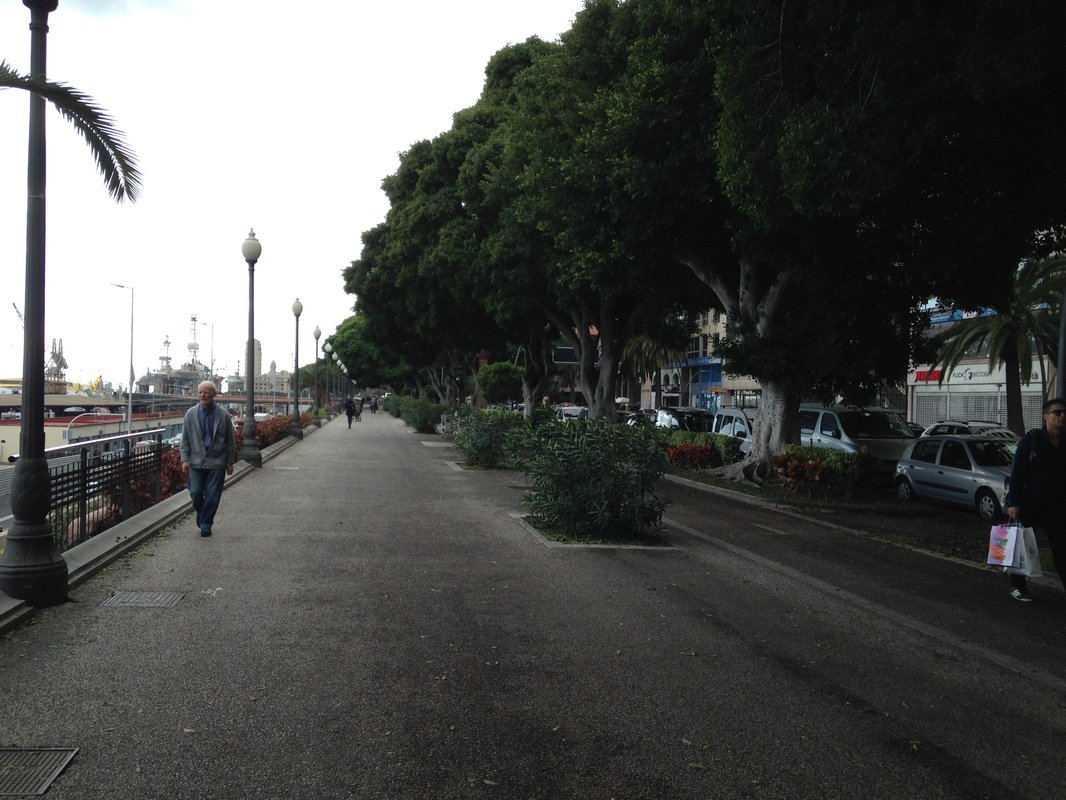
Urban planning in Santa Cruz, at least along the waterfront, is very successful. Broad green promenades make you glad to be in the city. We love places that make people feel valued; they also make us feel less like outsiders. Along the seafront, older residents and families with children were strolling while younger people went running.
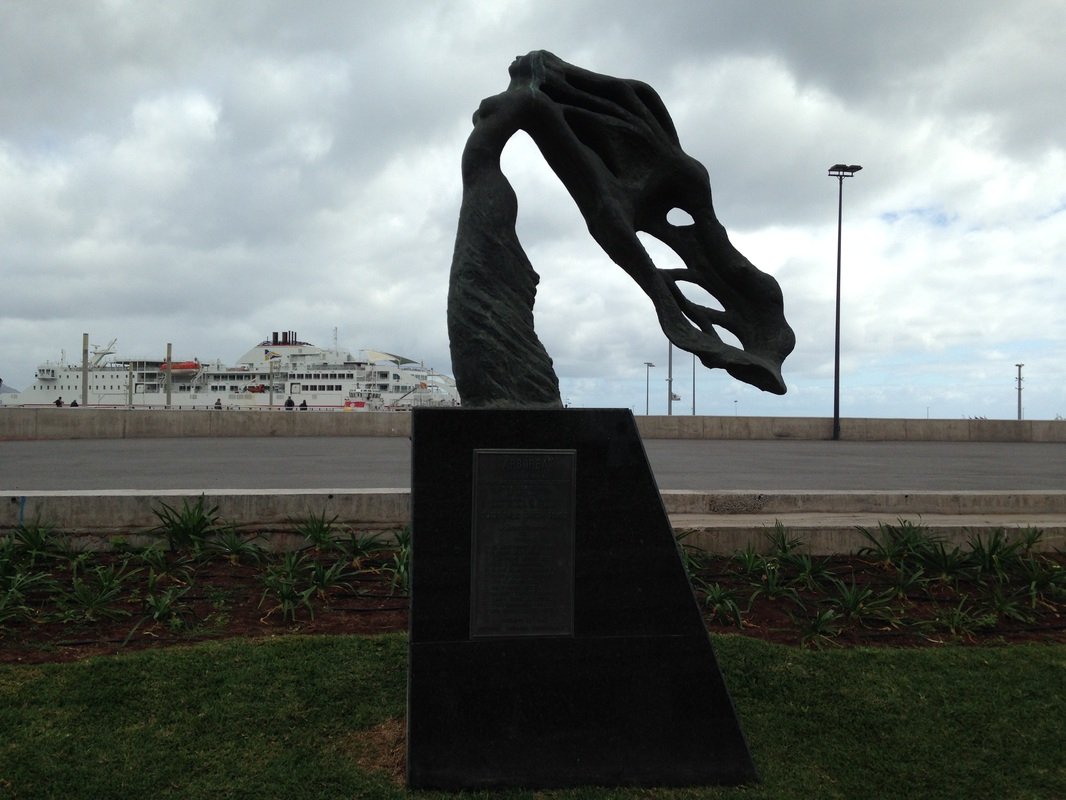
Arbórea is another sculpture that stays with you. One interpretation compares it to a sea plant with hair flowing in the wind.
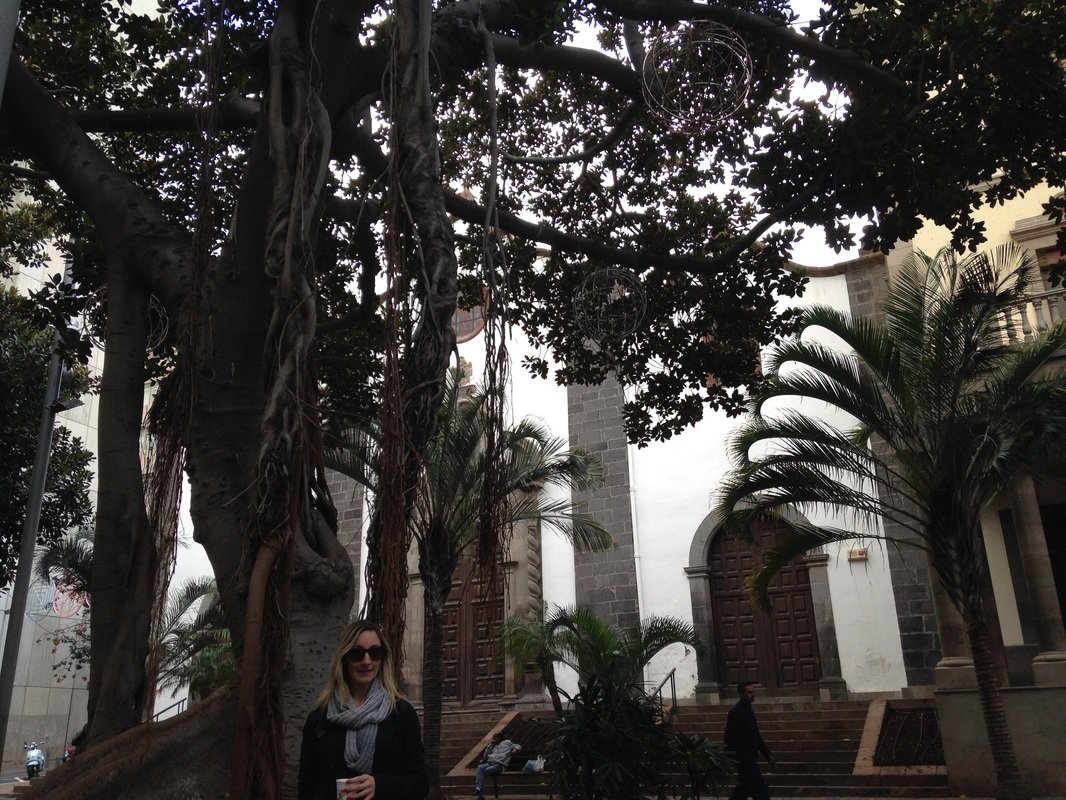
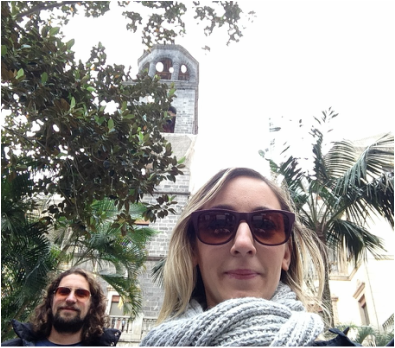
The Church of San Francisco de Asís dates from the late seventeenth century and is one of the Canary Islands’ important Baroque buildings. We were most impressed by the tiny square and old trees in front of it, but the church is especially known for an image of Cristo de las Tribulaciones. According to local tradition, the image was carried through the streets during an epidemic in 1893, after which the outbreak ended.
| 
|
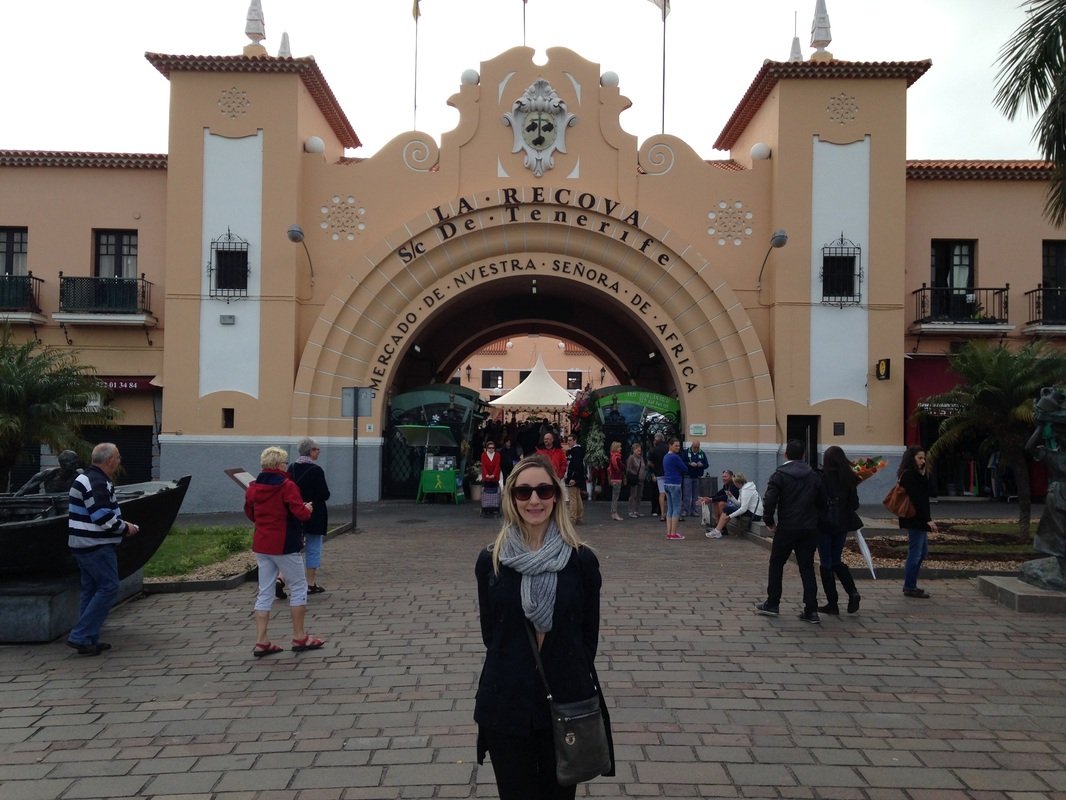
Mercado de Nuestra Señora de África is perhaps the most colourful and attractive place in Santa Cruz. This compact market has a bright atmosphere and architectural details influenced by North Africa. We loved wandering through it; markets and food halls are among our favourite places in any city. Mixing with local residents and seeing the ingredients they use at home brings us closer to a culture.
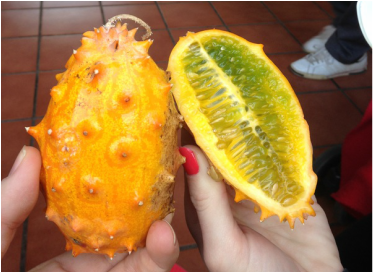
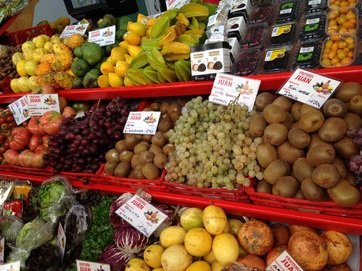
The stalls were piled with colourful fruit and vegetables that we rarely saw in Türkiye. Out of curiosity, we tried kiwano, also called horned melon. The greengrocer cut it lengthwise and handed it to us with a plastic spoon. Believe it or not, its flavour reminded us of a fresh green almond =).
| 
|
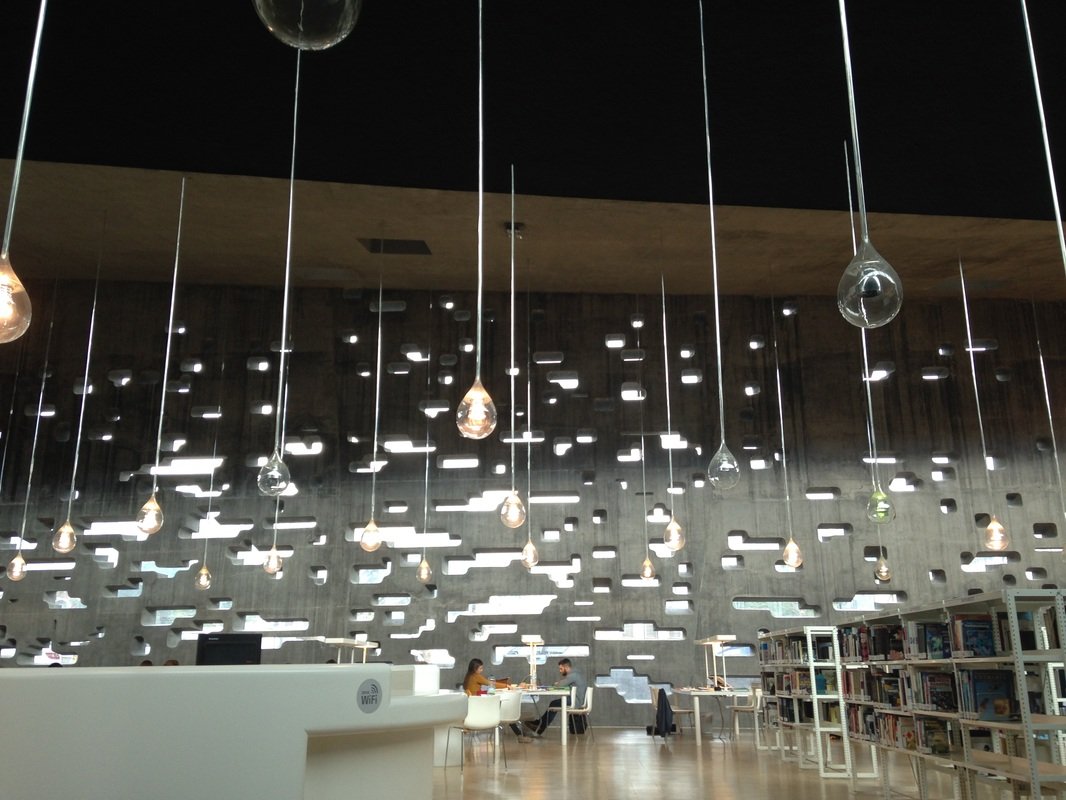
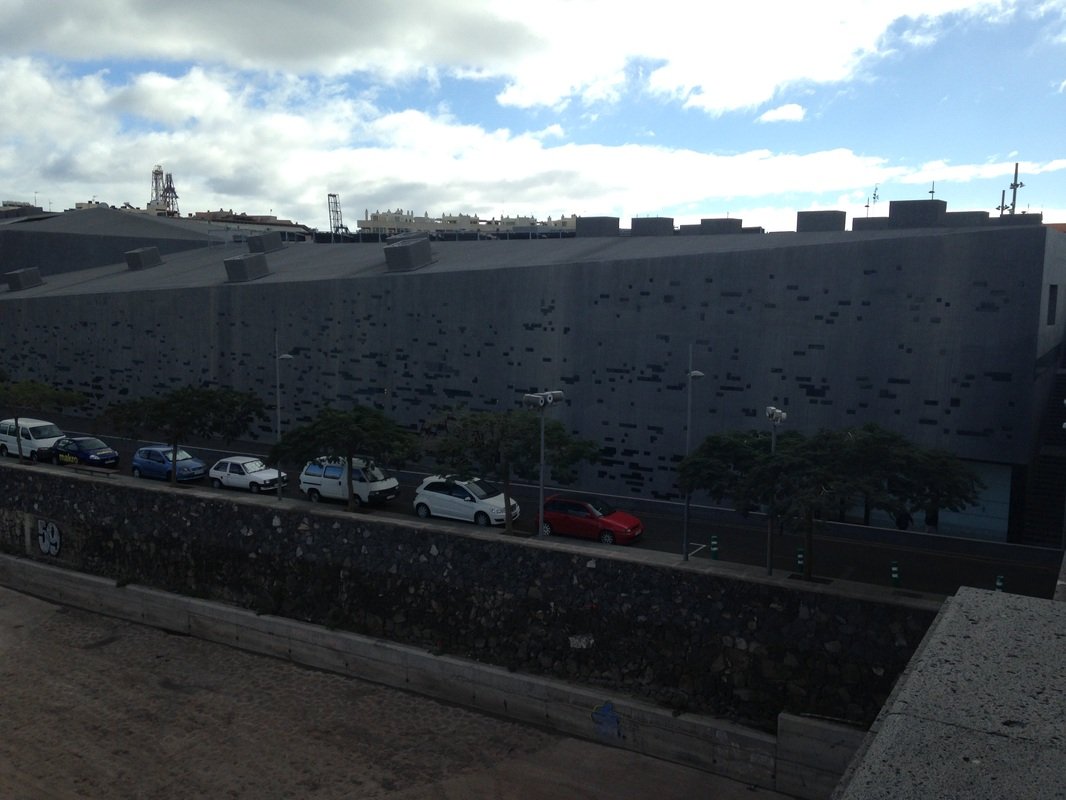
Tenerife Espacio de las Artes (TEA) is Santa Cruz’s arts centre. The building, designed by Herzog & de Meuron with Virgilio Gutiérrez, opened in 2008. It looks huge and dark from outside, but as you walk in, the interior feels unexpectedly bright. Anyone can enter, use the internet and spend time in the enormous airy study area—one more reason not to feel like a tourist =). The centre hosts changing exhibitions and film screenings, though films in Spain are often dubbed into Spanish.
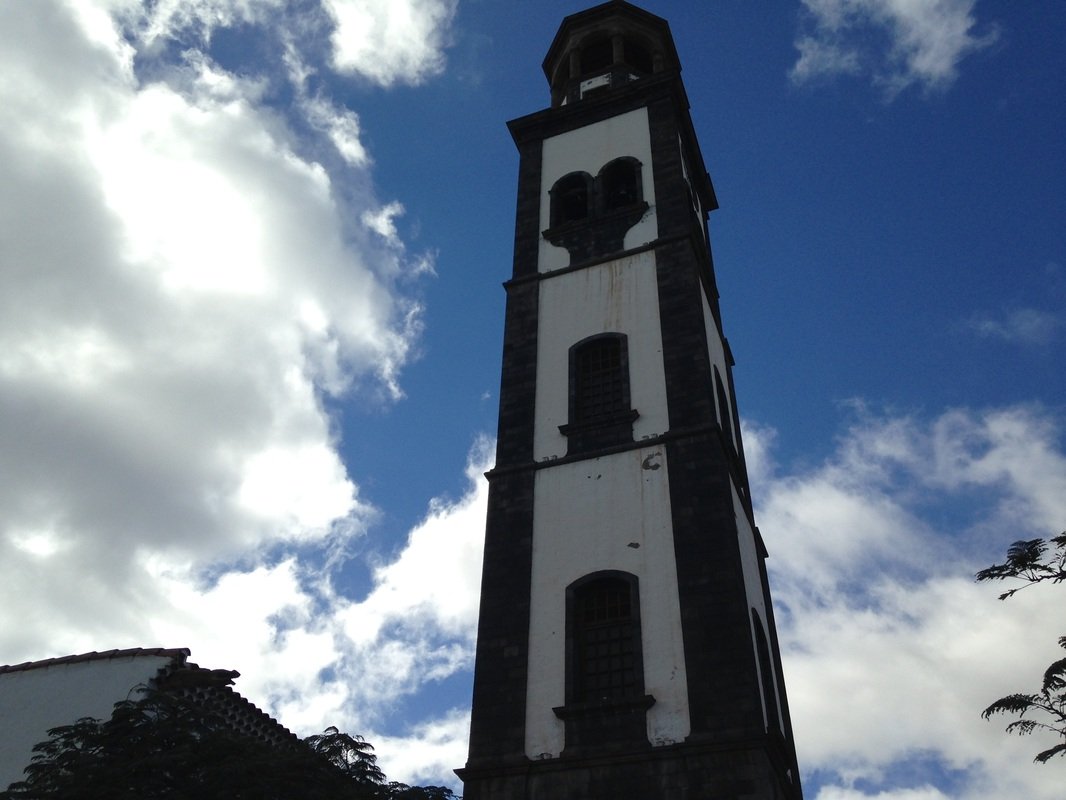
The Church of La Concepción is one of Santa Cruz’s most important churches. It was closed when we visited, but its Atlantic and North African character still won our hearts.
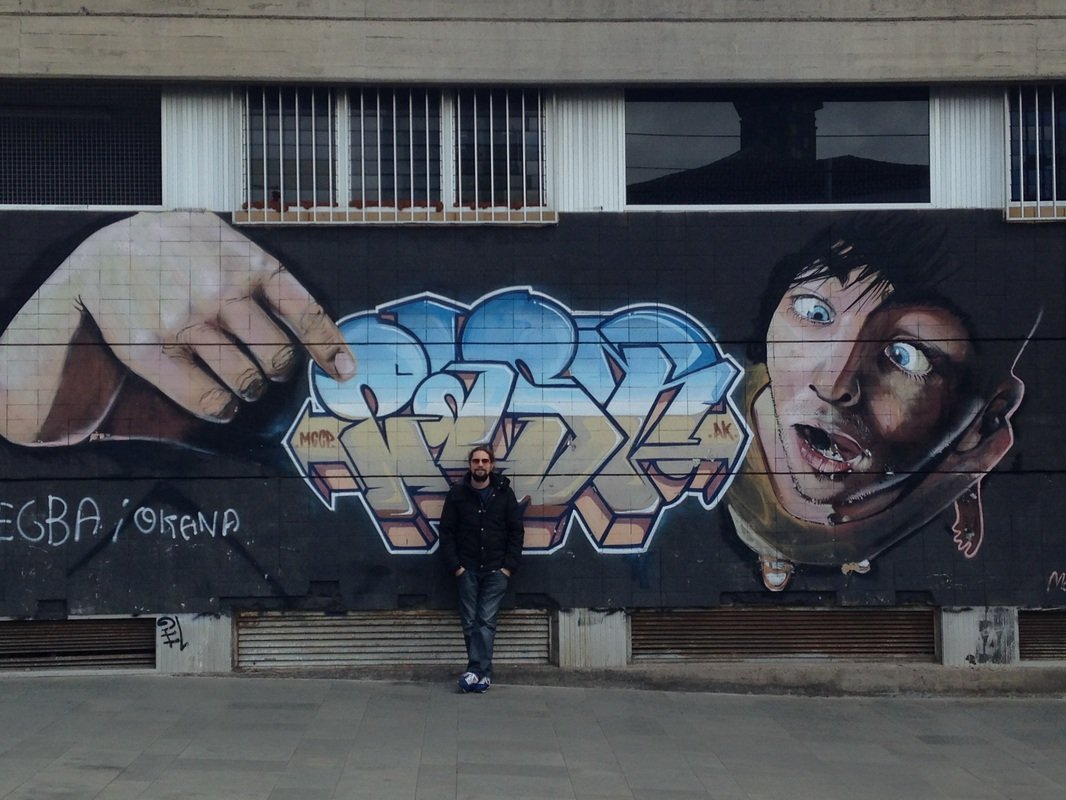
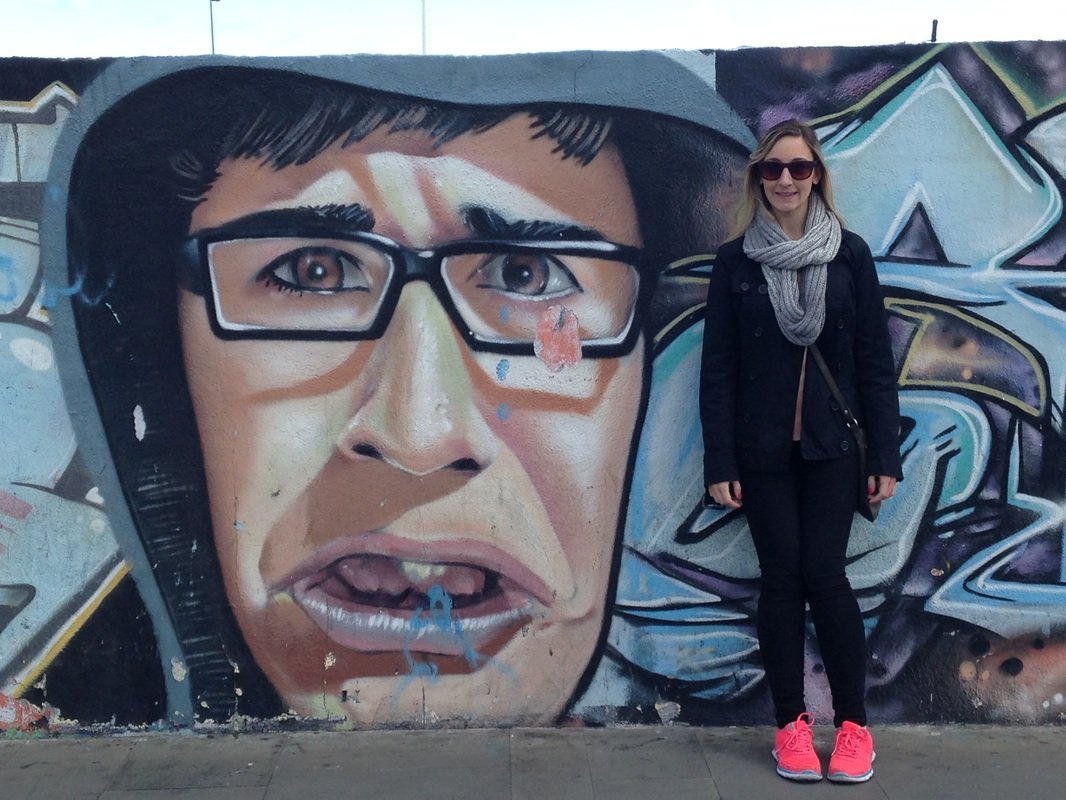
Art really does live on the streets of Santa Cruz de Tenerife. Ordinary walls in unexpected places are covered with wonderful murals and graffiti.
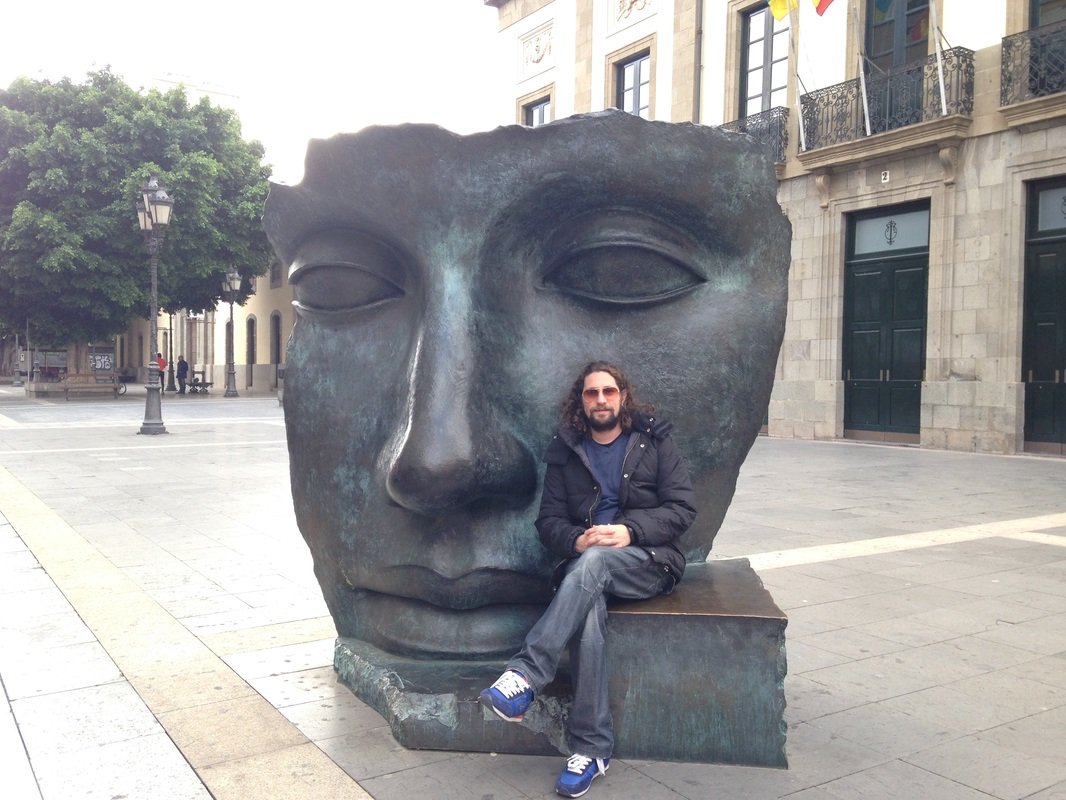
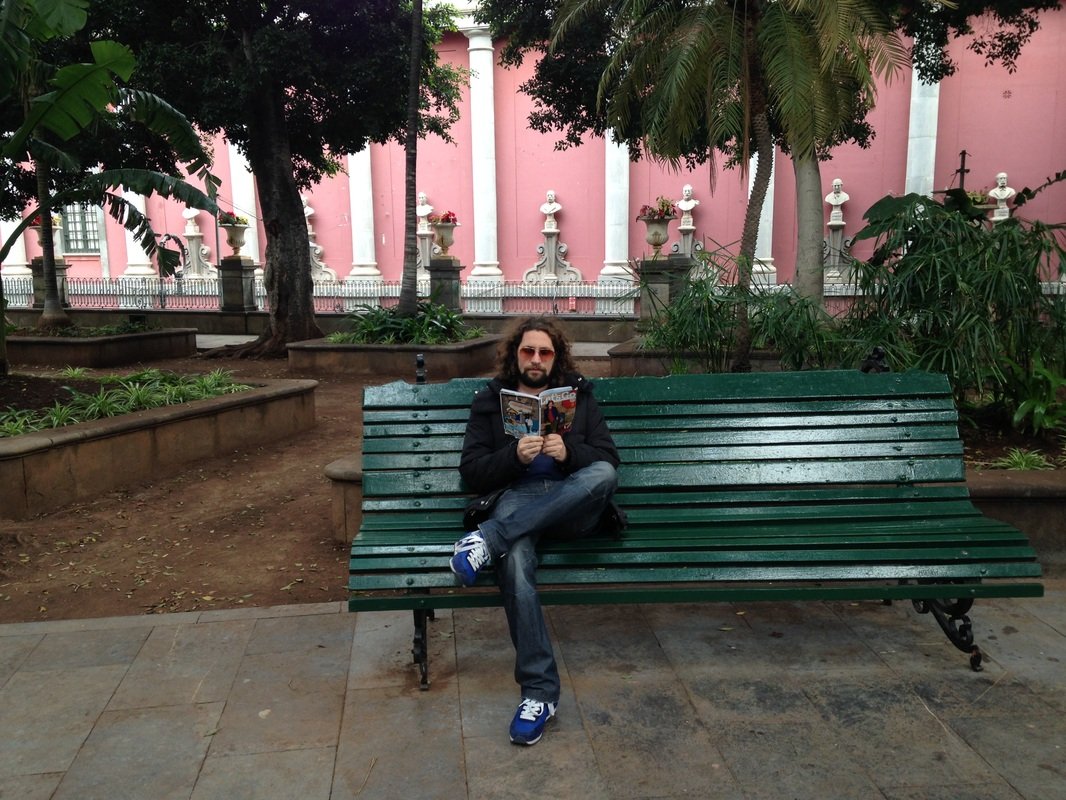
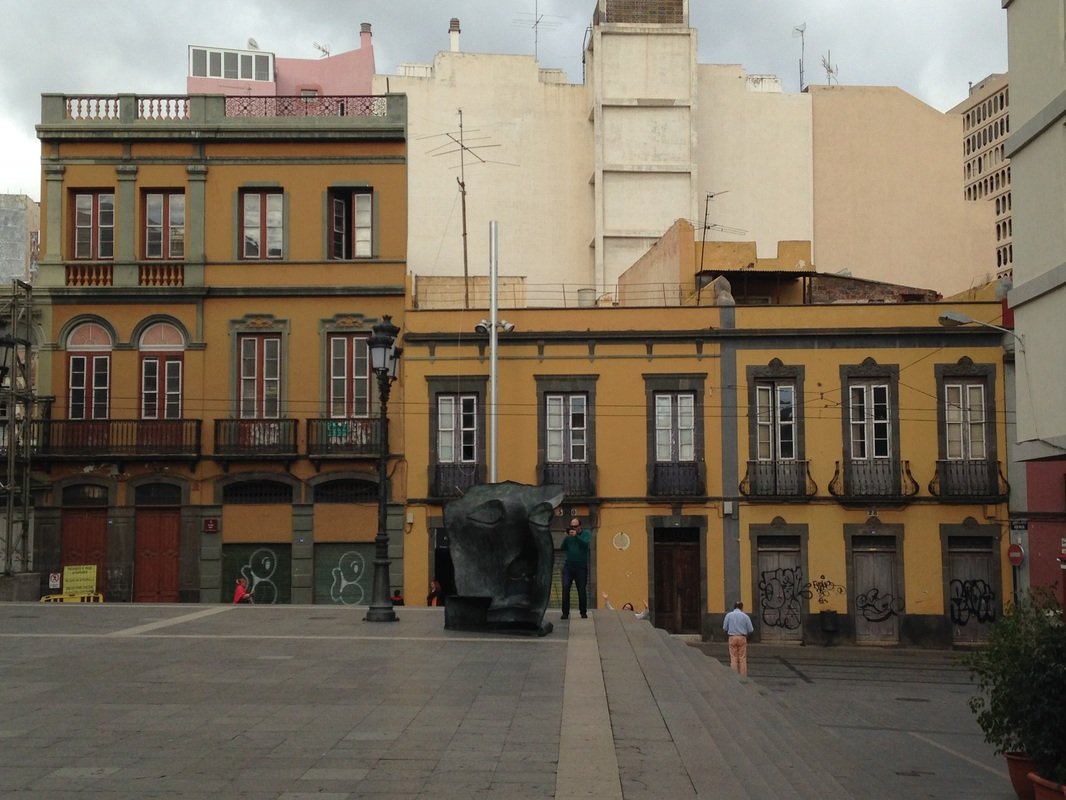
Teatro Guimerá, built in 1851, is the oldest theatre in the Canary Islands. Close to the shopping district and facing a lively square, it is restrained but full of life. Once again, however, a sculpture caught our attention most. The work by Igor Mitoraj is called Per Adriane, but Gökay decided that our photo study below should be titled “The Statue and Me” =).
Santa Cruz de Tenerife offers a broad range of shopping, from inexpensive Chinese shops and imitation bags to international brands. We concentrated our efforts around Calle del Pilar. We are not usually passionate shoppers, but taxes were lower on the island, making perfume and stores such as Bershka, H&M and Stradivarius relatively affordable during our visit. Because the Canary Islands have their own climate, the collections differed from those in colder Spanish cities. Do I even need to say that winter clothes were on sale? =)
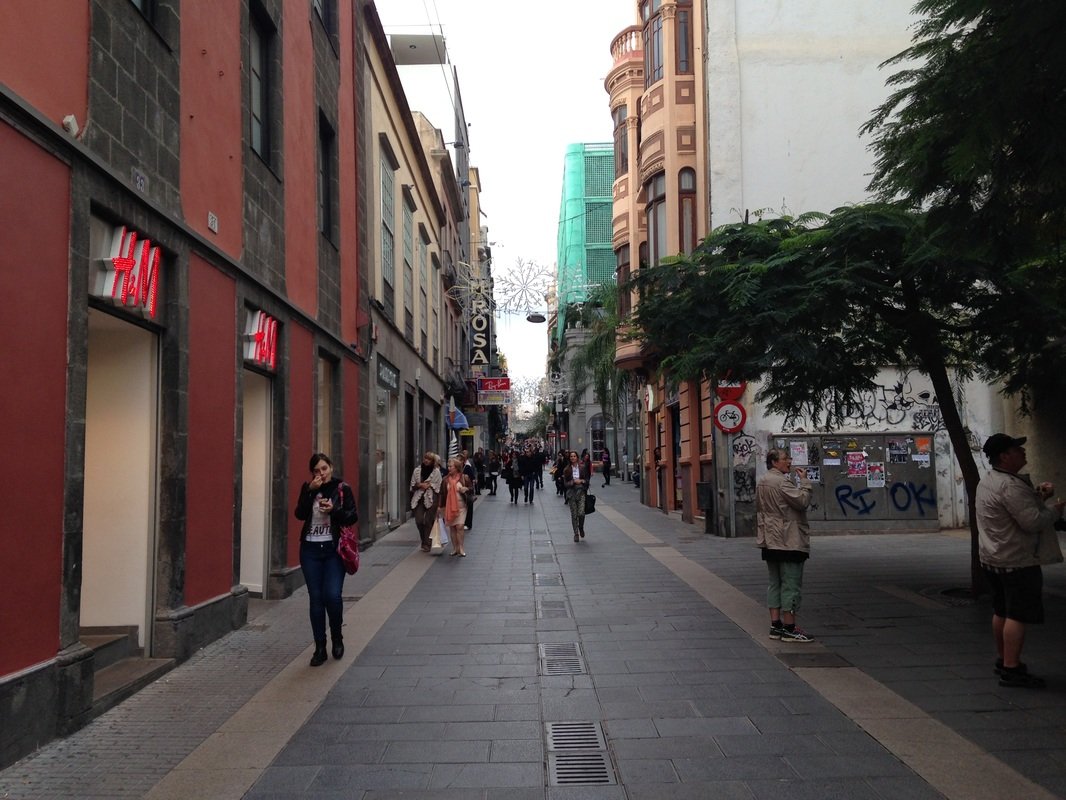
They have managed to bring greenery and tropical plants into every corner. The city feels lively, almost like one enormous botanical garden.
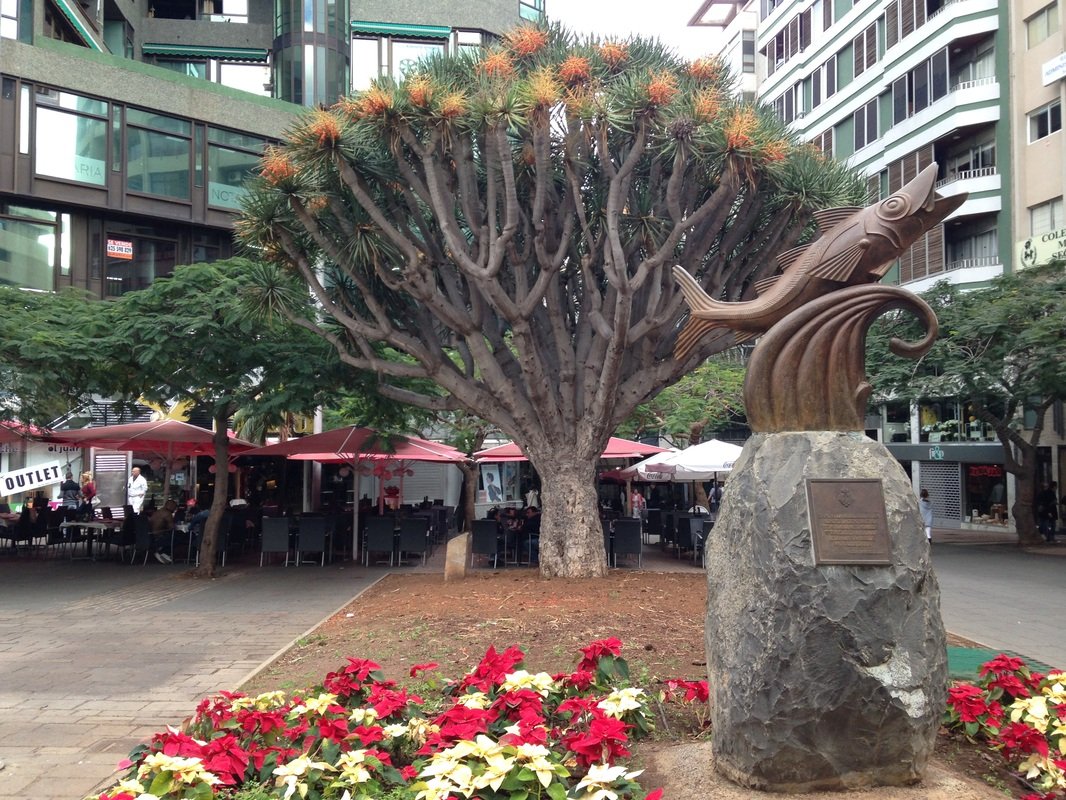
The park below is in Plaza del Príncipe. Looking at the colourful buildings around it, we kept thinking how much the scene resembled Latin America—then remembered there is a reason Latin America is called Latin America. Joking aside, many ships once departed from the Canary Islands on voyages across the Atlantic.
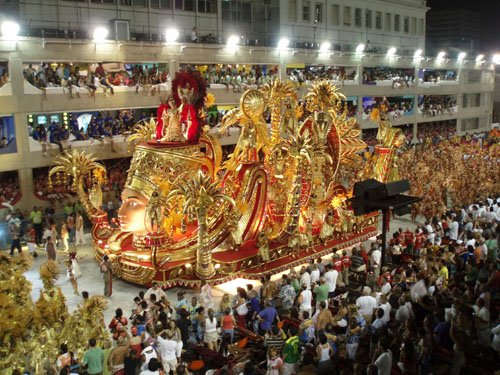
Santa Cruz de Tenerife also has a famous carnival. Held every February, Carnival de Santa Cruz is often described as one of the world’s biggest carnivals after Rio. The programme fills the city with parades, costumes and music, and traditionally includes the symbolic Burial of the Sardine. We would be lying if we said we did not wish we could stay for it.
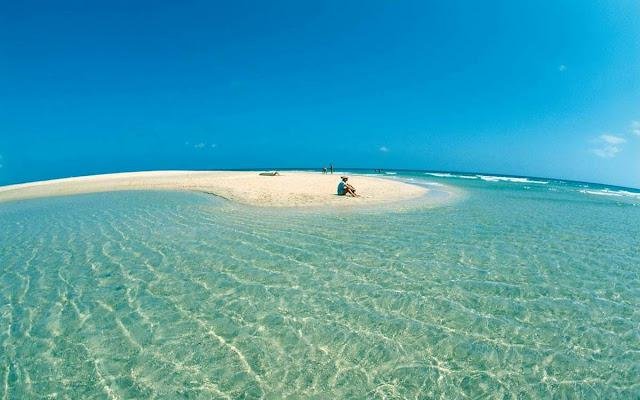
Santa Cruz’s atmosphere did us a great deal of good, and we spent two or three genuinely happy days there. Still, we do not consider our Canary Islands trip complete because we did not see the famous beaches or swim in their turquoise water. We keep saying that we will return. Tenerife is the archipelago’s most visited island, while Lanzarote attracts travellers looking for quieter volcanic landscapes.
WHAT TO EAT IN TENERIFE
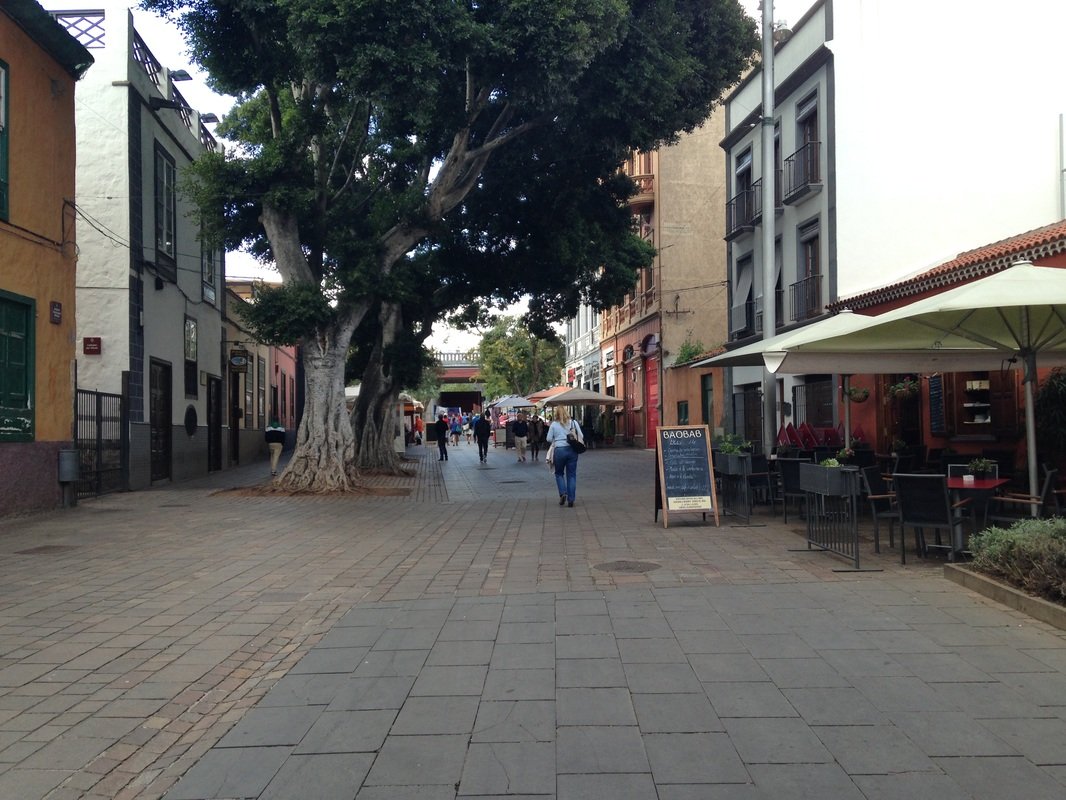
Calle de la Noria is tiny but extremely charming. Cafés and restaurants line both sides, giving the street constant energy. With its brightly painted buildings, it can make you feel as though you have stepped into Havana. It also becomes a nightlife hub after dark, so do not miss it.
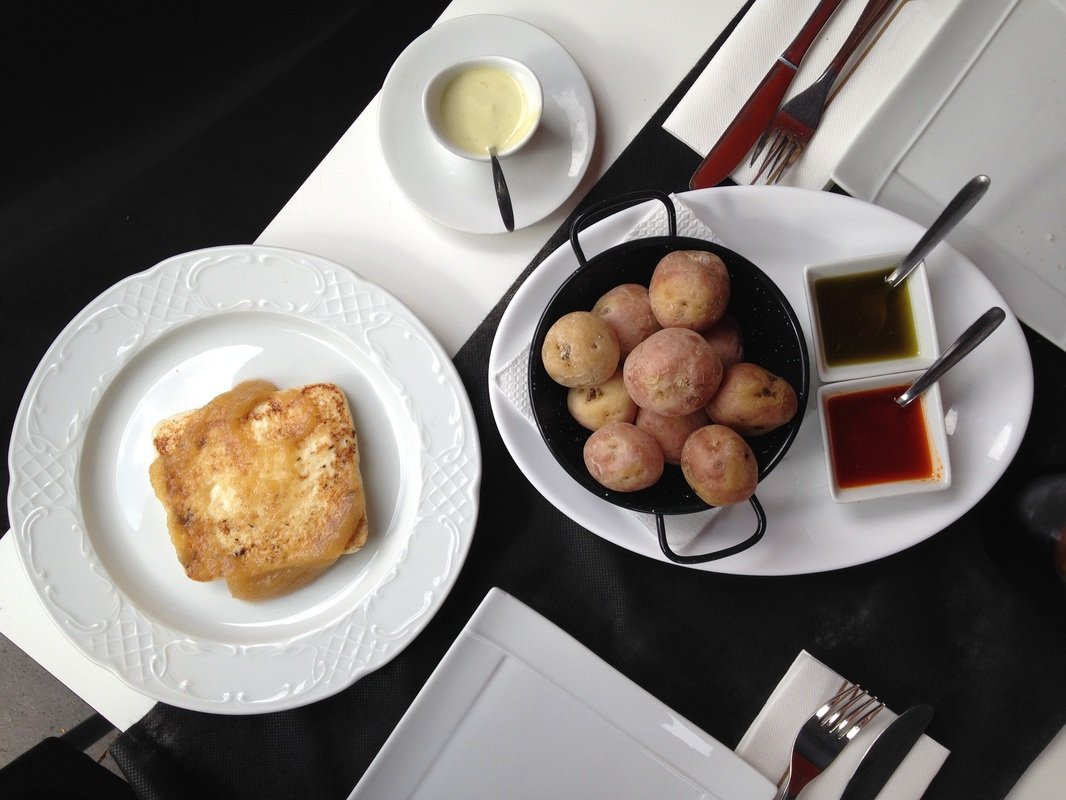
For lunch, we chose La Suite on Calle de la Noria. One of the Canary Islands’ most famous dishes is a plate of tiny potatoes. Do not dismiss the idea of potatoes as a regional speciality—the secret is in the sauce. Papas arrugadas, or wrinkled potatoes, come alive with mojo. We tried both versions: a red sauce made with red peppers and a green one made with green peppers. Neither was especially hot, and we loved them. Our real favourite, however, was grilled goat’s cheese with apple jam, which seemed to be a La Suite speciality. We expected the combination to be strange but adored it. Alongside these starters, we ordered a simple meat dish. In Tenerife and elsewhere in Spain, weekday lunch menus often combine a starter, main course, drink, dessert and coffee at good value. One full menu can be too much for a single person, so we usually share one and add several starters =).
WHERE TO STAY IN TENERIFE
We chose Hotel Nautico. The hotel was a ten-minute walk from the city centre and very close to the sea. It involved a slight climb, but our travel philosophy is “walk wherever you can”, so we even enjoyed that. The hotel was very clean and felt safe, although the photographs on its website had led us to expect something more luxurious. Hotels in Santa Cruz, like accommodation across the Canary Islands in general, can be rather expensive. Hostel culture is limited and the available hostels are not always impressive, although prices still looked reasonable compared with hotels in Çeşme. Our favourite thing about the hotel was a nearby bakery. It stayed open almost around the clock—something of a miracle in Spain—and beginning the morning with hot, fragrant pastries was wonderful. Since we were still in Spain, we were not surprised that many were filled with jamón y queso, or ham and cheese =).
WHAT TO BUY IN TENERIFE
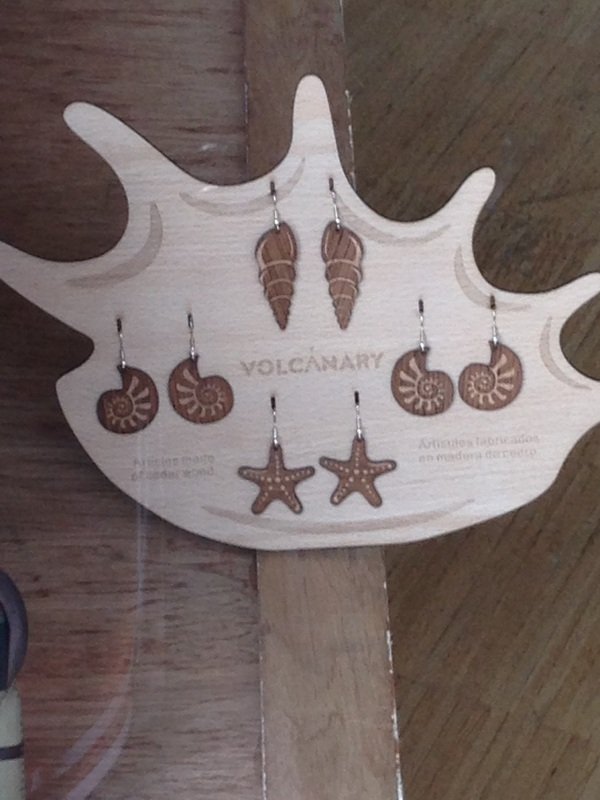
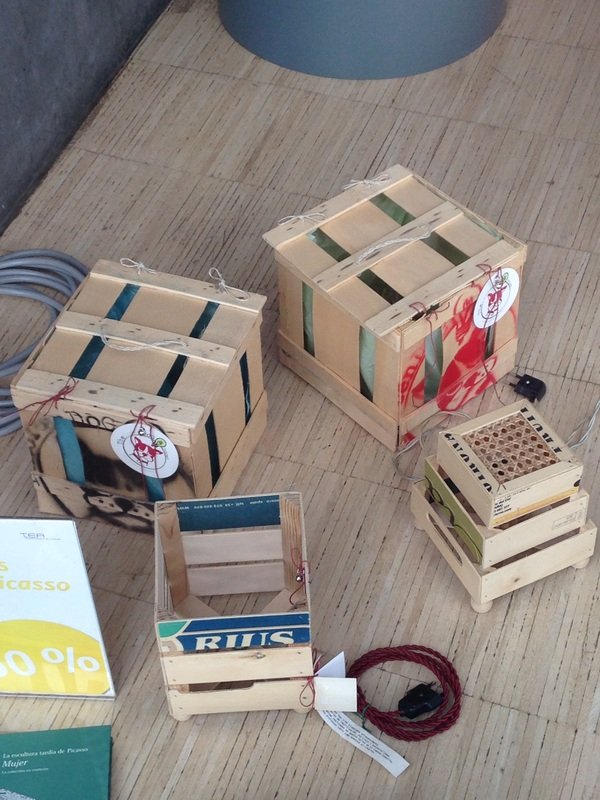
Santa Cruz also has broad tree-lined ramblas similar to Barcelona’s Las Ramblas. Souvenir kiosks stand along some of them, selling magnets and similar items. We chose a small jar of local mojo sauce. Tenerife also has its own pine species, and artisans make earrings and necklaces from the wood; I immediately bought one. TEA’s simple but appealing design objects were also excellent. As mentioned earlier, we also bought perfume because of the tax advantage and saved quite a bit. Not every fragrance was cheaper, however, so compare the price of anything you want before you arrive.
| 
|
HOW TO GET TO THE CANARY ISLANDS
We flew from Bremen with Ryanair. Our return fare was an almost ridiculous €45 at the time. From Türkiye, the most practical option is usually to fly to a major Spanish hub such as Madrid or Barcelona and then connect to the islands. Routes and fares change, so compare through-tickets with separate low-cost flights before booking.
If You Have Upcoming Travel Plans...
When you make a purchase by clicking our links, we get to earn a small commission but you still pay the same price. So, it's a win-win for everyone!

Book hotels via Booking.com | 
Find Cheap Flights via Skyscanner | 
Get a Travel Insurance via World Nomads | 
Make International Money Transfer via Wise |

Book Tours & Attractions via Getyourguide | 
Book a Cruise | 
Book Bus/Ferry/Train/Transfer via 12goAsia | 
Find free accommodation in exchange for petsitting |