Valencia had been high on our wish list ever since we started Erasmus in Spain. It sits beside the sea, is the birthplace of the famous architect Santiago Calatrava and has a lively, youthful atmosphere. The fact that Ryanair often offered inexpensive flights made the period before the Venice Biennale an ideal time to visit. We had two and a half days in the city, which felt just right if you are not planning to extend the trip into a longer beach holiday. Here is the route we followed.
| 
|
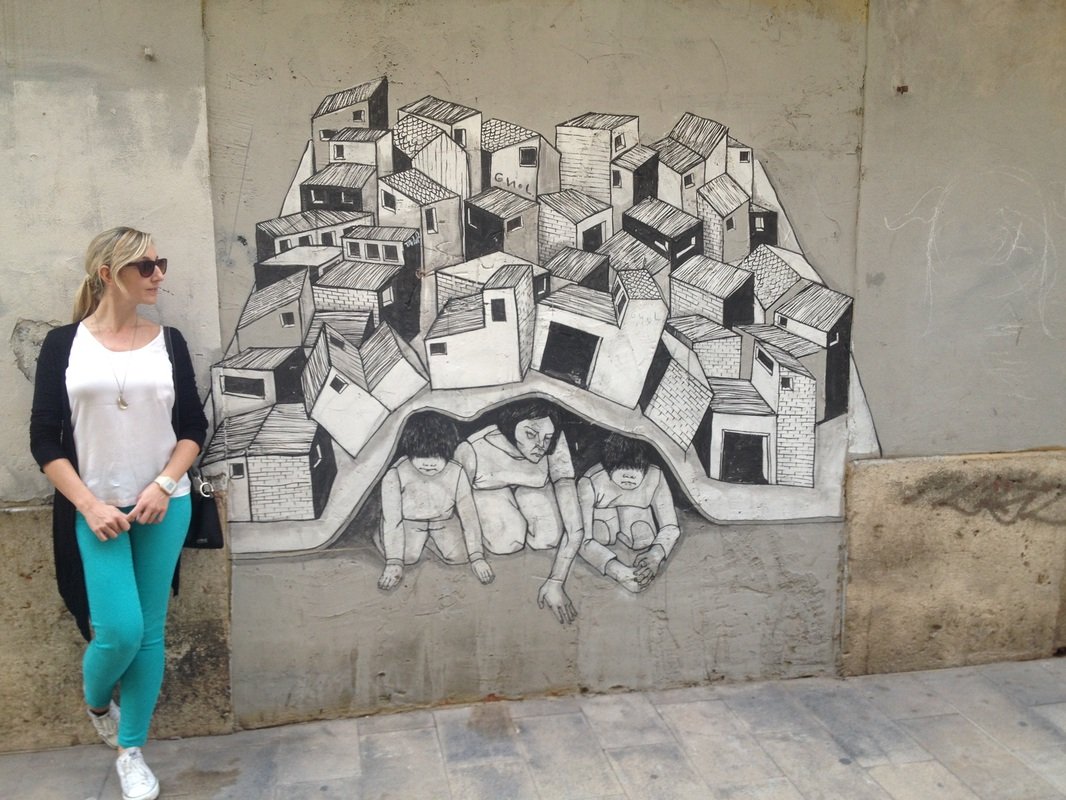
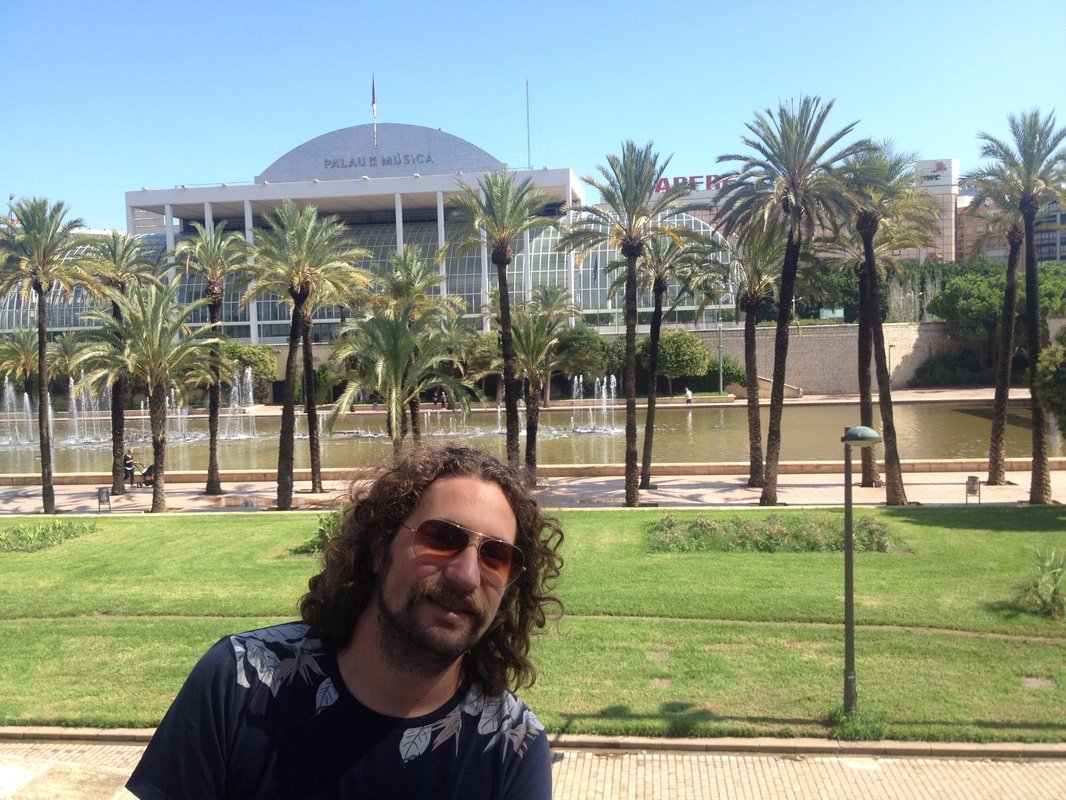
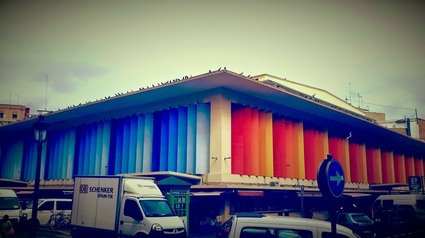
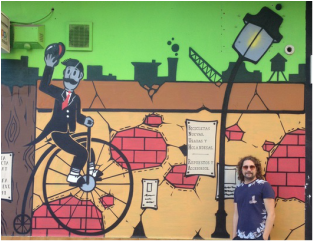
Valencia has a large and varied city centre. The historic centre and many residential districts are separated by the former bed of the River Turia. After the devastating flood of 1957, the river was diverted away from the centre, and the old channel was gradually transformed into the green Turia Gardens. You can follow this long park towards the sea and the beach. Valencia has just enough elegant European façades and French balconies without feeling overwhelming, while excellent street art appears on walls throughout the city. Its dynamic, youthful character is one of its greatest attractions.
THINGS TO DO IN VALENCIA
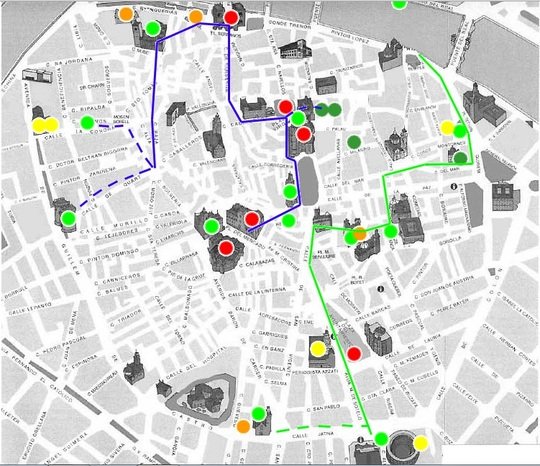
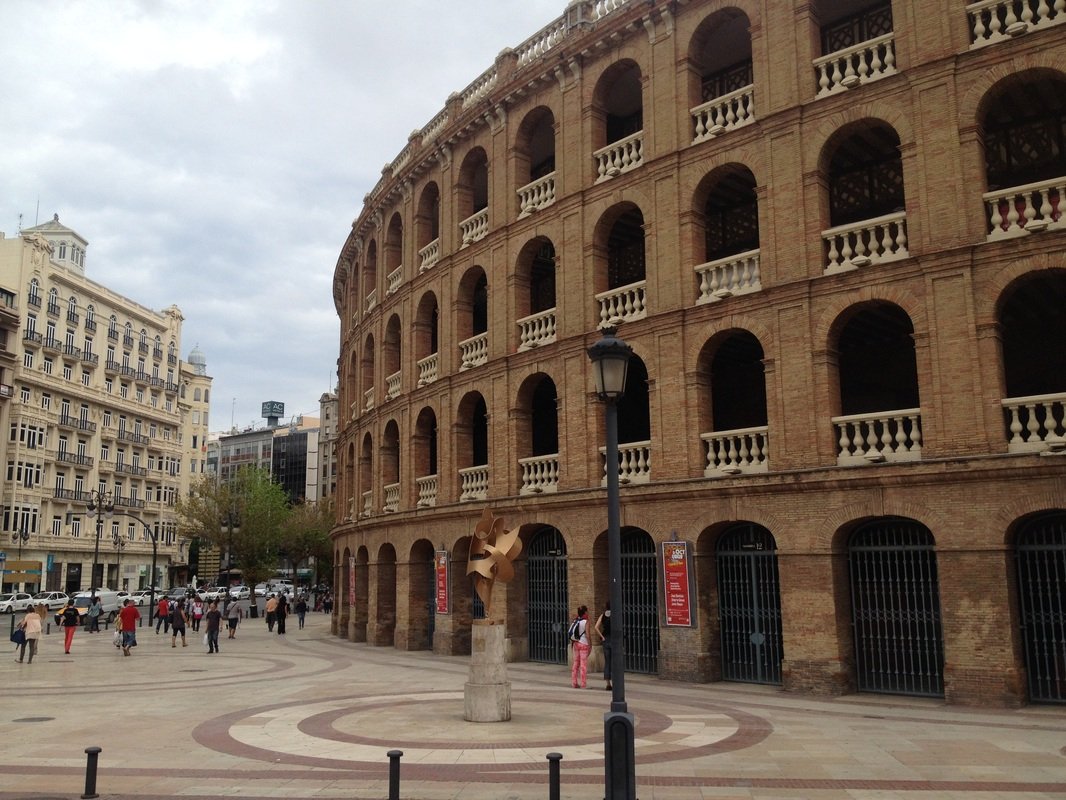
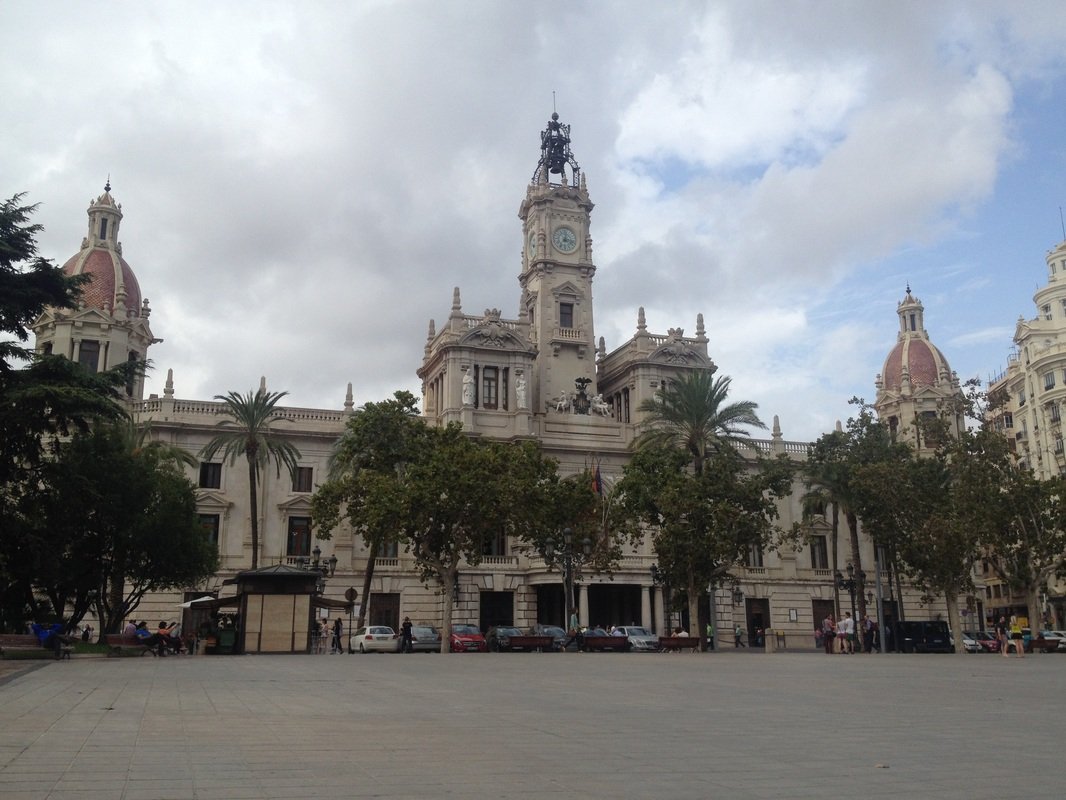
On our first day, we arrived early and began following a mixture of the blue and green routes shown above to cover the main sights. We started where the green route begins, near the bullring. Although the arena is tucked among the surrounding streets, it is an impressive building; it was empty when we visited =). Valencia’s main railway station stands directly opposite.
| 
|
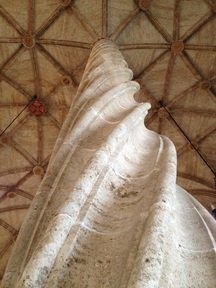
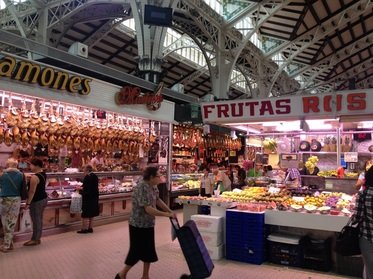
Continue along the route to Plaça de l’Ajuntament, then head towards Plaça del Mercat at the start of the blue route. This is very much the heart of Valencia. The large covered Central Market contains an extraordinary range of fruit, vegetables, tapas, seafood and snacks. I love exploring a city’s markets and supermarkets because they let you observe local products and everyday habits directly. After buying bananas and apples, we crossed to La Lonja de la Seda, Valencia’s former silk exchange and trading hall. In my opinion, it is one of the city’s essential buildings. This fifteenth-century Gothic complex is striking, with elaborate columns, a small courtyard of orange trees, a soaring main hall and decorated ceilings upstairs. The €2 student admission mentioned in our original notes was the price during our visit; check the current tariff before going.
| 
|
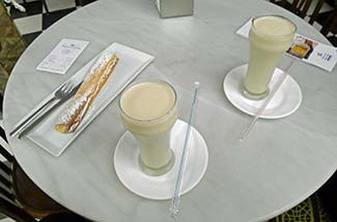
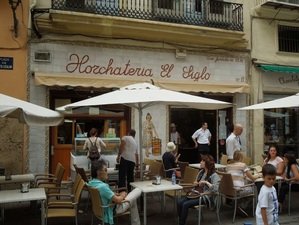
From there, continue to Plaça de la Reina and see the magnificent cathedral. We generally prefer wandering through streets to spending all day inside museums and historic buildings, so we devoted the rest of the day to getting lost and drinking coffee in cafés. We liked Le Petit Brioche for its tasty, good-value menu. Later, around lively Santa Catalina, try Valencia’s famous horchata. Valencian horchata is a refreshing drink made mainly from tiger nuts, water and sugar—not the sesame, barley and rice mixture described in our old Turkish text. I loved its distinctive flavour, although my friends disagreed. Finding a table at Horchatería del Siglo, a favourite with older local customers, can be difficult.
| 
|
Valencia is famous for paella. You can try seafood versions, but traditional paella valenciana is associated with ingredients such as rabbit, chicken and local beans. We recommend eating away from the most touristy streets, where restaurants can be expensive and disappointing. Nightlife is lively in El Carmen, especially around Carrer de Quart, where bars and cafés line the streets. Valencia also has its own cocktail, Agua de Valencia, usually made with orange juice, cava and spirits.
| 
|
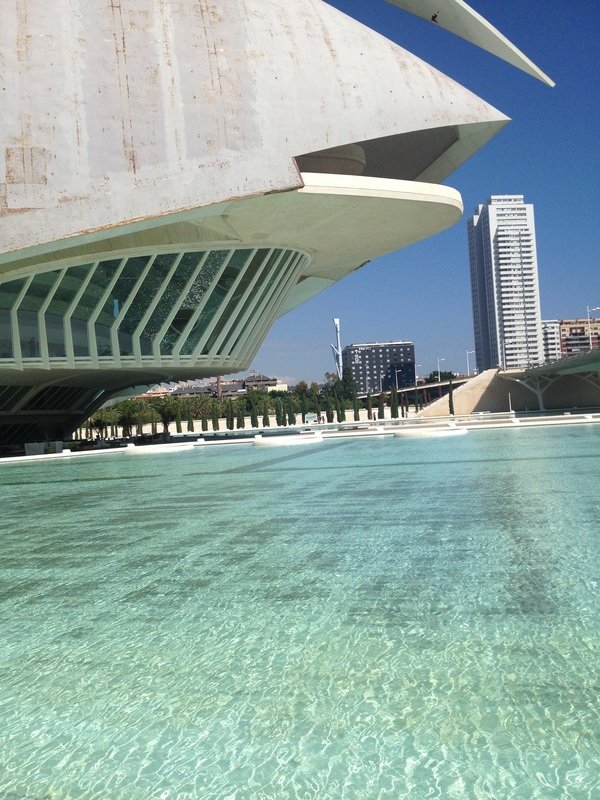
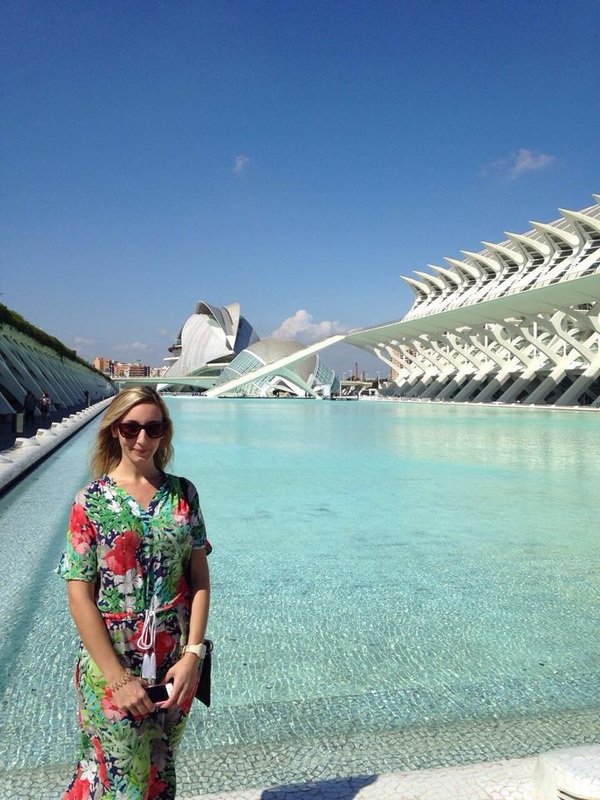
We began our second day at the City of Arts and Sciences, which feels like Calatrava’s architectural gift to his home city. To reach it, simply follow the Turia Gardens towards the sea. The complex includes a science museum, an opera and performing-arts centre, a planetarium and IMAX cinema, landscaped gardens and the Oceanogràfic aquarium. In good weather, unless you have a particular exhibition in mind, you may be perfectly happy walking around the turquoise pools and admiring the buildings from outside. Photographing the futuristic architecture makes for an excellent morning. If your time in Valencia is limited, make room for this place.
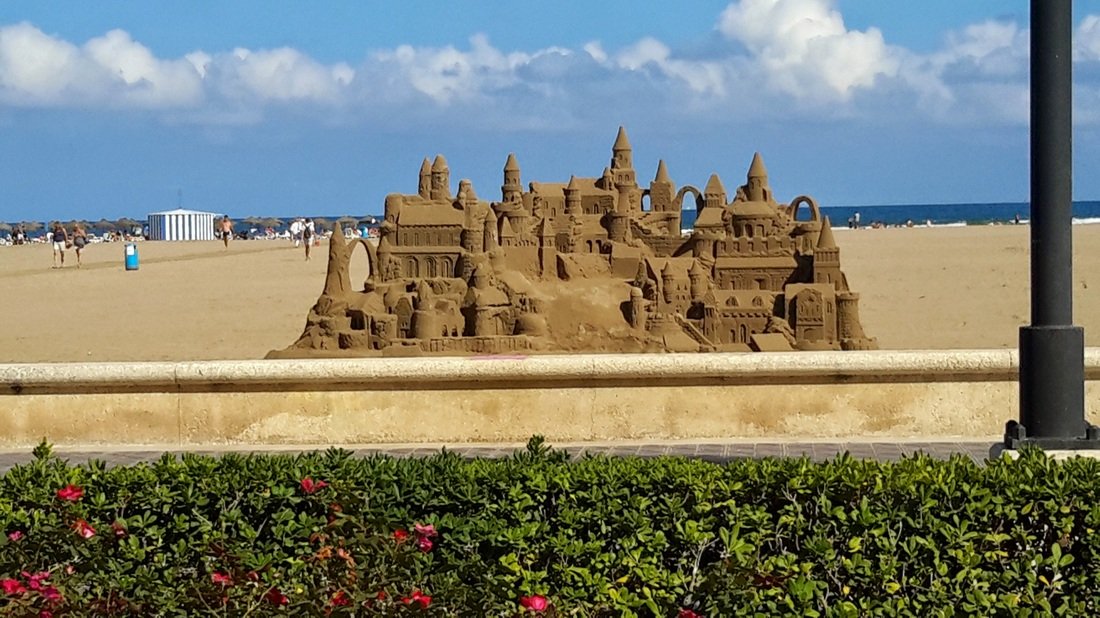
Afterwards, we headed to the coast to enjoy Valencia’s warm weather and visited Malvarrosa Beach. In a good autumn, the sea may remain warm enough for swimming well into the season, but conditions vary. Restaurants along the promenade serve seafood and drinks at sunset. The enormous beach felt colourful and cheerful yet also calm and relaxing. If you have your swimsuit, an afternoon swim is hard to beat. We had forgotten ours, so we settled for walking on the soft sand =).
| 
|
One more place deserves a mention: although it appeared in few guides at the time, Ruzafa—the neighbourhood where we stayed, close to the railway station—felt bohemian, relaxed and culturally diverse. Art studios, second-hand shops and tiny leafy cafés gave it a distinctive character. Staying there was a lovely experience. We visited during a busy period, so hotels were expensive, but we found a suitable apartment through Airbnb. For a more affordable place to stay in Valencia, you can also check Hostal Venecia.
Valencia, Spain’s third-largest municipality, is an excellent destination for a two- or three-day trip or a weekend break. Metro services connect the airport with the city centre; the journey commonly takes around 20–30 minutes depending on the station and service. It is especially pleasant while the weather is still warm =).
Valencia, Spain’s third-largest municipality, is an excellent destination for a two- or three-day trip or a weekend break. Metro services connect the airport with the city centre; the journey commonly takes around 20–30 minutes depending on the station and service. It is especially pleasant while the weather is still warm =).
If You Have Upcoming Travel Plans...
When you make a purchase by clicking our links, we get to earn a small commission but you still pay the same price. So, it's a win-win for everyone!

Book hotels via Booking.com | 
Find Cheap Flights via Skyscanner | 
Get a Travel Insurance via World Nomads | 
Make International Money Transfer via Wise |

Book Tours & Attractions via Getyourguide | 
Book a Cruise | 
Book Bus/Ferry/Train/Transfer via 12goAsia | 
Find free accommodation in exchange for petsitting |